The Free-Range Bookclub
Bookclubbers without boundaries in Nelson, New Zealand
2019 NZ Book Awards
 The past few years have been an interesting time globally as opinions around nationalism and free-speech have become hot topics.
Yet, is it new? Or is history simply repeating itself in a more raw, no-holds-barred medium? Perhaps we can look back on history and treat it not as the past but as a conductor of the future. Key times in history can surely be directly linked to both our fearless exploration of life, and also our deepest fears. What a tremendous feeding trough for the writers of today – it’s no surprise they are exploring this evolution of thought in today’s works.
This year’s Ockham shortlist for fiction is reflective of this investigation of ourselves. Whereas we remember last year’s shortlist as fresh novels full of Millennial angst and discovery, this year’s shortlist is filled with seasoned Kiwi writers with publications and life experience a plenty. And it’s interesting to see how each has won their place with a novel that explores the past and its connection to today. They ask us to look to history for explanation of our current situation and to perhaps re-examine or learn anew. Ultimately they look at how people in history were treated and how we treat one another now. What have we learned?
All This By Chance is a multi-generational saga in which descendants of Holocaust survivors find their lives shaped unwittingly by events of the past.
In the wake of 9/11, The New Ships‘ Peter Collie relives his lives and loves after his wife’s death. He and his son become involved in personal quests of their own to discover who they really are.
The Cage‘s setting could be any immigrant camp and its refugees any number of people from the past or even today who are displaced and living a life of maltreatment.
This Mortal Boy examines one of the final executions in New Zealand and the punishment’s eventual abolition, highlighting the way in which a country and its people’s morals can change.
Bearing in mind that question, what has history taught us about our treatment and mistreatment of one another, both Suzy and Rachel felt most connected to Lloyd Jones’ The Cage. While all the books detailed important moments in history and ethical treatment issues, Jones’ metaphorical prose reminded us exactly how exclusion is still rife today in so many ways, not just of refugees or immigrants, as his characters are, but of family, of strangers we don’t understand, of people with an opinion that differs from our own.
Jones’ book put us right in the middle of the conflict. It made us complicit in the way Doc and Mole were treated. Yes it disgusted us how they were kept like animals but at the same time it disgusted us to hear any more about their shit-covered living conditions. It is a book designed to provoke both good and ugly reactions from its readers. And for this reason it is not just literary fodder, it is a socially moral text too.
Suffice to say, we’re right behind Lloyd Jones for the win.
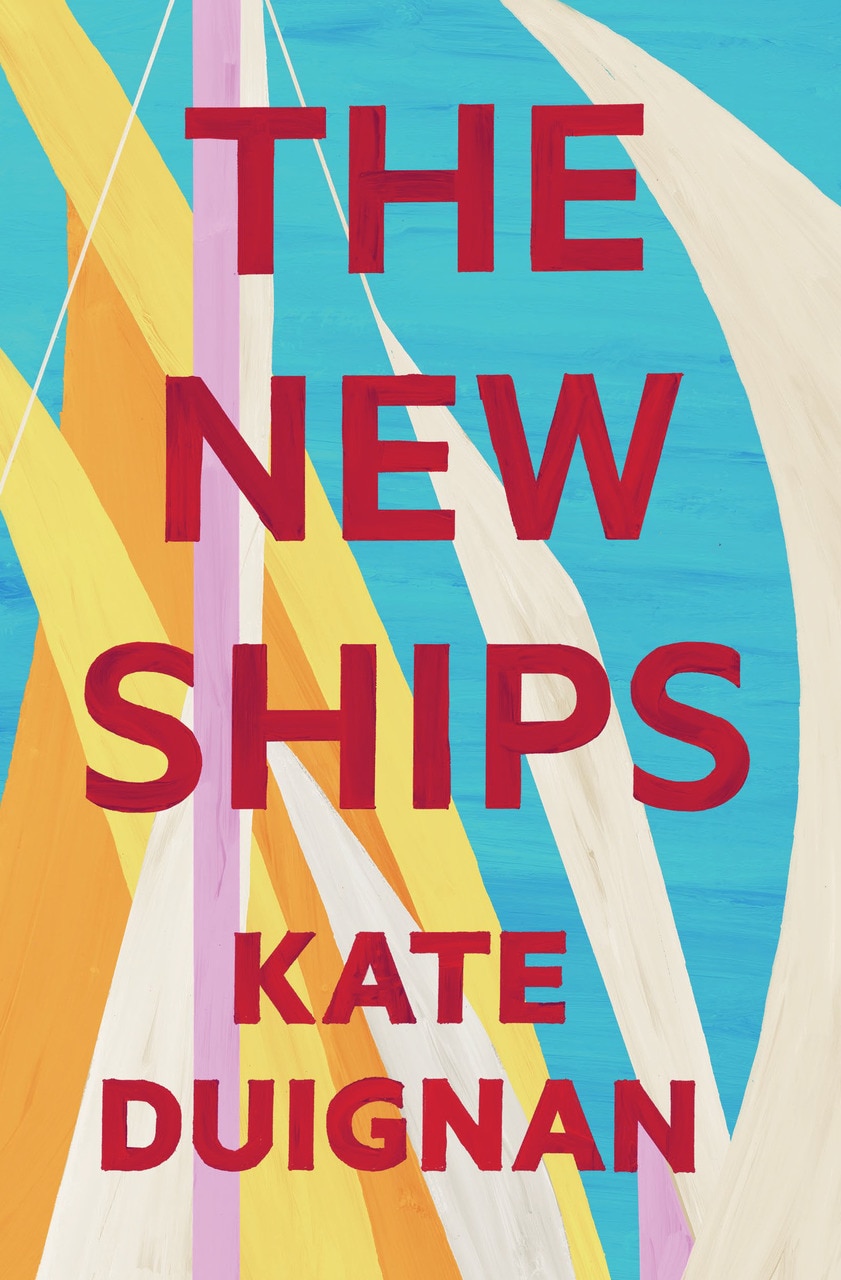
The New Ships – Kate Duignan
 READ FOR NZ BOOK AWARDS
Peter Collie reassesses past events in the wake of his wife’s death only to discover new secrets.
⚑ “Family matters are at the fore of Peter Collie’s life. Upon his wife’s death Peter learns of secrets kept about his children and he reveals his angst and desire to learn the truth.
“There is a lot of narrative investment in his passivity, and Duigan has aptly built a maelstrom of activity around this melancholic central character. The hidden depths of Peter, that exist in everyone, are eeked out over the pages in various strands of intrigue. This character study is never dull and an example of how interesting every person’s story would be, were we able to read them like a book.
“However I found the novel’s ending and the reveal of outcomes of major intrigues disappointing. Storylines I’d I’d been heavily invested in were suddenly wrapped up in only a few sentences. Surely more drawn-out, tension-filled conclusions would have been in keeping with the book’s focus on Peter’s self-analysis and grief.” – Rachel
⚑ “I haven’t experienced the pain of anyone close to me passing away so can’t imagine the intense grief and what it may or may not drive me to do. I often reflected on this while reading The New Ships because I can’t assume my response would be sane and measured and that my life would eventually carry on in its usual way.
“So while the behaviour of some of the characters in the novel was at times neither socially acceptable nor rational, I was constantly provoked into thinking how socially acceptable or rational would my own conduct be in this situation? I could quite easily lose my shit without even really thinking twice about it.
“I really enjoyed the storyline of The New Ships and while some of the events were just a bit too coincidental to be believable I was still fully invested in all the characters and their lives.” – Suzy
—–
Published 2018
Victoria University Press
362 pages
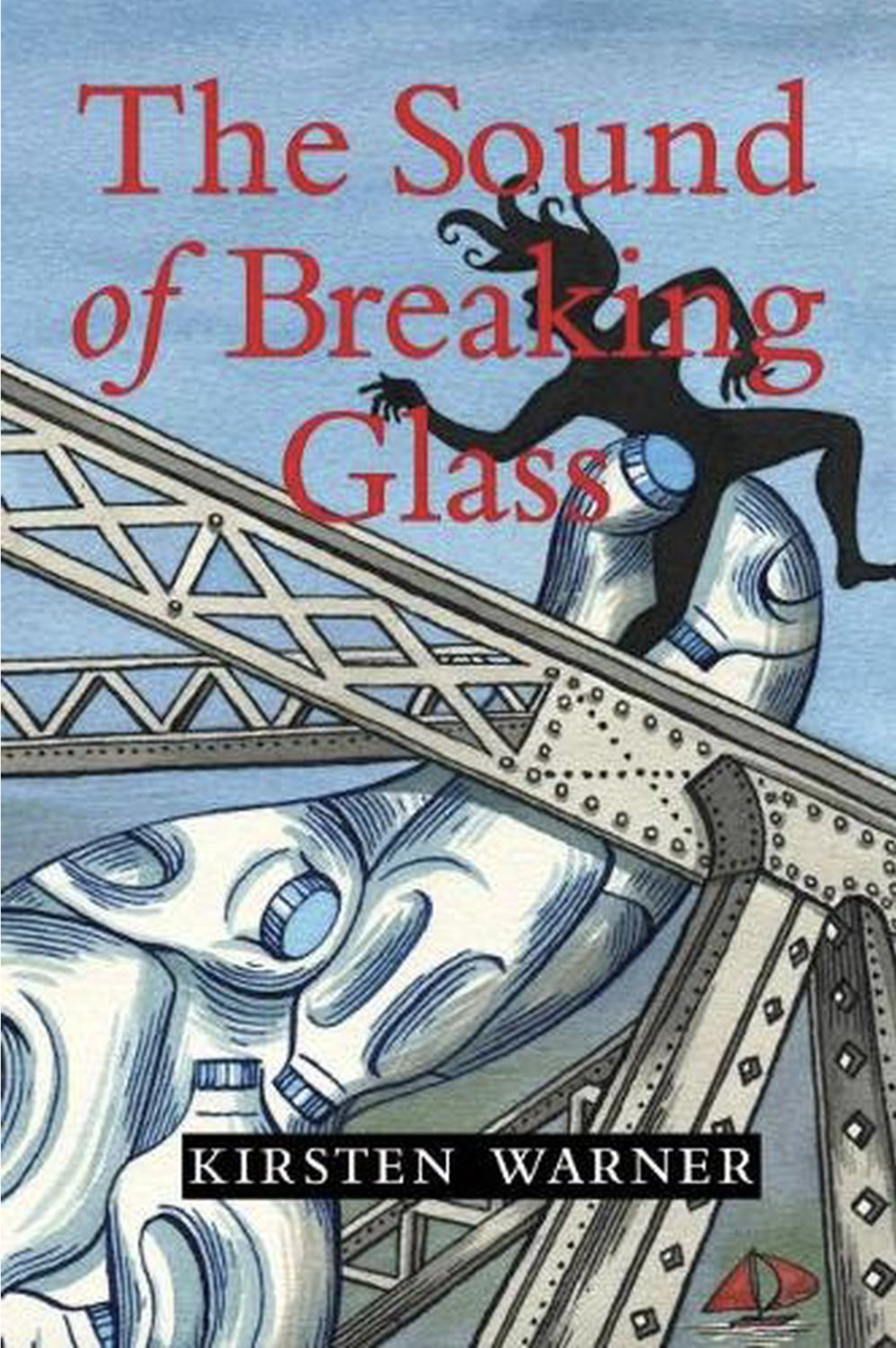
The Sound of Breaking Glass – Kirsten Warner
READ FOR NZ BOOK AWARDS
Christel has two small children, a stressful job in reality television, an activist lifestyle, a Holocaust survivor father, and now her protest milk bottle sculpture has come to life, appearing in various spots around Auckland like a giant golem.
I am driving up the Curran Street on-ramp and ahead of me Milk Bottle Man is dashing up the safety railing on the Harbour Bridge. He jumps onto the superstructure and runs up to the national flag. He is jumping from foot to foot and holding two figures in each hand – they must be the size of real people but look like toys because he is vastly inflated and up so high. Each swing of his giant arm, although it looks slow from a distance, would have enough force to dislodge the brains inside those skulls.
This is a book that succinctly combines the stresses of a modern lifestyle and a society grappling with its ecological responsibilities with the trauma of the historical past.
Plus it throws in a bit of magical realism to symbolise the madness that comes with balancing the present, the past and the future. This surreal manifestation of Christel’s stress forces her to confront her father’s haunting past as a Holocaust survivor and refugee to New Zealand. The author is herself the daughter of a Holocaust survivor and I really appreciated the honesty with which the impact of a traumatic past was revealed.
Added to this the struggles of a corporate life, shitty bosses, and the necessity to keep punching above expectations and it’s no wonder the protagonist’s protest sculpture comes to life and starts appearing all over the city and getting interviews.
I liked each of the different parts of the novel, particularly the father’s story. And I felt it was nicely balanced with the traditional and the contemporary, the past and the present, the corporate and family lives all getting quality air time. However, the book has a dense narrative and was quite a demanding read. Not one to hurry.
—–
Published 2018
Makaro Press
297 pages
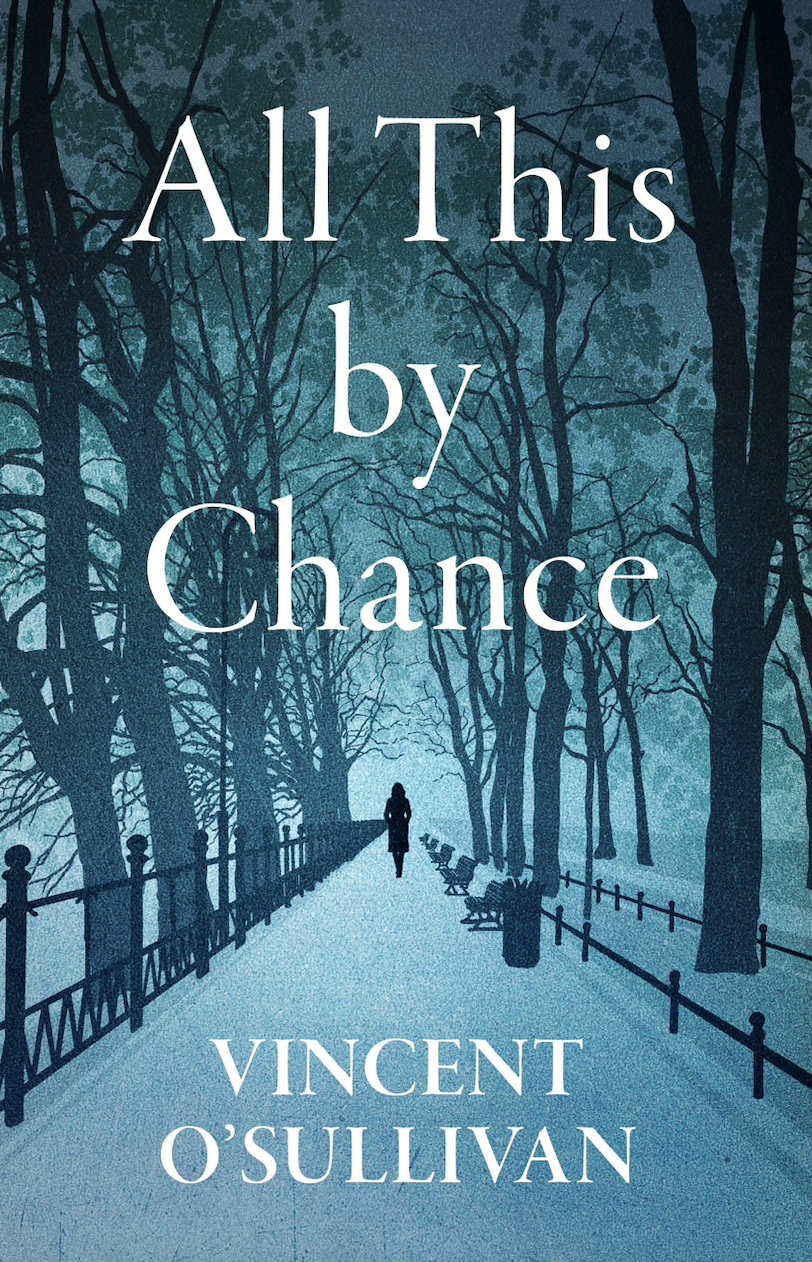
All This By Chance – Vincent O’Sullivan
 READ FOR NZ BOOK AWARDS
A moving multigenerational family saga about the legacy of the Holocaust and the burden of secrets never shared
⚑ “I was all in for I would say three-quarters of this novel but then as the characters we focused on became more and more removed from the initial storyline I found myself caring less and less about them. This is not necessarily a reflection on the novel and could instead be a reflection on my ability to remain engaged with complex storylines!
“Perhaps I should have viewed this novel as more a collection of short stories with familial links rather than an overarching story? Some of the issues the characters were facing just became tired. Yes the son is angry! He is very angry! We get it! Maybe I need a re-read of this one to fully appreciate it. All This By Chance just didn’t hit the mark for me.” – Suzy
⚑ “Mutli-generational novels tend to have a large cast of characters all of whom are important and whose lives generously intertwine. They usually require great attention on the reader’s behalf. All This By Chance is such a novel. It follows the lives of Eva, her daughter Lisa and her granddaughter Esther and their lives both in New Zealand and amongst various European borders. Sounds simple enough, however, the story does move through times and place quite freely and is quite intense.
“I’m not suggesting this is a bad thing, just perhaps not a good combo for me when speed reading under time constraints. But there definitely is a beauty and intelligence in the prose and construction that is beguiling. This makes for a book that transcends genres and is still relevant to today and the way in which the generations are at pains to truly understand one another.
“I think I need to re-read it to properly grasp the genius of this work.” – Rachel
—–
Published 2018
Victoria University Press
335 pages
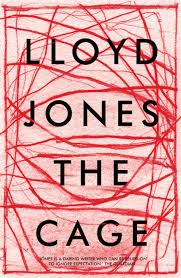
The Cage – Lloyd Jones
 READ FOR NZ BOOK AWARDS
A profound and unsettling novel about humanity and dignity and the ease with which we’re able to justify brutality.
⚑ “It’s like Lloyd Jones got in my head and seeing my worst fears was then inspired to write the most torturous novel possible. Yup I’m sure there are much worse out there, but after the first chapter I quietly put down the book and vowed not to read one more word.
“However this is the Ockhams, Rach is relying on me for a review, and curiosity eventually got the better of me. What is the cage, where is the cage from, would they ever get the hell out of the goddamn cage? These are just my specific cage-related thoughts. I worried about a lot of other things while reading this book and was obsessed with it. Was that particularly healthy? Definitely not. Am I haunted by some the images? Of course! Would I recommend this book highly? Absolutely.
“Side note – this was definitely my favourite cover of the 4 Ockham shortlisters.” – Suzy
⚑ “Strangers walk into town, stunned by some event which they cannot explain. The locals hold them in cages, fearful of the unknown and desperate for more information on the cataclysmic event. This is The Cage. It is gripping from the first page and it just gets better, ie more horrific.
“Clearly the concept is highly metaphoric. The strangers could be refugees, immigrants, children, a nation’s people; the cage could be prison, borders, psychological or class barriers, or any number of obstacles that we and the world put in our way; the “carers” could represent everyday people, parents, or government.
“Or, the book as a whole could be an exploration of our current world where everyone seems to think they have the right to control how everyone else acts and thinks. Whatever the case, there is so much to get out of this, a cautionary and highly relevant tale which should be read by everyone!” – Rachel
—–
Published 2018
Text Publishing
288 pages
This Mortal Boy – Fiona Kidman
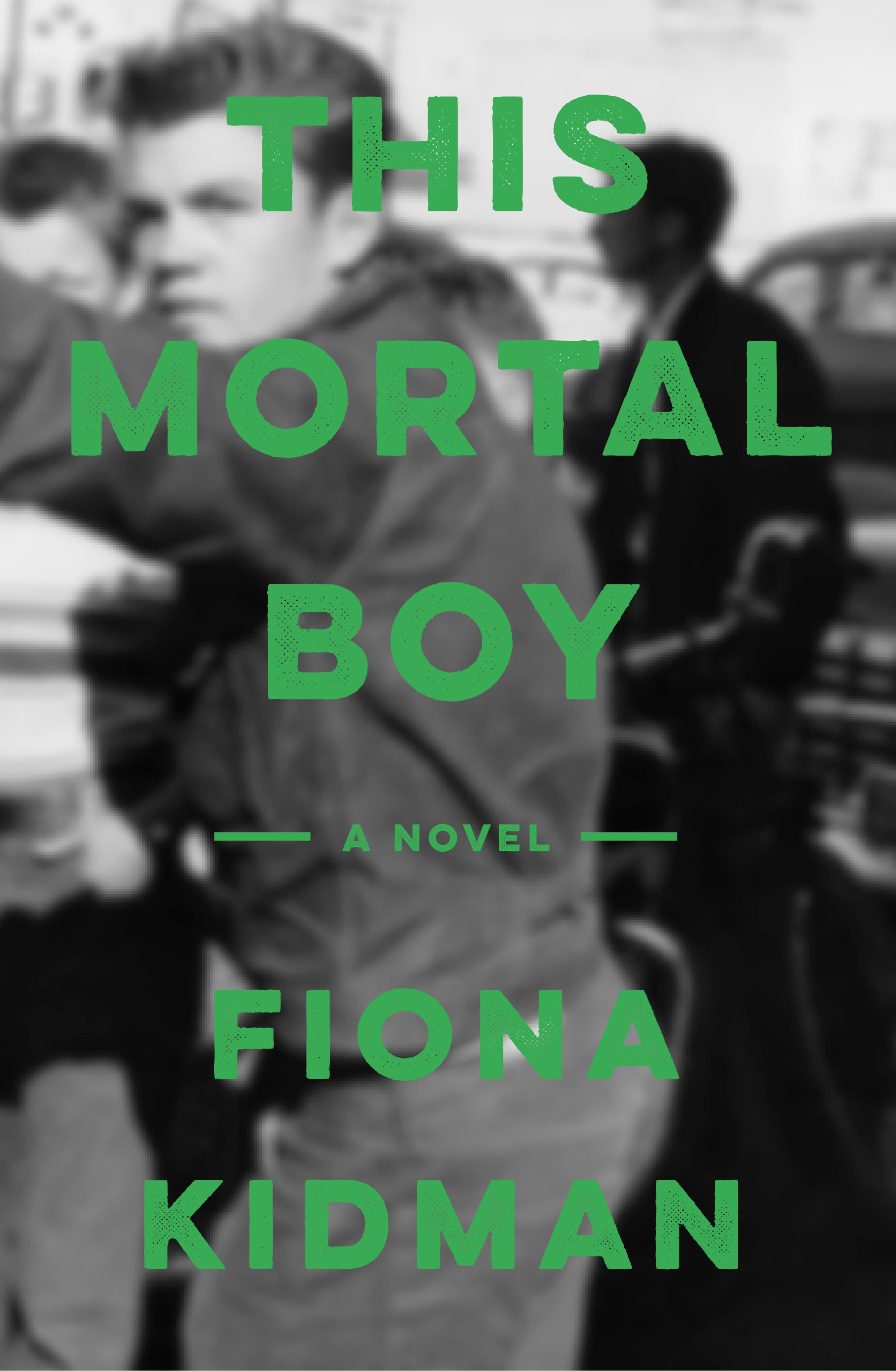 READ FOR NZ BOOK AWARDS
The re-creation of one of the last executions in New Zealand leading to the abolition of capital punishment.
⚑ “Poor Albert Black. I appreciated the way this novel explored the impact on everyone involved in his trial and sentencing – from the prison staff and the jurors to his friends and family. People responded to this entirely grim situation so differently based on their own morals and beliefs, and it is clear what the author’s own opinion of Albert’s situation was.
“I felt nauseous as we moved closer and closer to his death. Unfortunately upon reading the blurb on the back of the book we know that Albert’s fate is sealed. A clever marketing person or editor would have logically decided this information needed to be conveyed to the reader right from the start but I would have enjoyed the book more and become more invested in the characters had I not known this until it was revealed during the story. RIP Albert.” – Suzy
⚑ “Dame Fiona Kidman has investigated a part of New Zealand history with which most would not be familiar: events leading up to the abolition of capital executions in New Zealand. It follows the life and death of one man, Albert Black, an Irish immigrant, and his involvement in our past. Black’s personal story of angst is told, combined with in-depth courtroom drama.
“However, it reads more like non-fiction. It’s a step-by-step recall of a moment in time, with history’s – and the book’s – outcome clearly stated on the back cover blurb. I was interested to learn about this event and its consequences but the story does not have the roller coaster tension, nor the beauty, you expect from fiction.” – Rachel
—–
Published 2018
Penguin Random House
304 pages
The Orphan Master’s Son – Adam Johnston
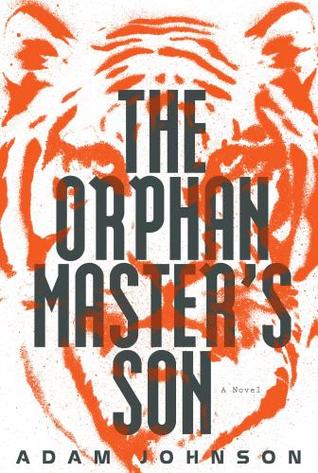 READ FOR BOOKCLUB
Chosen by Rachel
A portrait of a world hidden from view: North Korea, rife with hunger, corruption, and casual cruelty but also camaraderie, stolen moments of beauty, and love.
⚑ “The Orphan Master’s Son reminded me of Nineteen Eighty Four, but is clearly more shockingly real. Set in the author’s imagined North Korea, the Dear Leader makes an orphan of all his people through a programme of propaganda, poverty and regimented control. ”
“The main character is a man of many identities, at first an orphan master’s son, named for a martyr Jun Doh (John Doe), he is a tunneller, a spy, a kidnapper, a man who bears the tattoo of another man’s wife before finally assuming a high ranking official’s identity to challenge the state that has always challenged him.
“It has a far-fetched storyline that includes oddities like the building of a Texas ranch in the North Korean desert for the pleasure of visiting officials and naked female rowers circumnavigating the globe, but Johnston makes the depths of his mind so believable. For amongst the hilarity and satirical obscurities is a fictional world painted against a background of fact. The laugh-out-loud vs somber contemplation ratio is perfect.
“This is a book unlike anything I’d read before and I immediately fell in love with its unique perspective and began encouraging everyone I knew to read it!” – Rachel
⚑ “The Orphan Master’s Son? Oh my, what a book! For a whole bunch of tangible and intangible reasons it hit me in my gut and my heart! It also made me laugh – a curious combination of humour, horror. romance, suffering, social-cultural commentary and wit!
“Set in North Korea it follows the life of the an orphaned boy Pak Jun Do and a character he later assumes, Commander Ga, in North Korea. It gives us a fictional, yet based on some truth, account of life in the Country under the dictatorship of Kim Jong Il.
“What struck me most was how bleak and terrible North Korea is painted, which if only 50% true is fascinating and horrifying at the same time. Torture, prison camps, extreme social control, propaganda, hunger and loss of the self. Within all of this, a love story with a moving yet brilliant ending, a highly recommended read.” – Sonya
⚑ “Adam Johnson’s The Orphan Master’s Son is a compelling story set in North Korea which is as beautiful as much as it’s harrowing. I was instantly intrigued and captivated as it opened a window into the frightening and mysterious world of North Korea.
—–
Published 2012
Penguin Random House
443 pages
A Clockwork Orange – Anthony Burgess
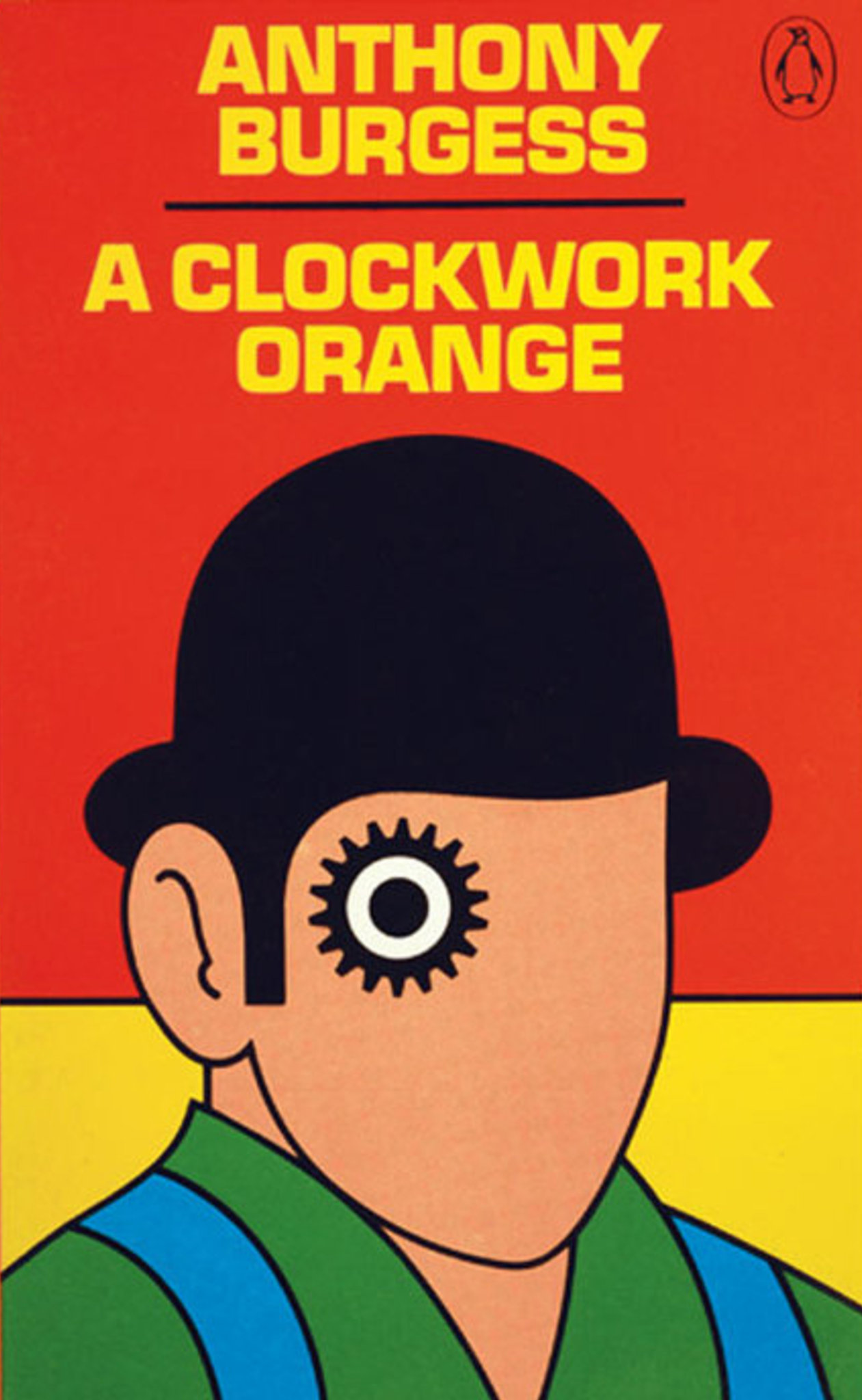 READ FOR BOOKCLUB
Chosen by Becks
Amongst a backdrop of dystopian violence is a story about good and evil and the right to human freedom.
⚑ “I was left a wee bit traumatised after reading A Clockwork Orange in 6th Form English and so was nervous about a re-read. However, it was certainly not as baddiwad as I recalled, and in fact, this time I found it both hilarious, in a perverse satirical way, and philosophical. The violence may have been the shocking memory of my teenage read, but as a more widely read person, I now appreciate the juxtaposition of violence vs farcicality and the social themes of free-thought vs state control. Plus I now viddy how the dystopian Nadsat language helped offset the horror of the violence.
“For example Alex and his droogs may have been attempting to drat and have the old in-out with a soomka in her own domy but the comical moment where the koshka attack and he ends up punching one of them in the litso made me guff. And when the Ludivco brainwashing technique begins, this is where the real raskazz begins and where philosophical arguments are piqued: what are the rights of citizens both decent and immoral, and when is it okay for the state to interfere with the individuality of its citizens for the greater good?
“This expression of individualism, written in the 60s when such a topic was hot, ensured this shocking story was to become a timeless and forever relevant read that makes no appypolly loggy for its content. I now understand why this horrorshow book was once considered required College reading.” – Rachel
⚑ “Oh my, what a book! I would describe reading it as ‘a crazy, unsettling ride’. As so much has been written of it and about it, I’m confining my thoughts to the two most striking things about it for me, the impressions, the ‘learning’, if you like …
“Firstly, the lingo, the youth slang. So clever, helping elevate the book to a level it might not otherwise have done. Yes, difficult to read, but like learning a foreign language I found I quickly began to get the hang of it, even though I didn’t necessarily understand every single word. I think it helped to build depth into the narrator and give the story an otherworldly quality.
“The second thing I find most memorable, was the ending. Oh how I felt let down by the ending! Such fizzer to what otherwise would be a powerful piece! That said, perhaps it is from this that I go back for a second read, perhaps to better understand what the author was trying to say beyond entertainment and impact?” – Sonya
—–
Published 1963
William Heinemann
192 pages
The Book Thief – Markus Zusak
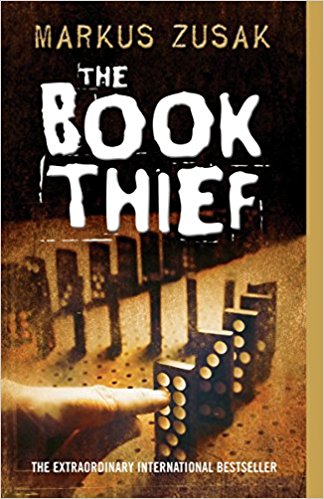 READ FOR BOOKCLUB
Chosen by Sonya
In 1939 Nazi Germany a young girl with a foster family begins collecting found books and attempting to understand her new reality.
⚑ “The Book Thief was my book choice and I was glad for it, an easy yet enjoyable and thought provoking, emotional read. Written with Death as the narrator, and providing a story line from the perspective of a German child during the second World War, gave it a less common war story. It was instantly intriguing. I especially loved the characterisation of all of the players. So clever, so gentle and compelling, Leisal (our Heroine), Hans (her wonderful foster Father), Rosa (her outwardly hard yet wonderful foster Mother), Max (the Jewish man in hiding), Rudy (her friend and first ‘love’) … And through all of them and the horror of events that played out, it was a strangely hopeful message of the ugliness and beauty that came in the war and which is the human condition. It is a book I will recommend to my kids when they are older, and to anyone seeking to read something with great substance without heavy labour.” – Sonya
⚑ “The Book Thief is a war story written for older children and young adults. As such it hits the mark, introducing the intensity of war themes while also investigating the human condition that resulted in the survival of war children. The themes and war detail approach the precipice of morbid intrigue but do hold back so as to remain censured and not to overtly shock or offend. But there is certainly enough to grip readers without treating them with kid gloves. There were obvious literary devices, Death as the narrator, a comic drawn on the pages of Mein Kampf, combined with deep characterisation to keep up the intrigue. While it is a book that can be enjoyed by all ages, I think the sometimes slow pace and many pages of the novel may put off some younger readers.” – Rachel
——
Published 2006
Alfred A Knopf
552 pages
2019 – The Journey
 Reading incites many pleasures, including the opportunity to experience something outside your own knowledge and comfort zone. It is journeying to understand the world.
In 2019 it appears we have selected books that map unchartered topics: dystopian themes, satirical commentaries and plenty of US fiction, the latter of which we all confess to being less versed in.
But we are prepared to take the journey. Into the less understood, and the unparalleled. We’re along for the ride, as passive observers. Are we in need of escape, or searching for understanding in the corners of possibility? By the end of the year will we be as outspoken as the characters we’ve who filled our 12 months?
Whatever the case, we recognise that these books will provide insight into mindsets that not only abound now, but which have built the foundations on which modern day morals have come to see as the truth or at least the way forward.
Yes, forward. The only way to start a journey.
2019 Schedule
The Book Thief – Markus Zusak
A Clockwork Orange – Anthony Burgess
The Orphan Master’s Son – Adam Johnston
Disgrace – J M Coetzee
Sing Unburied Sing – Jesmyn Ward
The Immortalists – Chloe Benjamin
Less – Andrew Sean Greer
La Rose – Louise Erdrich
Dogside Story – Patricia Grace

We're
currently
reading


Recent Comments