The Free-Range Bookclub
Bookclubbers without boundaries in Nelson, New Zealand
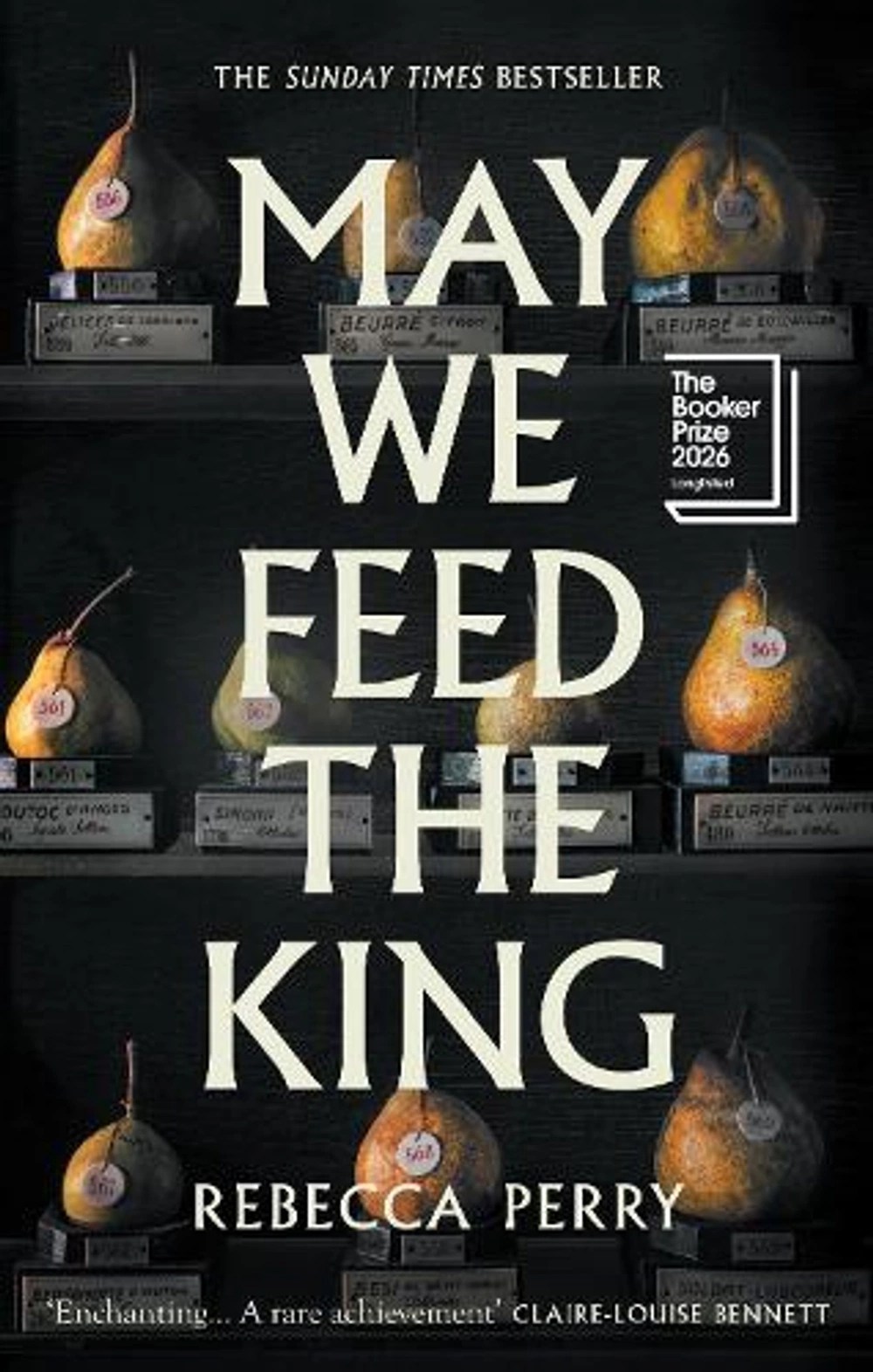
May We Feed The King – Rebecca Perry
READ FOR BOOKERTHON
A museum curator becomes increasingly absorbed in the life of a medieval king, a reluctant ruler whose unexpected ascent to the throne is followed by court intrigue and questions about his suitability to reign. Moving between the curator’s present and her imagined reconstruction of the king’s past, the novel explores the interpretation of historical records, the nature of power and the relationship between history and storytelling.
People can bear shock, and tragedy, and all manner of scandal, but this nothingness drives them mad.
RACHEL
● May We Feed The King opens by introducing a museum curator who stages exhibitions and is focused on the minute details that form a reliable representation of history. The second important character is a figure of her imagination, a king of old who is very unkingly and whose relationships with his wife, attendant and family members are unusual and not what you’d expect to discover in history books.
The purpose of the book is to question how much we can believe of historical records. Perry describes her book not as historical fiction but as fiction about history. And yes, this book is historically interesting and structured with poetic lyricism but there is little in the way of plot or climax. Instead Perry gives us the bare minimum of structure and leaves us to imagine what might fill in the gaps.
Unfortunately the final section didn’t afford the reader the same grace, with the curator overexplaining to a fictitious audience (and to us) about how histories are constructed and why we should be cautious about them.
SUZY
● May We Feed the King had a gentle pace and provided a glimpse into the machinations of palace life, although the reader is not privy to any relevant information regarding time or place.
The sense of wondering on my part about these details was partly resolved at the end when we get a clearer sense of what the author was trying to achieve, but unfortunately it was done in quite a blunt way that was at odds with the preceding story.
Although it helped me understand the book a little better, I wonder whether it could have been done in a more nuanced way.
Published 2026
Granta Books
263 pages

We're
currently
reading


Recent Comments