The Free-Range Bookclub
Bookclubbers without boundaries in Nelson, New Zealand
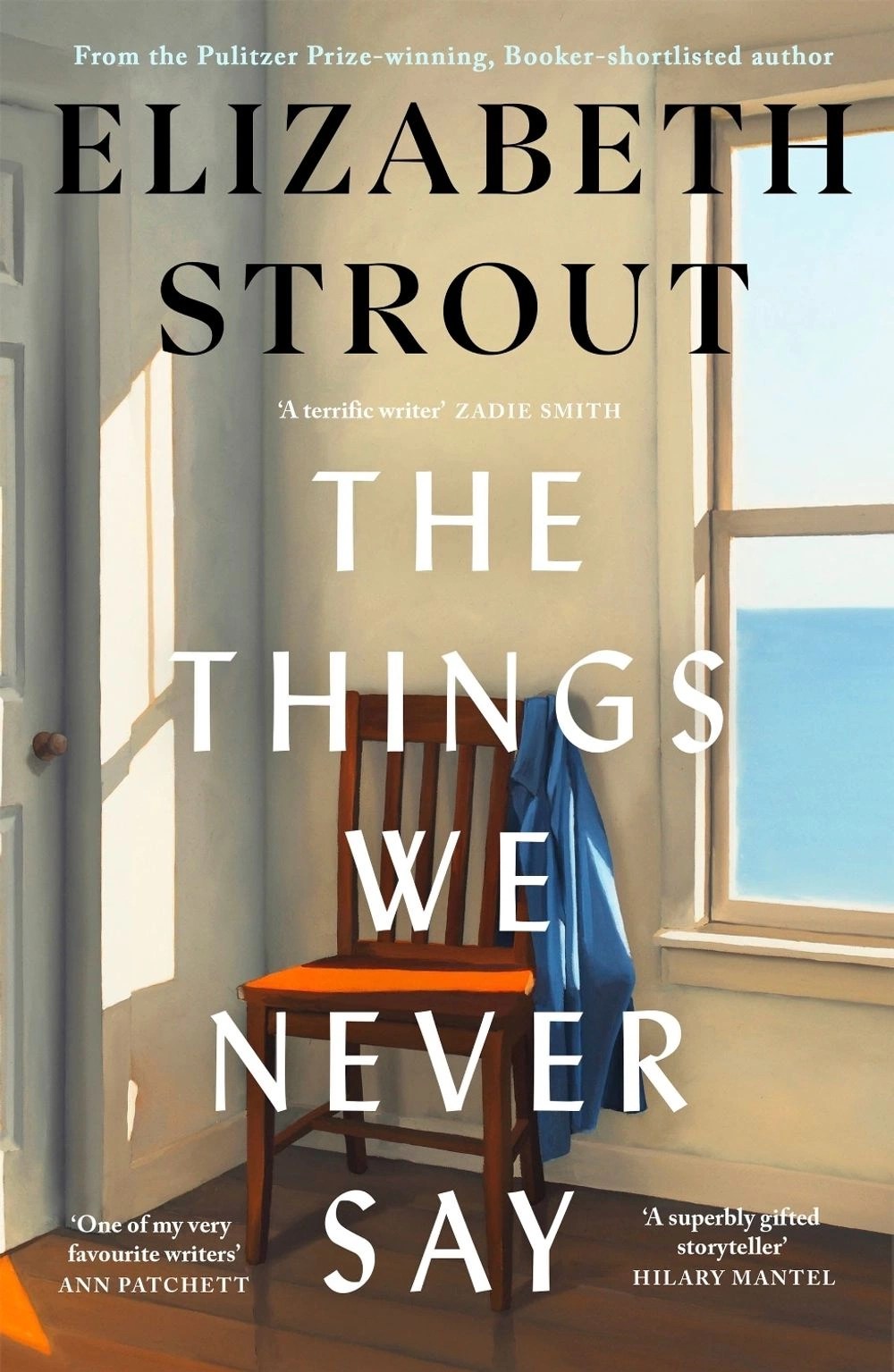
The Things We Never Say – Elizabeth Strout
READ FOR BOOKERTHON
Artie Dam is a 57-year-old history teacher whose seemingly comfortable life is plagued by a troubled mind and an emerging family secret. Written in Strout’s understated, character-driven style, the novel explores marriage, parenthood, loneliness and the things people leave unspoken, against the backdrop of political division in contemporary America.
He had said something like, “why don’t people ever say anything real?” And now he knew why. Because to say anything real was to say things that nobody wanted to know. Or if they wanted to know, they would not care in the right way. Or even understand. It was a private thing to be alive. He understood this now.
SUZY
● I find Elizabeth Strout’s books very same-y and The Things We Never Say was no exception. My frustration about the similarities with her stories didn’t stop me from being drawn into this one, but I felt weirdly resentful about it.
One of the main issues I had was that it felt like we were meant to think the main character was a great person, but there really was no particularly compelling reason to think this as he presented as a very average man. Unfortunately, in the patriarchal society we live it it’s not unusual for very average men to be upheld as special creatures but I’m pretty disinterested in spending my leisure time reading about them.
RACHEL
● Here is my summation of this book: America is in a dire state and we should all just be nice to one another. This is true of course, and I’m sure these sentiments will resonate with many Americans. But Strout has delivered her concerns in such a simplistic way that everything is clearly spelled out with no room for reader involvement. Artie considers suicide, then we are told: “America is committing suicide”. Artie, whose surname is eyerollingly Dam, is like a giant metaphor for life in the United States, and he is so laden with thematic burdens that he is unrealistic, though I’m sure Strout intended for us to love him.
The Things We Never Say feels more like a vehicle for Strout’s personal concerns than a novel. It is idealistic and moralistic (“nobody is superior to anyone else in this world”), and never does more than scratch the surface of many, many topics (pandemic, Trump, depression, suicide, masculinity, mental health, free will, civil war, Gaza, WWII, social media, AI, fat-shaming, homophobia, antisemitism …) I could list more but the point I’m making is that Strout stuffs too many topics into a short amount of space without offering real insight into any of them.
I did read to the end but wasn’t invested in the outcome, didn’t learn anything and wasn’t encouraged to expand my thinking, which is ultimately what I want from a book shortlisted for the Booker Prize.
Published 2026
Random House
224 pages

We're
currently
reading


Recent Comments