The Free-Range Bookclub
Bookclubbers without boundaries in Nelson, New Zealand
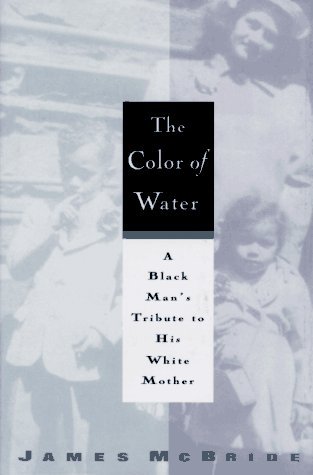
The Colour Of Water – James McBride
 READ FOR BOOKCLUB
Chosen by Sonya
The memoir of a white woman written by her black son. The book details Ruth’s difficult childhood but her ability to turn things around for her own children.
❍ “The Colour of Water was a great read, and I was moved by James’ account of his childhood and his mother’s life. Ruth was indeed an incredible woman! I doubt I would have the strength and tenacity to overcome the challenges she faced. I was most fascinated by the Jewish-Christian threads in the story, and in the way Ruth navigated the apparent chaos to succeed in raising 12 well-educated, multi-racial children. Kind of mind-blowing actually. Humbling.” – Sonya
❍ “I loved The Colour of Water for being so heart-achingly vivid, and for the way the memoir was so eloquently structured as if memories and recollections were bubbling up.” – Sophia
I asked her if I was black or white. She replied “You are a human being. Educate yourself or you’ll be a nobody!
❍ “A moving tribute from a son to his mother. The pieces of James memories come together to give an often heart-breaking account of his mother’s life as well as his grandmother’s. I was left wanting to know more but the nature of an autobiography is that there will be gaps – this adds to the book’s appeal for me though. Ruth is an amazing woman and I thought this was a great story which had me fully immersed. I haven’t read a book this quickly for years! Thoroughly enjoyable.” – Jo
❍ “Ruth was an amazing women, who was willing to sacrifice everything for her husband and her 12 children. It’s easy to see why her son considered her worthy of a memoir. A touching story.” – Rachel
—–
Published 1995
Bloomsbury
320 pages
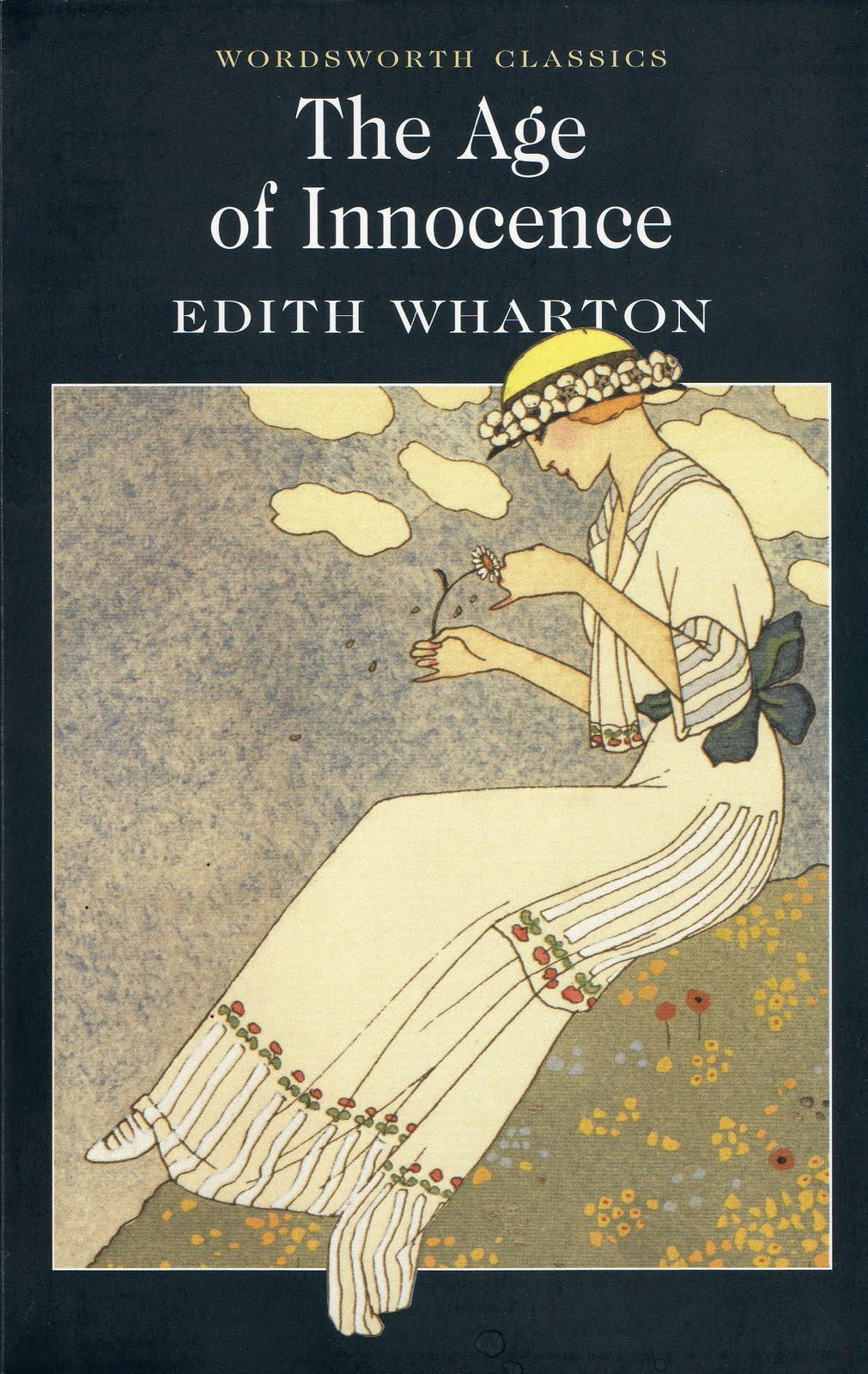
The Age Of Innocence – Edith Wharton
 READ FOR BOOKCLUB
Chosen by Jo
An upper-class couple’s marriage is threatened by the arrival of the bride’s cousin. The Age Of Innocence won the Pulitzer Prize in 1921 making Edith Wharton the first woman to receive the prize.
❍ “The Age Of Innocence was a dense slow read – there are many references I didn’t understand. They were explained at the back of the book, but I find constantly flipping to the back laborious and a stilted way to read. However, I did enjoy the story. It has a tragic love story at its core with the friction of New York’s societies’ ideals being challenged for Newland Archer and other characters by Ellen Olenska. The way Wharton mocks these ideals is darkly humourous, her writing is beautifully precise and this book is thick with quotable quotes, e.g. (Society people) “dreaded scandal more than disease”, and from Ellen “the real loneliness is living among all these kind people who only ask one to pretend” – keeping me smiling throughout. The characters are cleverly portrayed with profound details emerging near the fabulous ending. It is easy to see why this book rates so highly with many people. Definitely one of the greats.” – Jo
I want – I want somehow to get away with you into a world where words like that -categories like that- won’t exist. Where we shall be simply two human beings who love each other, who are the whole of life to each other; and nothing else on earth will matter.
❍ “An interesting commentary on high society in New York around the turn of the century, about a man’s hopeless love affair with a beautiful women and the life he isn’t brave enough to have. A beautifully written book that felt very slow to me at times, that is possibly to be expected with this type of novel and it maybe is a good reflection of how it felt to live within the social constraints of ‘Old New York’ at the time.” – Becks
❍ “An evenly paced book which is thick with detail and analysis, as, it seems, Manhattan society was pre-war. The pretence of innocence is spread among the characters, and I enjoyed discovering who was innocent and who was covertly in control behind their angelic facade. A book of social tragedy where sympathy is elicited for all the characters, all of whom have the best intentions even if they do succumb to temptation occasionally!” – Rachel
—–
Published 1920
D Appleton & Co
293 pages
Sophie’s World – Jostein Gaarder
 READ FOR BOOKCLUB
Chosen by Rachel
After Sophie Amundsen finds a note in her letterbox asking ‘who are you?’ and ‘where does the world come from?’ she becomes embroiled in a philosophical riddle about existence. A fictional book which manages to summarise two thousand years of philosophical history.
❍ “This is a book that requires attention, but provides great pay offs. An excellent introduction to philosophical beliefs through the ages which you could investigate further if you were so inclined. Despite being simply written, Gaarder has produced such real life characters that I was surprised and emotionally affected to discover the truth about their existence. A novel that mixes up the roles of reader/writer, teacher/student and creator/being and had me pondering my own existence. Probably one of the most thought-provoking novels I’ve come across, although in the end I had to agree: I know nothing.” – Rachel
❍ “I loved Sophie’s World for where it led me in thinking about philosophy and religion. Raised as a Catholic, I think it was especially interesting and thought provoking. And with regards to the fictional storyline, I was gripped by the mystery of unusual events. I loved where Jostien took me emotionally and imaginatively. It was witty and playful. My only regret was that in reading it under pressure I felt I did not give it enough time! It is not a book to be rushed, or read with a cluttered mind. I plan to re-read it one day soon, when I can absorb and reflect on it in a more mindful way.” – Sonya
❍ “This is a book to savour and unfortunately I didn’t! It provides a wonderful history of philosophy which does at times feel like you are back in school being lectured. The explanations on various philosophers’ theories, the culture of the time and the interplay between Sophies’s World’s characters is complex – I felt like I needed to do some further research to fully understand at numerous points throughout. This book is clever with a book within a book within a book … but the ridiculousness of Sophie’s later life left me a touch annoyed. I think I would have relished the big questions if I read this much earlier in my life … but now I know I know nothing (Socrates would agree!)” – Jo
—–
Published 1991
Farrar, Straus and Giroux
544 pages
The Harp In The South – Ruth Park
 READ FOR BOOKCLUB
Chosen by Sophia
The portrayal of an Irish-Australian family living in the slums of Surrey Hills in the ’40s. Ruth Park is a New Zealand-born Australian.
❍ “The Harp of The South was a bit of an average read for me. It did make me think, and I did feel connected to the characters. I was at time moved by ideas about being poor and the day-to-day struggles this meant. I smelled the odour of poverty, of stale cooking smells, slowly rotting wallpaper, and stale sweat. I felt with the characters their disappointment, frustration and struggles. But I also saw in them snippets of hope and optimism, and their experience of joy and beauty albeit rare. Their love for each other was evident throughout their struggles, and in this way it was not a depressing book. However, I did struggle to get through it! I felt the absence of an overall plot, or building of tension meant I wasn’t drawn into reading it. The little anecdotes of life events were short and choppy, and at times I felt annoyed by this. Overall, I felt a little underwhelmed, and it probably wouldn’t be on my list of recommended reads.” – Sonya
❍ “While I enjoyed this novel I found that the numerous peaks and troughs of the story were not explored fully and many times did not lead on with further expected development. So when various seemingly meaty story lines went nowhere it was somewhat disappointing. I loved the distinct and feisty characters and the themes of poverty, lack of hope and unconditional love made for a compelling mix. When the dread of potential disaster did not materialise with Roie’s love story and there was an overly sentimental dip in the story I’m afraid my enthusiasm hit a low. I still enjoyed the story and found it an easy read but I have to say it was not one of my favourites.” – Jo
❍ “A nostalgic and moving story which encapsulates a moment of Australian history. True-to-life characters and detailed imagery provided me with plenty of incentive to read on, despite the lack of an obvious tension-filled plot. The poverty is spelled out in many ways yet it is easy to not pity the Darcys, who, despite their faults, are a close and loving family. I wasn’t enamoured with the ending and regarded it more as a precursor for the sequel.” – Rachel
—–
Published 1948
Penguin Books
360 pages
The Train – Georges Simenon
 READ FOR BOOKCLUB
Chosen by Becks
On May 10, 1940, as Nazi tanks approach, Marcel Feron abandons his home and, separated from his wife, joins a freight car of refugees hurtling southward ahead of the pursuing invaders.
❍”Marcel, a timid, happy man must abandon his home and confront the fate he has been secretly awaiting for years. A poignant, believable love affair that deals with an aspect of war we don’t often hear about. An interesting and troubling insight into human behaviour in the face of a traumatic experience, and the bonds that we create with individuals out of the instinctual need to grasp at life. An easy read that was deeply thought provoking and hard to put down.” – Becks
❍”Georges Simenon created a story that I fell straight into, I could imagine the scene or situation vividly and felt an understanding for most of the characters. It took some time to understand the main character, Marcel, and his dissociation from his regular life. The tension of potential danger physically, mentally and emotionally is expertly created. A wonderful story of a normal, vulnerable man stepping outside of his life comforts and enjoying all that ‘fate’ has to offer.” – Jo
❍”I read this book over one night – it is truly unputdownable. Marcel’s momentary detachment to the real world and acceptance of (almost dependance on) fate makes for a fascinating character study. The paired-back writing style creates an appropriate war-setting atmosphere, yet reveals so much in a minimum of words. I can’t stop thinking about this book.” – Rachel
Published in French 1961
Translated into English by Robert Baldick 2011
Melville House
144 pages
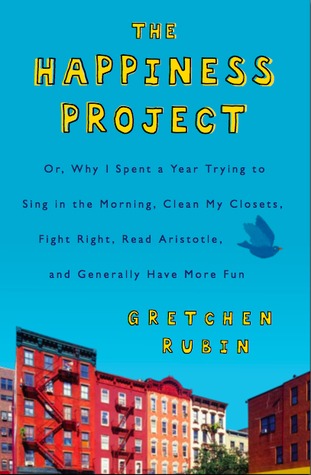
The Happiness Project – Gretchen Rubin
 READ FOR BOOKCLUB
Chosen by Sonya
A non-fiction book detailing the year the New York author spent dedicated to becoming happier.
❍ “I used to have a (slightly embarrassing!) soft spot for ‘self help’ and personal development type books! So The Happiness Project appealed to me. I was drawn in by ideas about what makes us happy, the philosophy and thinking behind bringing more joy to our daily lives. And so I read it from this viewpoint, less affected than others by questions around the author’s authenticity. In this way I did enjoy aspects of it, and I found myself making small positive adjustments to little things I do. However, I lost interest towards the end. Perhaps, like others, it felt somewhat contrived and I lost the initial connection I felt for the author.” – Sonya
❍ “Gretchen Rubin is an admirable woman; her ability to achieve her targets set during ‘the happiness project’ year of her life is astounding. However the sheer number of goals set for each month during the book is overwhelming and perhaps the reason for a superficial examination of each task rather than a longed for depth of analysis with a greater emotional content. I was left feeling unable to relate to her as it lacked legitimacy for me – why would a happy person commit to completing a happiness project? How on earth did she do what she said she did with a young family? Although her goals or resolutions had merit the book generally seemed like an opportunity to grandstand to me and ultimately was a disappointing read.” – Jo
❍ “I wondered how much of this book was fiction, ie a ‘self-help’ book written for a niche market, as it all seemed a bit unrealistic and quite narcissistic. There were a few ideas I picked up on for maximising time in a busy day, but ultimately this was neither a believable self-help book nor reputable fiction. I fail to see where it lies in the market.” – Rachel
—–
Published 2010
Harper Collins
320 pages
Ethan Frome – Edith Wharton
 READ FOR BOOKCLUB
Chosen by Jo
Through the eyes of a visitor, the reader observes Ethan Frome falling in love with his wife’s niece while stuck on a desolate farm in a harsh setting.
The niece is Mattie Silver. She arrives in the mountain village of Starkfield to help with housekeeping for her cousin Zeena, the sickly, cantankerous wife of Ethan. Ethan has long been resigned to caring for his ailing wife but is drawn to Mattie’s youthful beauty and energy. As the story progresses, Ethan’s vitality and hopes are refocused but a little bit obsessive.
The books talks of loneliness, frustration and moral responsibility in an economical and unsentimental style to represent the frigidity of the Massachusetts winter.
He seemed a part of the mute melancholy landscape, an incarnation of it’s frozen woe, with all that was warm and sentient in him fast bound below the surface; but there was nothing nothing unfriendly in his silence. I simply felt that he lived in a depth of moral isolation too remote for casual access, and I had the sense that his loneliness was not merely the result of his personal plight, tragic as I guessed that to be, but had in it, as Harmon Gow had hinted, the profound accumulated cold of many Starkfield winters.
❍ “Thwarted dreams, transformation and confinement are some of the themes that run through this tragic love story. Ethan Frome could have had a very different life if he had escaped the land of broken dreams – Starkfield, Massachusetts. There is a strong sense of dread and the final twisted truth is shockingly satisfying. I loved the doomed love story and the slow build up of tension. A very enjoyable read.” – Jo
❍ “A seemingly simple story full of descriptive imagery and character studies. The language is efficient and meaningful and as such built the story using all the senses. I connected with Ethan Frome and the women in his life, despite their misgivings, and was captivated by their twisted love stories.” – Rachel
—–
Published 1911
Scribner’s
195 pages
The Picture Of Dorian Gray – Oscar Wilde
 READ FOR BOOKCLUB
Chosen by Rachel
There is only one thing in the world worse than being talked about and that is not being talked about.
This 1891 novel focuses on Dorian Gray, a young man of great beauty. An artist friend paints his portrait and Dorian is so taken by the artwork, he declares that he would give his soul if he could remain eternally young while the portrait grows old.
In this gothic, magical novel Dorian gets his wish. His image in the painting gradually degrades while Dorian himself stays youthful and handsome. His soul, as he announced, is lost and he becomes selfish, ill-behaved and callous towards those in his life.
You will always be fond of me. I represent to you all the sins you never had the courage to commit.
As an examination of the relationship between art and life, there have been many interpretations of the book over the years.
❍ “Talk about the book with a thousand morals – this is it. With impressive characterisation in a minimum of words, Wilde had produced a cast of characters that cross the spectrum of humanness, and who befriend and shock you in equal measure. There is so much to think about here: the purpose of art, the superficiality of society, the secrecy of homosexuality and then to learn about the aestethicisim movement … this book is a life changer.” – Rachel
I don’t want to be at the mercy of my emotions. I want to use them, to enjoy them, and to dominate them.
❍ “The prose is beautiful if sometimes hard to follow (for me anyway!) in this incredible study of hedonism, vanity and selfishness. Dorian’s character deteriorates rapidly and the terrible consequences of the trading of his soul is revealed at the horrifying end. Interestingly this book served as evidence against Oscar Wilde during his trials as it contains homosexual references and themes. There is an obvious disdain for women throughout which can be tedious however the witty exchanges between the characters more than makes up for this. A moral tale that I would love to re-read again and again – if only to be able to remember more of his quotable quotes!” – Jo
The books that the world calls immoral are books that show the world its own shame.
—–
Published 1891
Ward, Lock & Company
176 pages
Sydney Bridge Upside Down – David Ballentyne
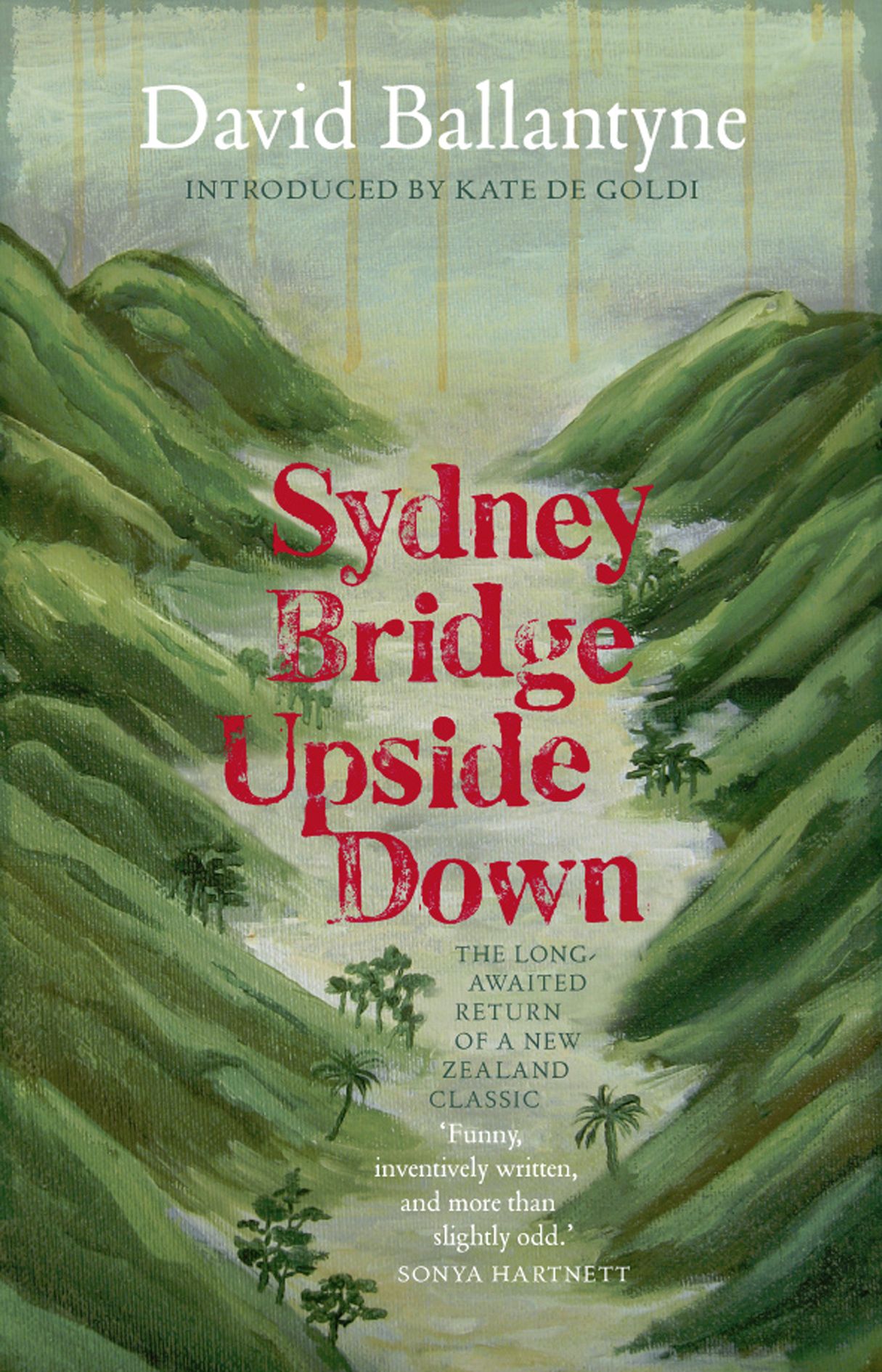 READ FOR BOOKCLUB
Chosen by Sophia
A dark story set in the sleepy coastal town of Calliope Bay where the children play in the abandoned slaughterhouse and welcome the allure of their city cousin. David Ballantyne (Ngati Uenukukopako, Ngati Hinepare) helped shape the characteristics of the NZ Gothic genre in writing this book.
❍ “Many of us were required to read New Zealand fiction as teenagers as an exercise in social studies. The upholstery of the New Zealand setting (pioneers, pungas and sheep) and our tradition of social realism in fiction can seem familiar and perhaps a bit dull. Sydney Bridge Upside Down is a novel that completely unsettles this familiar landscape. Not for a long time have I been so thoroughly unnerved by but also enamoured with a novel. A fantastic summer read because it evokes the long hot summers of childhood and then infuses them with a New Zealand-ish kind of horror that was never mentioned in your social studies textbook.” – Sophia
❍ “A beautiful sinister book set “on the edge of the world” in Calliope Bay. A thrilling book which highlights dark issues that we would rather not talk about. I loved the pace of this book and once finished I had to re-read immediately for clues I had missed along the way. This book is a must read but may not be for the faint hearted.” – Becks
❍ “How had I not heard about this book before now?! I feel like I have missed out on something wonderful for too long. I was totally riveted by Sydney Bridge Upside Down. Ballantyne manages to tactfully capture issues that weren’t talked about when the book was published in 1968 and unfolds the tension layer by enigmatic layer. The characters are expertly built and then their relationships deconstructed piece by piece leaving the bare bones of the truth. This is a masterpiece and should be compulsory high school reading as far as I’m concerned.” – Rachel
❍ “I found this book strangely foreboding with the omnipresence of the old man and his horse watching and knowing what is really going on and the old meat works as a dangerous playground. Our narrator is unreliable and my understanding of Harry changes as does my feelings for him. The uncomfortable mischief that goes on with the children, Harry and his cousin as well as the local rogue built tension and kept it tight the whole way through until the dark truth is slowly and delightfully revealed. A very enjoyable book with buckets of expertly crafted tension. Surprising that it is not more widely know.” – Jo
—–
First published 1968 by Whitcombe & Tombs
Reprinted 2013 by Text Publishing
304 pages
2015 – Unexpected Twist
 Where would we be without an unexpected twist or two to add to proceedings? Let’s face it, surprise events and out-of-the-blue announcements are what make a reader’s day. Whether shocking or pleasing they grab us by the shoulders and shake us about a bit, until we can accept, absorb and continue.
Such was the case at the conclusion to 2014 when founding member Suzy announced her departure from Nelson. Pause, gasp, then hugs, well-wishes and questions! Turns out she and family decided to head back to the North Island and we are all very happy for her with the exciting change, but sad for us 😦
But as in every good book, with change brings an open door and a gap in the character list, and through the door to carve out their own place in the story were two new lovely bookclubbers, Becks and Sonya. I think both were a bit apprehensive at first!, but after bookclub Day One it was like they had always been there – welcome ladies!
As far as reading lists go, we’ve opted to theme again this year. Sophia is focussing on Trans Tasman Authors, Jo has gone with Edith Wharton, Rachel favours The Philosophical Novel, Becks is going with Big Names In Literature and Sonya has chosen Non-Fiction, and so the reading schedule looks like this:
Sydney Bridge Upside Down – David Ballentyne
The Picture of Dorian Gray – Oscar Wilde
Ethan Frome – Edith Wharton
The Happiness Project – Gretchen Rubin
The Train – George Simenon
The Harp In The South – Ruth Park
Sophie’s World – Jostein Gaarder
The Age Of Innocence – Edith Wharton
The Colour of Water – James McBride
Go Set A Watchman – Harper Lee
The Buried Giant – Kazuo Ishiguro

We're
currently
reading
 The Free-Range Bookclub
Recent Comments