The Free-Range Bookclub
Bookclubbers without boundaries in Nelson, New Zealand
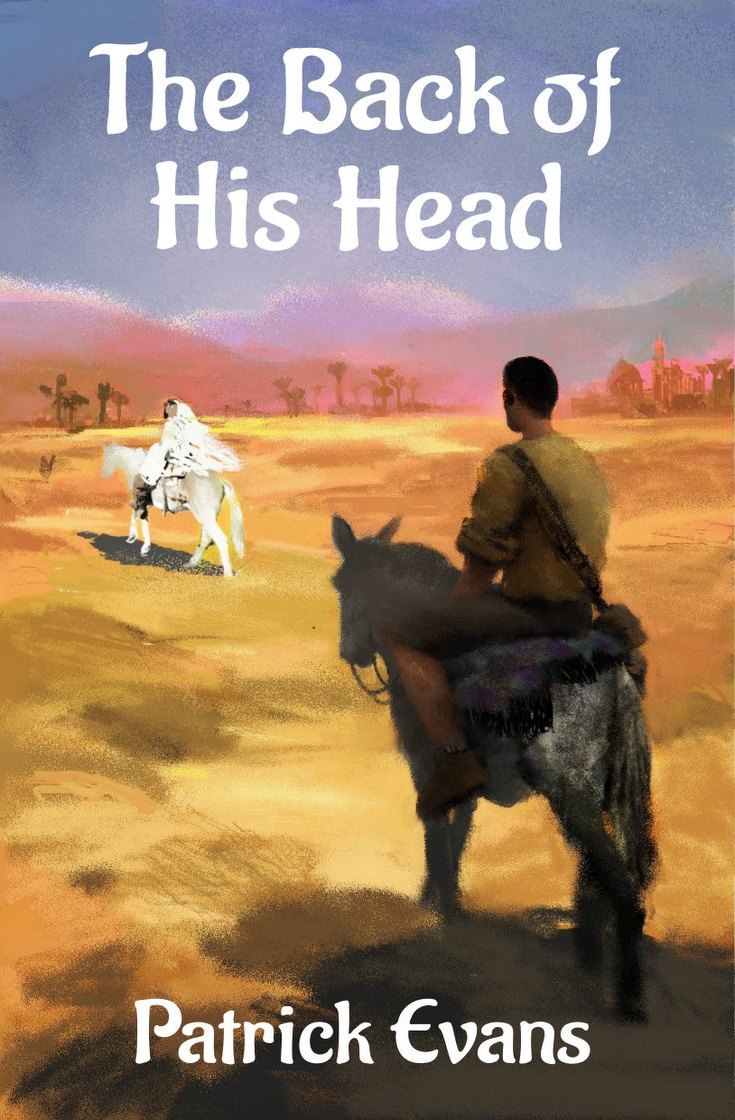
The Back Of His Head – Patrick Evans
READ FOR NZ BOOK AWARDS
Trustees overseeing the estate of Kiwi Nobel laureate Raymond Lawrence discover more than they wanted to know while struggling to keep his affairs in order. A satire about the making and manipulation of literary fame.
➤ “When I read the blurb for The Back of His Head by Patrick Evans I have to admit to feeling a bit apprehensive: ‘… a hilarious and troubling satire on the making and manipulation of literary fame’.
“So I was very relieved that rather than this being a high-falutin’ novel of literary in-jokes it’s instead a funny and down-to-earth take on the adulation we have for our heroes and the accompanying blindness when faced with information that easily topples them from their pedestal. The author perfectly captures the shame we feel in having our own poor judgement exposed and how we will consequently forgive or even ignore the most blatant indiscretions. I thoroughly enjoyed this book, despite the toe-curling recognition of my own fan-girling behaviour (John Kirwan is still the best coach the Auckland Blues have ever had ok, and I will not hear anyone say otherwise).” – Suzy
➤ “This book is like a study of the complexities of a writer and a writer’s life. It’s a dry, dark comedy but with serious moments, too. Sometimes I wasn’t sure if I was mean to be laughing or not …
“Raymond is a complex character, written to ensure we sympathise with him, love him and hate him all concurrently. At the same time the book poses real questions about a writer’s lot, about what is real and what is not. Perhaps also the juxtaposition of the academic world versus the less-educated, though, pleasantly, it does not provide a grandiose portrayal of the academics.
“This book had me guessing right until the very last word, at which point everything is sewn up nicely. A book that subtly gets under your skin and lingers for some time.” – Rachel
—–
Published 2015
Victoria University Press
376 pages
In A Fishbone Church – Catherine Chidgey
 READ FOR BOOKCLUB
Chosen by Sonya
Three generations of the Stilton family are affected by the truths in one man’s diaries of the 1950s. When Clifford Stilton dies, his son Gene protects his carefully kept diaries. They span continents and decades, from Berlin raves to Canterbury duck hunting season, from rural 1950s to the cosmopolitan present.
➤ “In a Fishbone Church was an extremely clever, thoughtful read. It felt real and believable in the sense it was a story about an ordinary family across generations, complete with its dysfunction, family secrets and unresolved issues. Chidgey cleverly and gently threw lots of questions at us about her characters, such as, who was the adulterous womaniser in diary? What did Gene really know and understand of his father’s past and had he come to peace with it on his deathbed? There were many unresolved questions in this novel. It was also a plotless piece, weaving together anecdotes of everyday life from the characters as they contemplated the themes of mortality, history, identity and family. It was riddled with metaphor and double meaning. While I appreciated the book for all of these reasons, cleverly executed by an undoubtedly talented writer, I found it to be vaguely over-thought, over-metaphored and somewhat academic. For me, it lacked ‘heart’, and I did struggle to find satisfaction as a result.” – Sonya
➤ “The multi-generational construction of this book provides a lot of worldly detail and character building, and while it might seem overwhelming, it is actually a deeply honest and personal portrayal of ordinary lives. Sure there are upheavals and secrets and less than desirable parenting skills, but so too is there in life. What makes the book enthralling are the characters who are probably just like people you know, such is their characterisation. I appreciate how well the themes are ingrained throughout the story, especially that of picking through the bones to uncover the truth. This might not seem like a book I would normally feel so strongly about, but what made it memorable for me was the robust construction sitting comfortably alongside the seemingly simple plot. I absolutely loved this book.” – Rachel
➤ “A stunningly simple writing style which delivers a relatable story about a pretty normal family. There were some skeletons in the closet which were alluded to but not dwelt upon – there was weight in the story left unsaid. The descriptions around everyday life were wonderfully done and the story ultimately led to an emotional ending. A thoroughly enjoyable book.” – Jo
—–
Published 1998
Victoria University Press
271 pages
Maori Boy – Witi Ihimaera

READ FOR NZ BOOK AWARDS
An honest, emotive work detailing not only Ihimaera’s childhood but also early life in rural New Zealand and Māori history. Ihimaera (Te Aitanga-a-Māhaki) tells of the myths that formed his early imagination, and the real life experiences that influenced his fiction. The book is a record of what it means to grow up Māori in present-day New Zealand.
➤ “Māori Boy gives not just a stunning insight into the early years of Witi Ihimaera’s life, but also historically captures the whanau dynamics and social norms of a particular time in Aotearoa’s history.
It is filled with lovely, warm anecdotes interspersed with factual information, eg the high prevalence of Māori playing lawn tennis in the late 1800s/early 1900s and the author’s own experience in the father-son Māori Poverty Bay championships. It’s definitely not all warm-fuzzies and there were sections of the memoir I chose to skim rather than completely immerse myself in.
“I understand there are two more books to come that will continue on from this childhood memoir and I will happily add each of them to my bookshelf.” – Suzy
➤ “What I loved about Māori Boy was how Ihimaera’s own stories were interspersed with Māori history and how his stories were told in the same manner that myths and legends have been told by Māori throughout the years. This provides the memoir with a special feature that escapes most books – fiction and non-fiction.
“Learning about the life of Māori through the generations as they adapted to English norms was interesting and I can say I learnt a lot more about these topics from this memoir than many books I’ve read. There were also deeply personal and shocking moments in the book, which I know I’ll never forget. That Ihimaera can combine this densely detailed history with the moving story of a humble Māori boy and his whanau is outstanding.” – Rachel
—–
Published 2014
Random House
375 pages
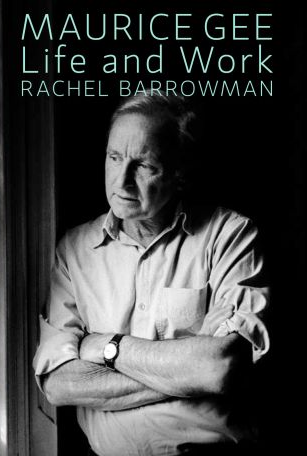
Maurice Gee: Life & Work – Rachel Barrowman
READ FOR NZ BOOK AWARDS
Ten years in the writing, this biography sets out to reveal the life and all the secrets of literary great Maurice Gee.
➤ “I have read a lot of Maurice Gee’s work so was itching to read my autographed (yes, by the man himself) copy of his biography. It’s a big book and dense with information yet it’s never clunky or overwhelming. Rather, it takes us to the real man, from his childhood observations to the joy and tribulations of raising a family, to the small steps that lead to the giant leap in his literary career.
“I like nothing better than understanding the inspirations for my favourite books, so the detailed links between those childhood experiences and his thematic construction lit me up with glee. Once I started this book I carried it with me everywhere I went and finished it in three days.
“An emphasis of the book is that Gee is a private man, and that makes this biography even more important – that Barrowman was able to glean this information is one thing, but that she could provide an honest portrayal of a life lived, in a sensitive and courteous manner, is another and something to be respected.
“If you’ve read any of Gee’s work and valued it, I’d recommend this book be added to your TBR pile.” – Rachel
—–
Published 2015
Victoria University Press
543 pages
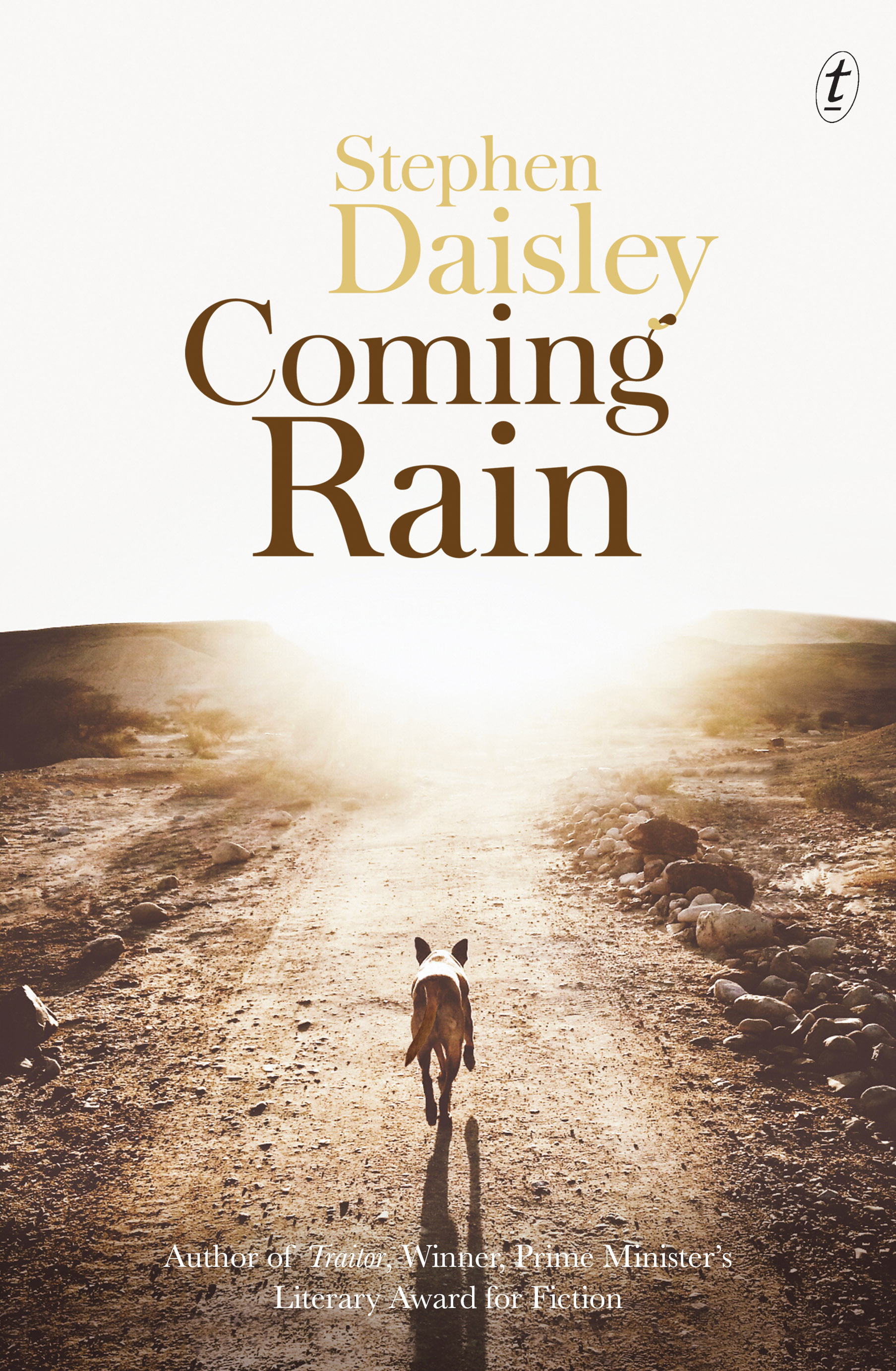
Coming Rain – Stephen Daisley
 READ FOR NZ BOOK AWARDS
Lew McLeod and Painter Hayes have been travelling Western Australia since they were boys, shearing, charcoal burning, whatever work comes. They take shearing jobs for a large farm, where the younger of them, Lew, falls in love with the farmer’s daughter, Clara.
➤ “My initial thoughts of Coming Rain were that it reminded me of John Steinbeck’s Of Mice & Men. Two loners, one a father figure to the other, wandering the land, taking odd jobs for landholders, with the younger fellow falling in love with someone he shouldn’t.”
“But it didn’t take long for my thoughts to be overwhelmed with Coming Rain as its own entity. The economical, pared back writing style manages to reflect the simplicity of the character’s lives, but still details so much in a minimum amount of words. The sparse Australian outback is etched firmly in my mind and the thoughts and needs of Lew and Painter easily comprehendible. A parallel story of a dingo bitch, pregnant and starving, is the perfect companion for their story, mimicking the desperation in their lives and the hope for something better.
“I absolutely loved this story – hauntingly beautiful and memorable. It really throws you in boots and all. This is not a book where you hang about on the periphery observing, this a story that throws you in the midst of it so you can experience it with full impact. One I will recommend to all.” – Rachel
➤ “I became completely immersed in Coming Rain by Stephen Daisley. An absolutely ripping read which absorbed me while reading and also in between reading while I thought about the characters and their possible pathways. I have never been in outback Australia but I feel like I have gained an insight into its rhythms and landscape after finishing this novel.
“In the character of Lew, the author perfectly captured that time in life where you are not-quite-grown-up but having to make grown-up decisions regardless. I also have a new found respect for dingoes!” – Suzy
—
Published 2015
Text Publishing
280 pages
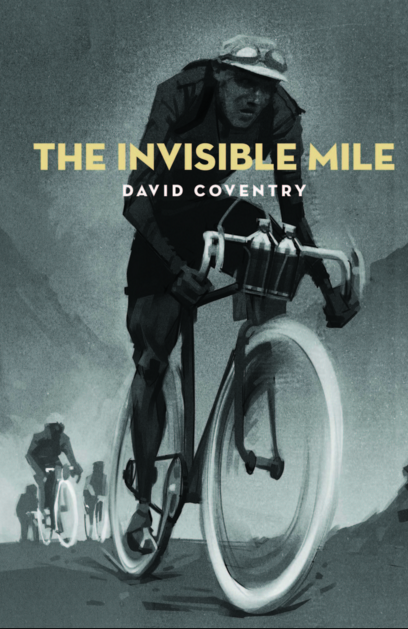
The Invisible Mile – David Conventry
 READ FOR NZ BOOK AWARDS
A reimagining of the 1928 Ravat-Wonder team from New Zealand and Australia who were the first English-speaking team to ride the Tour de France, then 5476 km of unsealed roads. A psychological journey in which the cyclists rode over mountains in darkness while also escaping the chaotic memories of their service in WWI.
➤ “The Invisible Mile was a hypnotic read; I was gently lulled into the rhythm of the race and slowly felt like I was beginning to suffer and triumph alongside the cyclists. From a factual perspective I loved learning more about the realities of racing close to 100 years ago, compared to the technology that cyclists are able to enjoy today.
“Unfortunately due to needing to read texts for work plus knowing I had several more ‘Ockhams’ to get through, the urgency of The Invisible Mile was not strong enough to pull me cleanly through to the end. This was more a reflection on me rather than a reflection on the novel! – Suzy
➤ “The Invisible Mile may begin with a lot of pedalling, but there is more to this book than a bike race. Certainly, there is a cycle race, with the first English-speaking competitors present, and sensory descriptions of the race’s brutality coming thick and fast. But the characters are racing away from more than the start line. Personal grievances, war memories and lost loved ones haunt them every step of the way, and it was these personal stories that grabbed my attention.
“The two stories parallel one another well, the pain, the loss, the hope prevalent in both and intensifying the desperation of the other. Every sentence is thick with substance. I could feel, smell and hear the French countryside and the array of characters who cycled the roadways and fought the wars. The New Zealand setting was not spared, with profound and life-changing events etching 1920s NZ on my mind.
“I must admit the extended cycling detail did cause my mind to wander. That is probably a harsh criticism which actually reflects my lack of interest in cycling more than anything else. But all in all, I did enjoy The Invisible Mile.” – Rachel
—–
Published 2015
Victoria University Press
531 pages
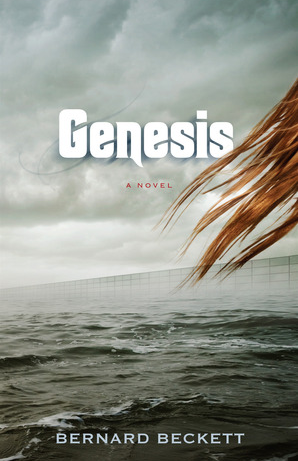
Genesis – Bernard Beckett
 READ FOR BOOKCLUB
Chosen by Becks
Anax sits an all-day exam for admittance to The Academy, the governing body of her utopian society. However, things are not as they seem and instead unresolved scientific and philosophical questions are raised.
Unable to attribute misfortune to chance, unable to accept their ultimate insignificance within the greater scheme, the people looked for monsters in their midst.
➤ “This book was pleasantly easy to read with a surprise ending I didn’t see coming, although in hindsight there were clues scattered throughout. The philosophical themes provided long lasting thought provoking stimulation, I especially loved the discussions between Art and Adam over what constituted thought. A quick read and thoroughly enjoyable story.” – Jo
➤ “What a fantastic way to introduce dystopia, Kafka and shock endings to a YA audience! This is an interesting way to present the setting and plot – discussions between an examiner and an Academy hopeful make up the entire book – and the alternative reality is well thought-out. My only criticism is that I didn’t feel Anaximader had her own voice, rather it seemed like an all-knowing narrator telling us the story, not a young woman in search of greatness. But overall, well worth reading.” – Rachel
—–
Published 2006
Longacre Press
144 pages
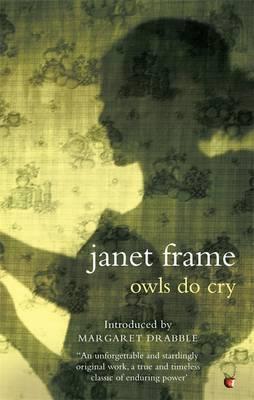
Owls Do Cry – Janet Frame
 READ FOR BOOKCLUB
Chosen by Jo
Owls Do Cry is semi-autobiographical, recounting a character’s – and Frame’s own – time in a mental hospital in provincial, pre-1940s New Zealand. Protagonist Daphne Withers is mute, surrounded by uncaring carers, and begins receiving shock treatment. With poetic structure, the books also an exploration of mental health, poverty and loneliness.
She grew more and more silent about what really mattered. She curled inside herself like one of those black chimney brushes, the little shellfish you see on the beach, and you touch them, and then go inside and don’t come out.
➤ “I didn’t really enjoy large parts of this book as I found the poetic bits very laborious. The story is pretty grim as the family’s characters lead a pretty awful life with some surprising revelations at the end. It uses an original theme (for the time) of incarceration in an asylum and lobotomy. The characters are extremely well developed and very distinct which I really enjoyed and Frame’s satiric narration for one of the characters is class. I appreciated the book more after doing some research and realising there is a large part of Frame’s life represented in the story. A book that deserves to be read again, slowly and savoured.” – Jo
➤ “Despite this being set reading for many NZ school students, I did not read Owls Do Cry until my 20s – and maybe appreciated it more. The social realism that defines Kiwi Lit is apparent, but it’s the rhythmic composition that offsets the sadness of the Withers’ lives that stuck with me on my second reading, so although the book meanders through serious and bleak topics, it does so in a meaningful and poetic way. The feminist undertones make it beautiful and its balladry ensures there are no wasted words.” – Rachel
➤ “I looked forward to sinking into this book. I have not read any other Janet Frame works and was eager to find out what she was all about. Initially I read it with much fervour and found myself sinking into the story, the characters, and the beautiful, almost poetic, prose. However, I made the mistake of not allowing myself enough time to read it at leisure. It is not an easy read, and I really struggled towards the end to do it justice. Owls Do Cry requires some reading ‘fitness’, and I found myself puffing a bit too much and not really enjoying it as result.” – Sonya
—
Published 1957 by Pegasus Press
Re-released 2015 by Text Publishing
170 pages
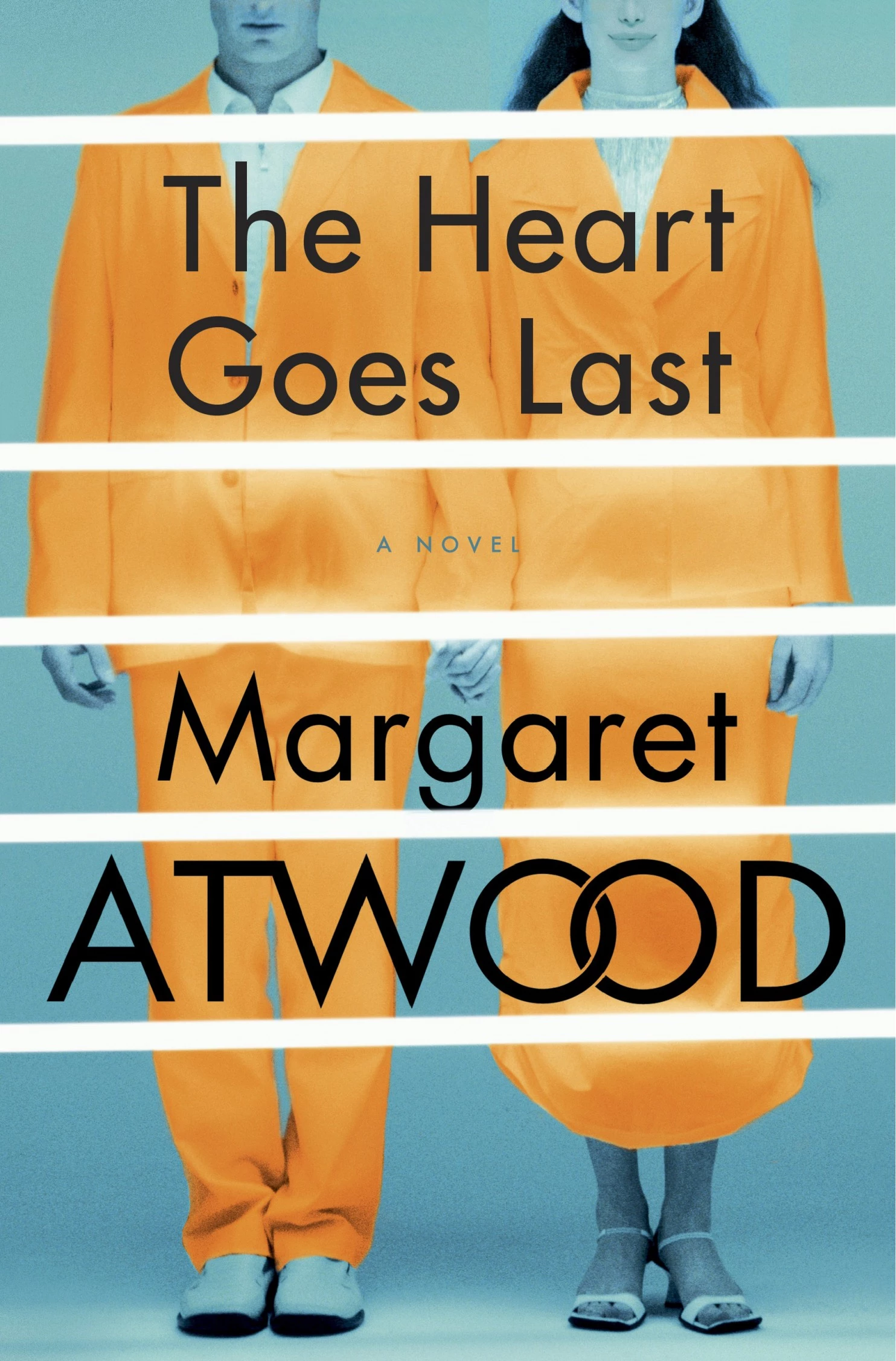
The Heart Goes Last – Margaret Atwood
 READ FOR BOOKCLUB
Chosen by Rachel
Jobless and homeless during world financial collapse, Charmaine and Stan sign up for a social experiment called The Positron Project. In it, no one is unemployed and everyone gets a comfortable, clean house to live in for six months of the year. On alternating half years residents are inmates in Positron prison.
That was the original idea, but once you’ve got a controlled population with a wall around it and no oversight, you can do anything you want.
➤ “Margaret Atwood has a knack for foreseeing the future, which, in her books, leads to the demise the humanity, so I read her latest work with caution, especially with the knowledge there is an element of truth to everything she writes. In The Heart Goes Last, she has again created an alternative reality with many identifying markers, ensuring every aspect of the story feels strangely close to home. It tugs on the heart strings and gets the mind whirling. However, when the book turned into a bit of a sex comedy, my shoulders slumped – the usual substance that dominates her novels was lacking here. While I loved the book for its social commentary and creativity and entertainment, I think Atwood’s other masterpieces have set the bar extremely high for subsequent works. But The Heart Goes Last is still one I won’t forget and one worth reading.” – Rachel
➤ “I have to say I was a little disappointed in this book. I had such high expectations for Margaret Atwood! The first half had me held, but depressed me and made me feel sad. And the second half, although lifting the spirits with hope, left me feeling a bit cheapened, as if she had run out of passion to weave a clever yarn. It was a bit too easy, too sexed up, too much Elvis … that said, I loved her characters. I loved how they were relatable in their human weakness, yet fantastical. I loved it that I was led through, right to the end, even if that was a little disappointing. And I had a sense throughout that I was “watching” an Indie movie – quirky, strange yet mesmerising.” – Sonya
➤ “The skill of Margaret Atwood is undoubtably profound – great writing with an original story and written from a much younger voice than her age. I loved the whole book, however the first half was more plausible and it seemed to become more and more outlandish as the story went on (although some of the outlandish plots are actually a reality in some places, apparently). It was intriguing and exciting, although I thought the ending was too neat and tidy and at odds with the rest of the story.” – Jo
—
Published 2015
Bloomsbury Publishing
320 pages
2016 – The Back Story
 It’s easy to become engrossed in the story, to be taken with the now and the potential and forget what has been; the moments that created the existence of now.
And it’s easy for best sellers and award-winning authors to look out there into the wide world and forget what’s here, right around us.
Kiwi authors are among the world’s best, making names for themselves in literary programmes and awards world wide. But more importantly, they write what we know, the long, hot, dry summers of our youth, our unique social realism, the struggles throughout history of a developing multi-cultural society, the darker side to the back streets, but also the carefree, ‘sweet as’ orientation of us.
And so, us freerangers figured, while best to keep one eye out there on the wide world, let’s know more of the back story, of our back story. Let’s really discover how our literary scene is shaping and influencing, and being shaped and influenced by, international trends. Let’s share our NZ lit loves and discover material we were previously unaware of.
As a result, this year’s reading schedule is Kiwi Lit heavy. Classics from early last century through to new releases make the cut, though with the realisation of what’s been left out, the Ockham Book Awards shortlist may be compulsory reading! Keep up to date by checking out this year’s NZ titles here
In less cheery news, we say goodbye to our valued bookclubber Sophia who is moving out of town. She has been a stalwart of the freerangers and we will miss her dearly.
2016 Schedule
The Heart Goes Last – Margaret Atwood
Owls Do Cry – Janet Frame
Genesis – Bernard Beckett
In A Fishbone Church – Catherine Chidgey
The Scarecrow – Hugh Morrieson
Wake – Elizabeth Knox
Rich Man Road – Anna Glamuzina
Infinite Air – Fiona Kidman
The Story of a New Zealand River – Jane Mander
The Godwits Fly – Robin Hyde
The Famished Road – Ben Okri
Book Book – Fiona Farrell

We're
currently
reading
 The Free-Range Bookclub
Recent Comments