The Free-Range Bookclub
Bookclubbers without boundaries in Nelson, New Zealand
The Rabbits – Sophie Overett

READ FOR BOOK CLUB
Chosen by Rachel
16yo teenager Charlie Rabbit goes missing in the midst of an Australian heatwave. The story is about the collateral damage to the already dysfunctional family which must now navigate Charlie’s absence, too. A contemporary story with a touch of magical realism.
I have a theory that a person spends half their life thinking they’re the normal one but the reality is that normal doesn’t exist. People are complicated and they make the wrong choice all the fucking time. They’ve had chicken-shit parents or punchy boyfriends or long, long lives no matter how many years they’ve lived, and those things make them cowards or they make them strong and they make them care about other people too much, or not enough or not at all, and they give them this weird, warped sense of self-preservation and it can’t be navigated by you or me because we might see right now where a person is on a map but we haven’t seen the route they’ve taken to get there. All you can control is you and what’s yours and the choices that you make, not anyone else’s.
● The Rabbits is a work of contemporary Australian fiction with a tender, examining quality but also a nagging hint to expect more than you initially thought. What starts as a simple story of a dysfunctional family with extremely relatable characters and examinations of family dynamics, takes a sudden turn into a magical realist bent. The story is so steeped in reality before this, it makes the U-turn sharp. I enjoyed the magical element for its ability to make us focus even more on the characters left behind and how it supported the themes. Overett has a beautiful turn of phrase, too. I starting dog-earring pages to refer back to but was creasing too many pages and had to stop! My favourite character was Olive, the teenage daughter who was labelled ‘a brat”, however I understood her every action.” – Rachel
● The Rabbits had a point of difference with the magical realism angle. It came as a bit of a surprise, despite knowing something out of the ordinary was coming, but it made the book more interesting to me and I enjoyed this aspect. I admired the author’s characterisation, too. She had me enjoying all the characters, even though some were difficult and frustrating, and their relationships were dysfunctional and lacked communication – I really wanted them to just talk to each other!! One gripe is Delia’s reaction to Charlie’s disappearance. It didn’t ring true to me that a mother would carry on as usual and go to work when her child was missing. However, I became so emotionally invested in this book it had me weeping frequently. I loved The Rabbits, including the ending which involved a promising resolution without being unrealistic.– Jo
● The characters in The Rabbits were lovely – flawed, well-rounded and relatable. Even the less likeable ones still had vulnerabilities that really made me feel for them. There were however aspects of the novel that I found detracted from the story. The magic realism felt jarring and the depiction of a mother with a missing child just wasn’t urgent enough for me. While I was glad to have to met the Rabbit family, I wasn’t completely wowed by their fantastical story. – Suzy
● The first part of The Rabbits is focused on an ordinary dysfunctional family and an ordinary domestic setting. Then, out of nowhere, it took an unexpected twist and we were thrown into a world of magical realism. I really enjoyed this turn of events. Overett made me sit up from the comfort of an easy, flowing story, and made me mentally challenge this unbelievable new element. The novel was written beautifully, and the characters and plot were convincing which in turn made the unbelievable actually quite believable. – Jodie
Published 2021
Penguin Random House
336 pages
Bookerthon – 2023
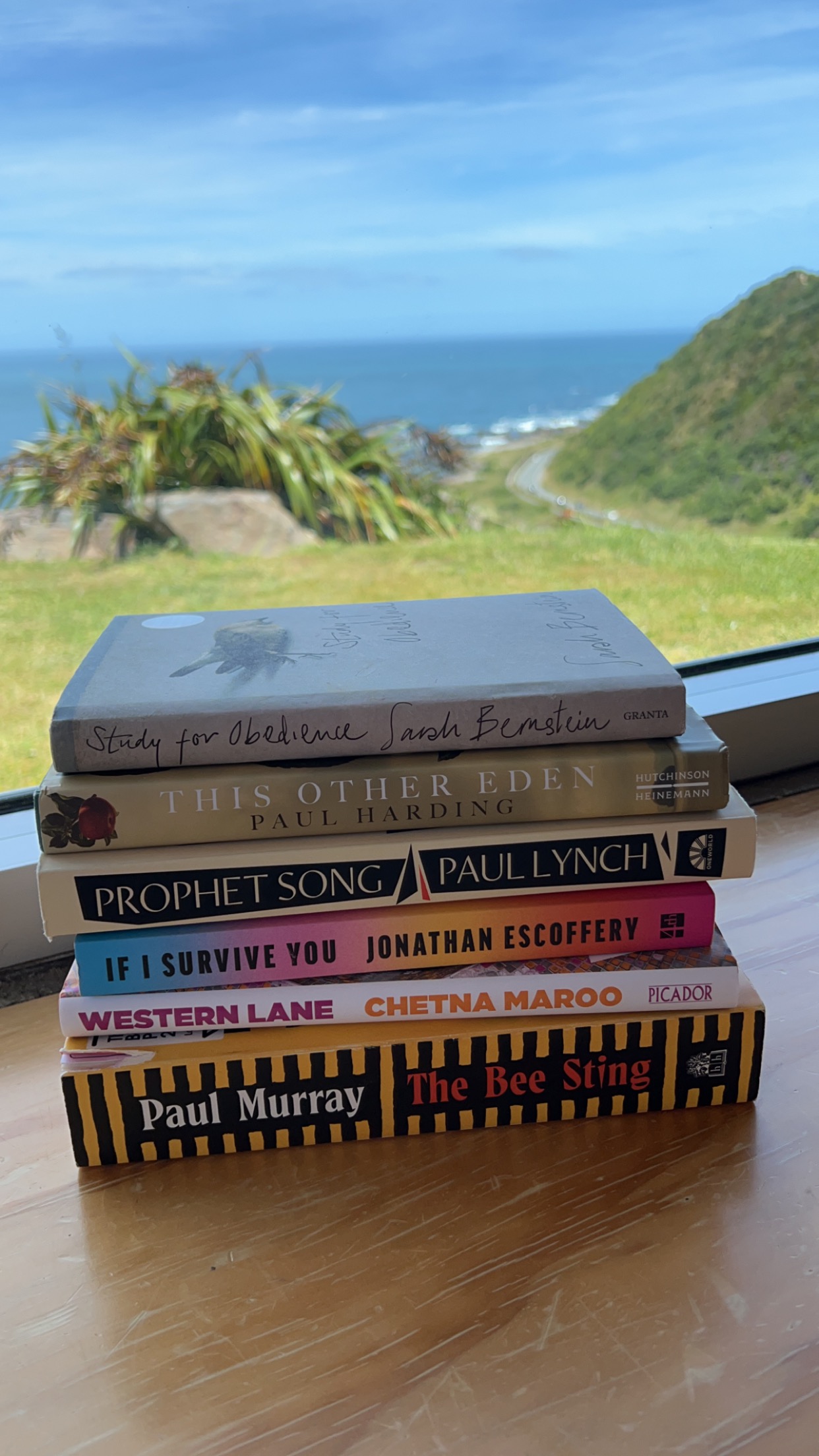
The announcement of the Booker longlist in 2023 elicited a wide spectrum of reactions in the literary world. There were many unheard of titles amongst the finalists, and those expected to make the list did not. The absence of Barbara Kingsolver’s Demon Copperhead was the biggest surprise. After winning both the Women’s Prize and the Pultizer Prize, some thought it would take home the trifecta.
But also absent were Salman Rushdie’s Victory City, Eleanor Catton’s Birnham Wood, Deborah Levy’s August Blue, Zadie Smith’s The Fraud … the list goes on. Many book reviewers scored poorly with their prediction lists and some didn’t even try to predict the shortlist, which set off another round of surprised reactions, especially when there were more white men named Paul than women on the list.
It was with trepidation and intrigue that we took on the shortlist this year. What we anticipated was a collection of books with a fresh outlook. Perhaps those expected titles missed out because they were too expected. Maybe these novels were hidden gems breaking the mould of storytelling and taking literature in a new direction.
In Wellington, overlooking the beautiful and blustery Lyall Bay, we found six stories that examined identity and in particular how to create space and to simply be your own person in today’s complex world. And while the characters try to figure this out, the authors throw weighty issues at them: tyrannical governments, extremism, climate change, immigration, racism and xenophobia, poverty, grief and personal shame. There is a lot of no holds barred honesty, amongst which we were able to place ourselves to examine the issues from the inside out.
Stylistically, form is pushed in new directions, too. Linked short stories, a lack of punctuation, use of second person narrative and choosing an absence of words to portray plot are all novel ways to introduce new forms of storytelling – so, yes, a fresh outlook. Hurrah. So, what did we think?
Rachel:
In analysing the shortlist, I couldn’t help but use Demon Copperhead as a yardstick. Yes I thought it would be longlisted, shortlisted and possibly win, so for any of the actual shortlist to justify their inclusion, in my eyes it had to be better than Demon Copperhead. While I liked some of the list and did appreciate their collective world viewpoint, I can’t say they are individually the best six books I’ve read this year. If Demon Copperhead was the seventh book on the shortlist, I would have given it second position. The House of Doors I would have placed third.
My last place is going to This Other Eden. The aspect I thought it had most going for it, its historical merit, turns out to be tenuous and I feel a bit duped in the marketing of the book as historically accurate, when the author himself says it is “90% imagined”. When I didn’t particularly rate the writing style either, I’m left wondering how this book made it this far.
The other book I have evolved feelings about is The Bee Sting. The more time passes, the more I think about it and realise what a phenomenal job the author did in keeping so many plot balls in the air while simultaneously developing the characters and creating a sense of now so thoroughly, then bringing everything together in a mind-bending conclusion.
Western Lane and If I Survive You were both good solid reads that I enjoyed and which offered me content I have not experienced before. I maintain my opinion on Sarah Bernstein’s Study For Obedience, though I know I’m out on a limb there. I wouldn’t be surprised if it won because it is so different and form-breaking.
The book I loved right from the start and never stopped loving, and which I do think is better than Demon Copperhead, is Prophet Song. Paul Lynch had me right there alongside Eilish every step of the way. I felt agony over her decision making, as if it was me that had to decide to stay or leave behind a certain family member. Some scenes just broke me. It feels like there is no more relevant fictional book right now and I really hope it wins.
Suzy:
I had not heard anything particularly positive about the shortlist when it was announced so honestly my expectations weren’t high. I was pleasantly surprised by six books that were all highly readable (not a given with Booker shortlisters!) and also very moving in different ways.
I have appreciated the shortlisters even more since our research on them, with the exception of This Other Eden. This novel is promoted as being based on a true story, but then the author twists historical facts in the worst possible way.
I feel like I have been privileged to get an insight into different times, cultures and countries while reading these exceptional books. However, it has been Prophet Song that’s propelled me into a horrific imagining of how lives can move from ‘normal’ to completely upended so quickly. While the other four novels are all truly fantastic and worthy, I am backing Paul Lynch for the win.
Rachel’s favourites (ranked 1-6)
Prophet Song
The Bee Sting
Western Lane
If I Survive You
Study For Obedience
This Other Eden
Suzy’s favourites (ranked 1-6)
Prophet Song
The Bee Sting
Study For Obedience
Western Lane
If I Survive You
This Other Eden
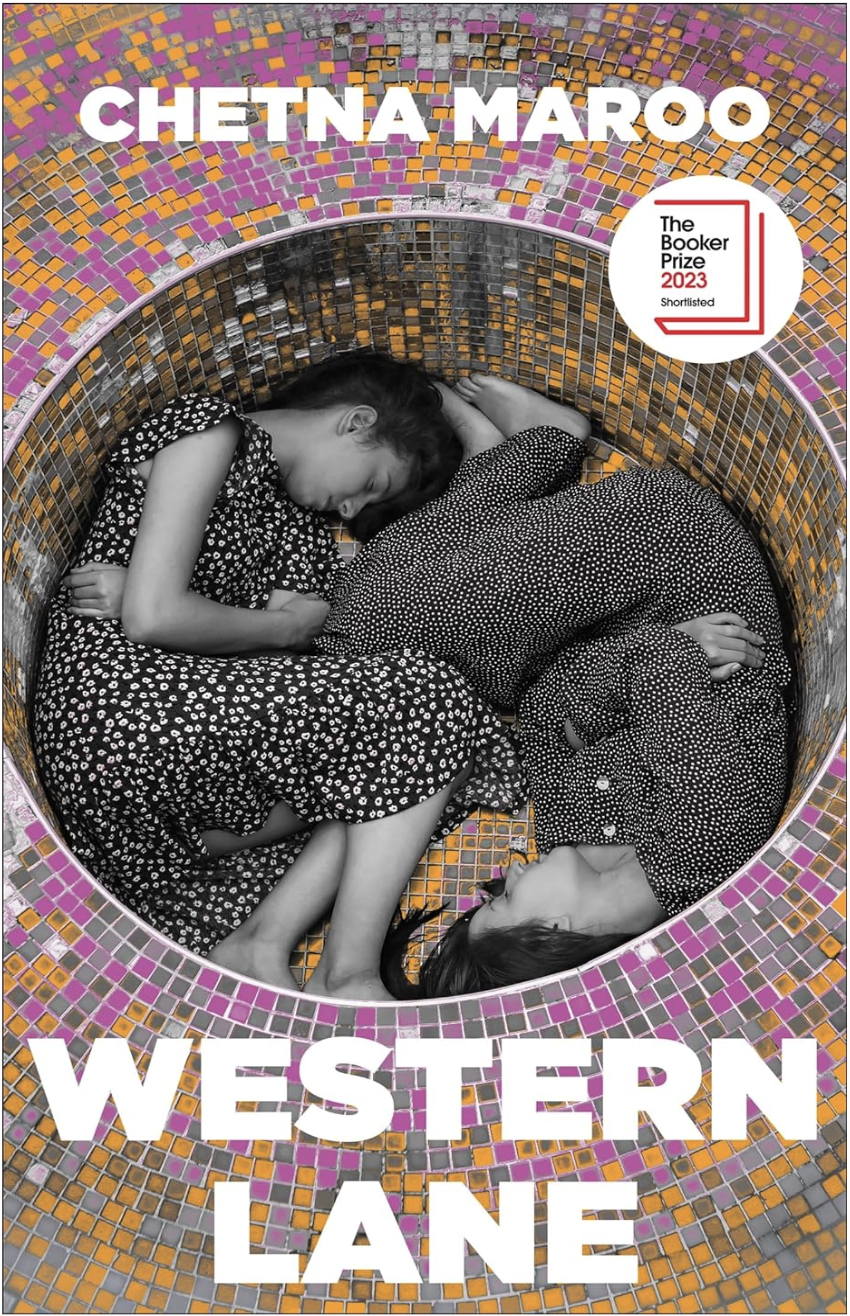
Western Lane – Chetna Maroo
READ FOR BOOKERTHON
In this coming of age novel, 11-year-old Gopi takes up competitive squash as a way to cope with the grief of her mother’s death and the challenges of being an ethnic minority living in Britain.
● After some wordy novels on the Booker Prize shortlist this year, I very much appreciated the brevity and sparseness with which Chenta Maroo presented Western Lane. There is talent in being able to convey so much emotion and purpose not only with words used, but in words not used.
Like many others I had wondered how engaged I would be with a book about squash, but the characters drew me in from the outset and I appreciated how every move on the court represented Gopi’s outlook on life as she comes of age. The time spent on the squash courts is supported by a strong plot about Gopi’s family, in particular their attempt to overcome their grief, financial hardship and exposure to racism, to be a supportive and successful family unit. An uplifting read despite the sombre themes. – Rachel
I knew how to move on the court, and sometimes I hit beautiful, aggressive shots, but I was inconsistent. Ged had court sense. He knew where he was and where his
opponent was and he knew where to place the ball. In this way, he was an attacking
plater, but sometimes, when he had done the work, when he had set himself up to win, his mind wandered.
● Chetna Maroo’s story about Gopi, the youngest daughter of a grieving family navigating the pre-teen years, is both tender and subtle. Gopi and her family are aware of her special talents, but face the challenge of encouraging her to flourish against a backdrop of a disintegrating domestic environment. As a reader I felt myself strongly hoping that my own will would somehow help achieve Gopi get to where she needed to be.
The writing in Western Lane was without the often overwrought sentences of some of the other Booker shortlisters and somehow this often made it seem ‘less than’. However, as I reflect more on this I think its apparent simplicity was much more clever than I originally thought. – Suzy
Published 2023
Farrar, Straus and Giroux
160 pages
This Other Eden – Paul Harding

READ FOR BOOKERTHON
After inhabiting Apple Island for six generations, the small, multi-racial community face the authorities who decide its time to “cleanse” them. Real events that happened to the people of Malaga Island in 1911.
● While I appreciate that Paul Harding has educated the reading world about the plight of a group of people in history who were displaced and mistreated, I don’t feel like I heard from the people themselves. More, the story was about what happened to them, without their input on the physical, emotional and cultural consequences.
Some parts of the story were compelling but others were wordy and cumbersome and my attention waned, resulting in a bit of re-reading. I finished the book interested in the history and feeling sympathy for these people, but unsatisfied in the reading experience, as if there is still more story to tell. – Rachel
And it seemed as if by sending him off to paint his beautiful pictures they all might somehow unhouse homelessness, might somehow bankrupt poverty. It seemed to all of them that evening as if they somehow might even starve hunger itself.
● I’m looking forward to the research of this book as it definitely feels like the events are unconscionable enough that they could be based on real historical events. There was little solace and the island residents being seen as not quite human brought to mind the treatment of the Aboriginal people in Australia.
With novels like this I often think geez I wish the author could just give us a bit of joy, but any glimmer of hope in This Other Eden would have been misplaced. – Suzy
Published 2023
W W Norton & Co
224 pages
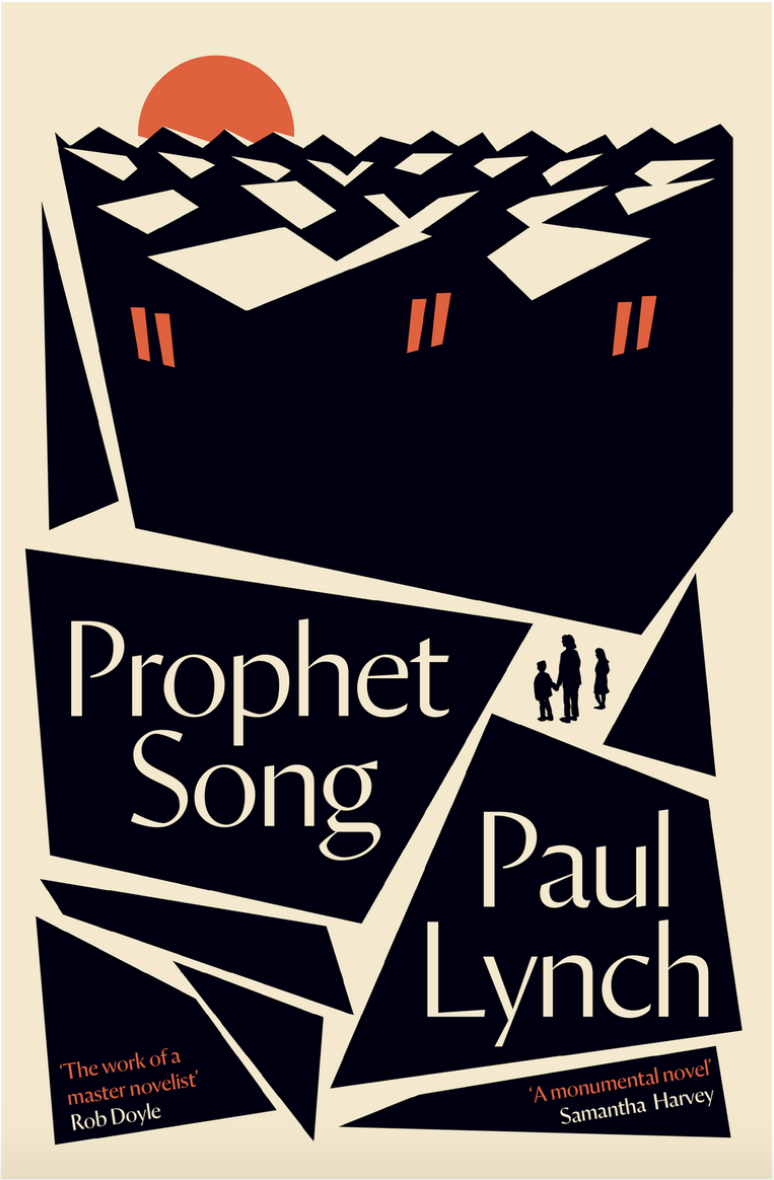
Prophet Song – Paul Lynch
READ FOR BOOKERTHON
Prophet Song is set in an alternative Dublin where a tyrannical government is weaving its way into people’s lives, and society is slowly collapsing. It focuses on one family who suffer in many ways and one mother, Eilish Stack, who is trying to hold her family together.
● Surely there is no more pertinent and relevant novel than Prophet Song right now. I am embarrassingly ignorant as to the history of the war that is currently dominating the hearts and minds of so many of us at the moment. I have read articles, I have listened to podcasts and I just can’t get my head around it.
While educating us on specific historical events isn’t necessarily Paul Lynch’s goal, what he has achieved is made the experiences of conflict and war as human and messy and relatable as possible. A devastating read that left me feeling nauseated and bereft. – Suzy
Sooner or later pain becomes too great for fear and when the people’s fear has gone the regime will have to go.
● One of the first stylistic things I noticed in Prophet Song is that while chapters and section breaks exist, this author is not a fan of the <enter> button, even during dialogue. There are also no speech marks or other notations to indicate speech or a change of speaker. I was concerned momentarily, but actually it provided a new kind of reading experience. Firstly, it made me slow down and really read every word. And it simulated the non-stop, rolling events, propelling me from one scene to the next.
As well as the style, I also admired Lynch’s way with words and character development. He has lovely phrasing that can endure or devastate so cleverly. I rollercoastered through the emotions with Eilish as she had a small win or a new tragedy. There is one scene in particular that I think will stay with me forever.
It’s probably obvious I absolutely loved this book. I was completely immersed in the story, and was impressed at how it was stylistically put together. I also appreciated how it made me further consider current world events. – Rachel
Published 2023
One World Publications
320 pages
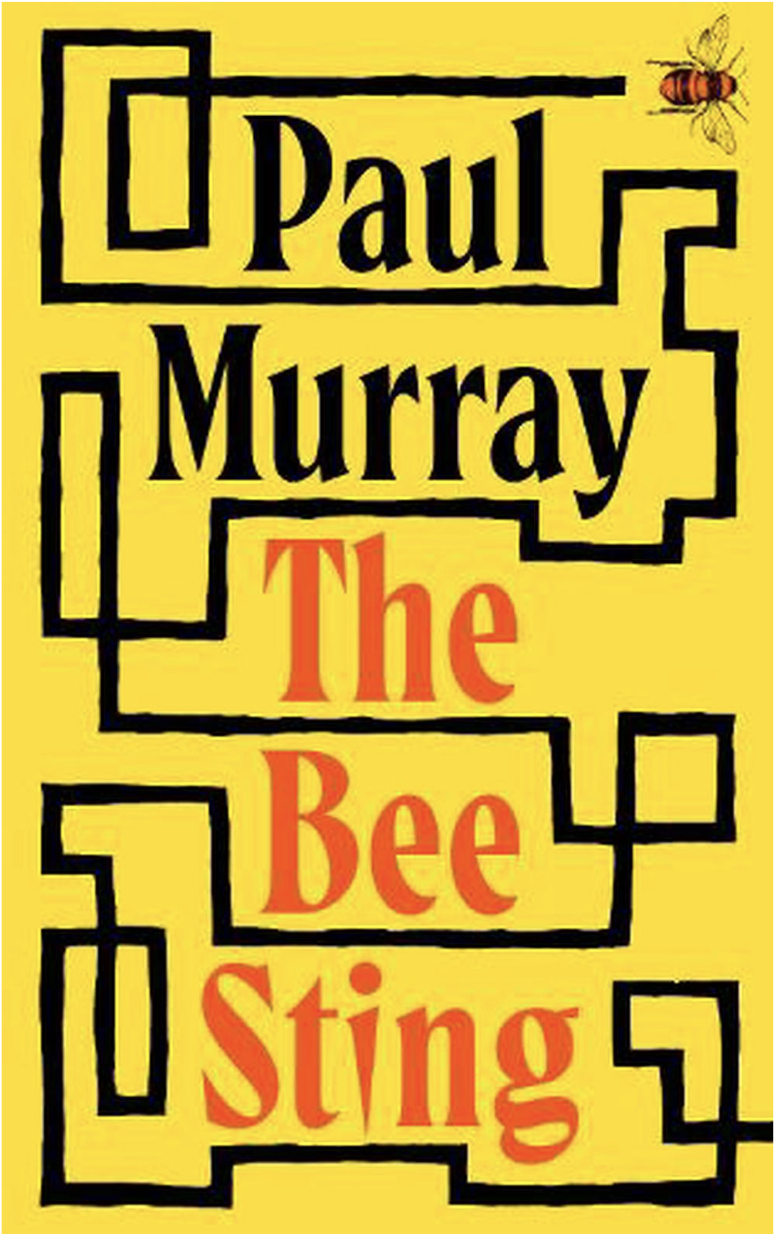
The Bee Sting – Paul Murray
READ FOR BOOKERTHON
An Irish family saga based around Dickie Barnes, his failing auto dealership and his wife and children who are each dealing with huge issues of their own. A 600+ page drama that investigates each character’s plight indepthly.
● I didn’t connect with The Bee Sting in the first few pages, well the first 100 pages. The story felt menial and I just didn’t care about a teenager, her privileged life and her beautiful friends. If it wasn’t a Booker book I would probably have DNF’d it.
However, persevering proved how important and relevant every part of the novel is to the whole story; to the final package. It’s interesting how each character is built to be a part of the family drama but also their own person struggling with their own issues. Their voices are distinct. The story builds and builds and has one of the best endings. Reading through the wordy lives of the individual characters, and accepting some chapters don’t have punctuation (???) is worth it for the ending.
The book covered off a lot of current issues and it feels like a work of this time and place. I think it will have longevity. Though I don’t consider it perfect by any means, I think it could be a contender for the Booker Prize win. – Rachel
Maybe every era has an atrocity woven into its fabric. Maybe every society is complicit in terrible things and only afterwards gets around to pretending they didn’t know.
● This novel began innocuously enough with a bit of light teenage drama and angst. Yes, I thought to myself, I can handle this. However, The Bee Sting gradually builds the tension, and as secrets were revealed I felt increasingly stressed about how each character was going to find a sense of peace and resolution amidst the increasingly complex layers of their existence. The tension of the final pages was nearly unbearable.
I thoroughly enjoyed The Bee Sting. More than anything it was a ripping yarn and you don’t always get those on a Booker shortlist! – Suzy
Published 2023
Farrar, Straus and Giroux
656 pages
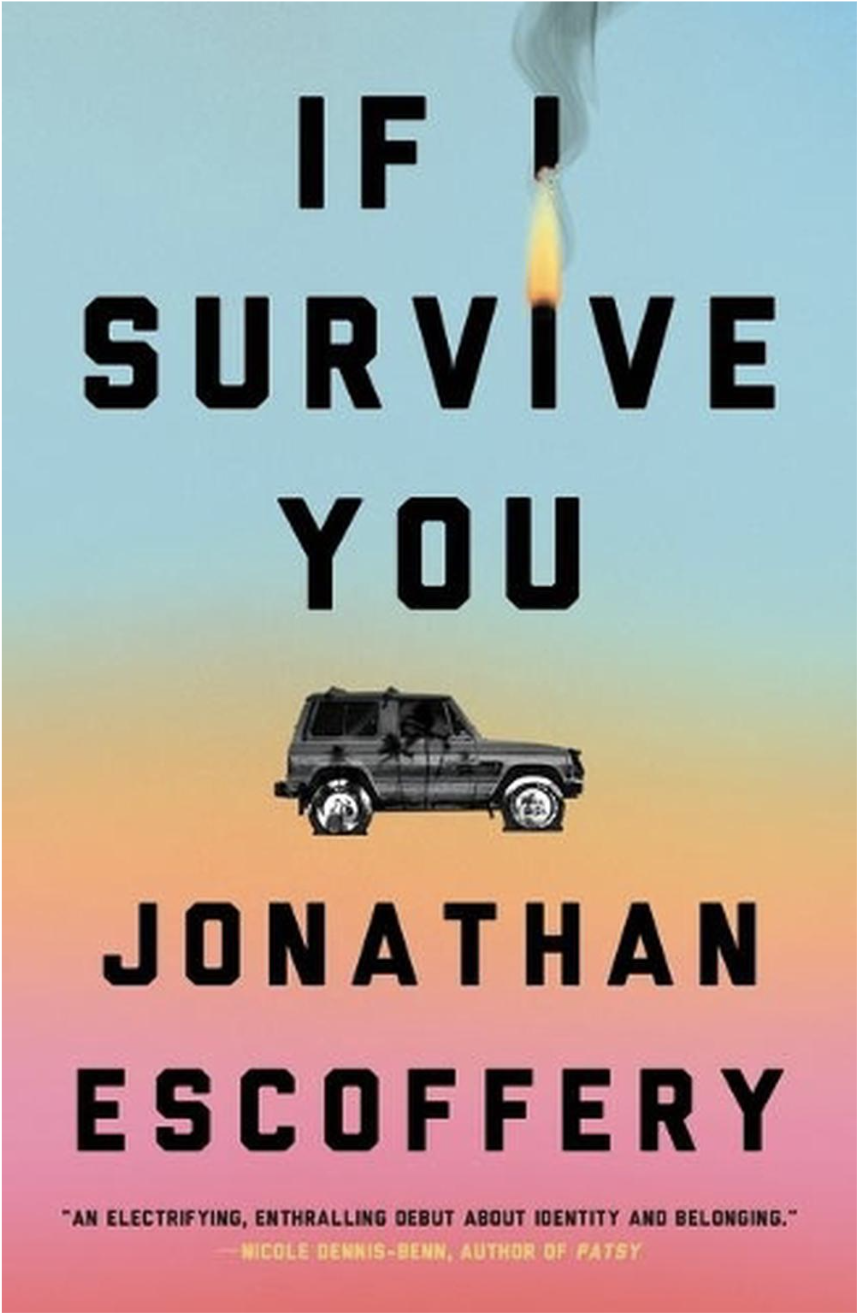
If I Survive You – Jonathan Escoffery
READ FOR BOOKERTHON
A series of linked stories about a Jamaican family in Miami, centered around younger son Trelawny and his determination to survive racism, financial woes and Hurricane Andrew.
● I am privileged in that I have generally always had a pretty strong sense of belonging. Whether it has been a new town, a new job or something else entirely I can nearly always guarantee that I’ll soon enough feel at ease and that I’m with my people.
If I Survive You is a masterclass in what it’s like for someone when that sense of belonging is hard to reach and the heartbreaking reasons for not necessarily achieving it. The author did a great job at bringing us along with Trelawny and his experiences felt raw and uncomfortable, as they should. – Suzy
‘Are we Black?’ you ask your mother.
‘Chuh. I was never asked such stupidness before coming to this country. If someone asks you,’ she says, ‘tell them you’re a little of this and a little of that.’
● This book was touted as linked short stories which, to be honest, put me off it from the outset. However, I was proved wrong in my estimations as I was immediately drawn to Trelawny, his life, wry sense of the humour and the weird and wonderful situations he got himself into. I liked the way he analysed situations and people, including himself.
There was never a dull moment in these stories, which did not feel like short stories, it seemed like a novel with each chapter focusing on a new character. Each of them offered a new perspective about acceptance, community, displacement and battling. Some stories are very funny, albeit heartbreaking. In the end I loved it and would recommend it widely. – Rachel
Published 2022
MCD
260 pages
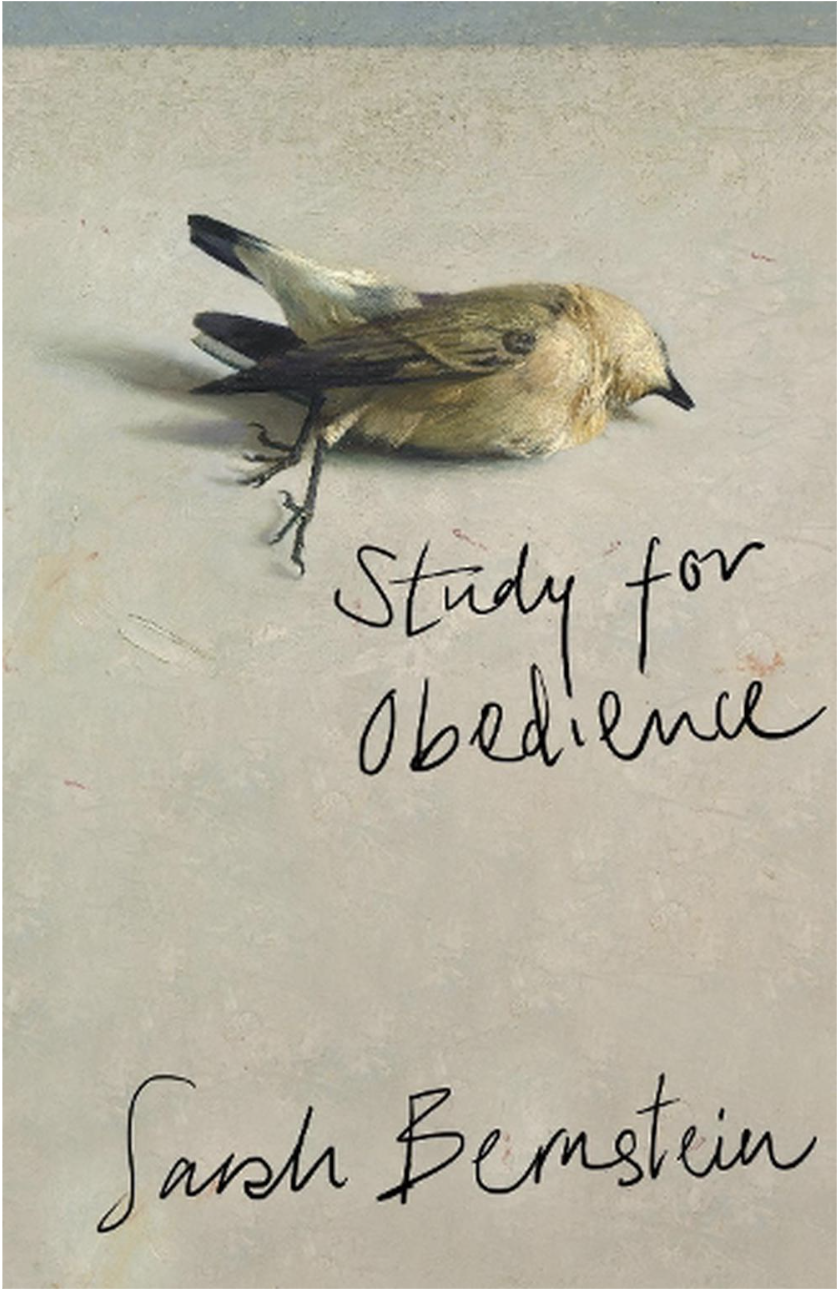
Study For Obedience – Sarah Bernstein
READ FOR BOOKERTHON
A woman moves to the countryside to become a housekeeper for her brother, whose wife has recently left him. Soon after her arrival, several unexplainable events occur and she feels the community’s suspicion towards her growing.
● Well, regardless of whether it wins the Booker or not I am giving my own award to this book for “Most Likely to Induce Nightmares”. The deep sense of unease I felt while reading Study For Obedience has yet to completely leave me and it’s been a good few weeks now since I finished it. It was sometimes just one small moment that would have the nails-down-a-blackboard effect, but there were so many of them in this book. So many! Sarah Bernstein has done a phenomenal job and I would not be surprised if she takes out the win. – Suzy
In the mornings of those first few weeks at my brother’s house, I cherised the silence. I stood at my bedroom window and watched the greens emerge, the trees, the mountains. How to describe how I felt then, pacing the floorboards in my bare feet, unable to tear my eyes away from the world outside, unable to leave the porch, and finding it impossible to stay still.
● Beneath the surface of Study For Obedience is a seductive tale with uncomfortable undertones of a woman meandering around her brother’s property and community, always there, always opinionated and guiding events and never properly engaging with anyone. She is unreliable and as such there is an interestingly paced reveal of key information throughout. I felt like I was always grimacing expectantly as I turned the pages, wondering what was coming next.
However, these undertones were smothered by the surface which is painfully verbose. Clearly language is a theme of the book but even still, this wordiness – whether intended to be the author’s or the narrator’s – was too much for me, dragging out events unnecessarily and providing a stilted reading experience. For example: ‘In short, the state of extreme precarity to which I had been accustomed up until this point, the state of permanent although latent terror that had characterised my existence until then, had prevented me from believing my current situation was anything other than provisional, and as my desire increased to stay in place forever, to remain at the mercy of the weather on the edge of the forest, so did my conviction that something, yes, something would intervene, something terrible would happen.’
Or, to summarise: ‘I thought something terrible would happen.’
This book could have been exceptional if the author didn’t try so hard to be linguistically clever. – Rachel
Published 2023
Knopf Canada
208 pages
Cocoon – Zhang Yueran

READ FOR BOOKCLUB
Chosen by Jo
Li Jiaqi and Cheng Gong recall their childhood friendship under Chinese communist rule, living with extended family and in wonderment about what really happened that rainy night in 1967 in the abandoned water tower where Gong’s grandfather was attacked. A story of family, mystery and intergenerational guilt, of China’s recent history and politics creeping in and taking over people’s lives.
Grandpa once told me he just went with the flow; he studied hard at school, and did his best as a doctor. He joined the army at the right time, and then joined the Party at the same time. He made sure to put his feet in the right place. The times were changing so quickly, one false step and you’d find yourself no longer on solid ground, plummeting into the abyss. Going with the flow was actually very difficult. Like a signal operator patiently adjusting the frequency, one needed sensitive ears and a still heart to correctly tune into the era.
● This book was filled with heartbreaking themes – generational trauma and grief, inherited guilt, child abandonment with a little bit of domestic violence thrown in there, too. Interestingly, it wasn’t a miserable read but instead intriguing and powerful. I was gripped from the start and the understated bombs that went off through the book really shocked me. The vegetative grandfather added another element of interest and I’m still thinking about him being both alive and dead at the same time. The characters were complex and well developed. I really enjoyed this and would recommend it. – Jo
● Cocoon leads the reader assuredly through two families’ intertwining lives. It feels gentle at times, as well as grounded and deliberate, however there were also many moments that I know will sit with me uncomfortably for some time. The more I reflect on this novel the more I realise how clever and special it was. – Suzy
● This beautifully crafted novel reveals how the two protagonists Li Jiaqi and Cheng Gong’s history and fate were shaped by the Cultural revolution and the generations before them. I really enjoyed the complexity of the plot and characters. Their alternating stories weave together to make for an intriguing and complex plot. There is a lot of bleakness and sorrow and not a lot of true happiness, but I never felt dragged down by this. Zhang Yurean had a way of portraying an underling hopefulness. I really enjoyed this and would recommend it to anyone. – Jodie
● Despite themes of guilt, tragedy, shame and loss, Cocoon is a page-turner with a well-constructed cast. The main plot line focuses on Cheng Gong trying to discover who injured his grandfather during the revolution leaving him in a vegetative state. It was impressive how, even in his barely alive state, Zhang managed to make the grandfather such a personality in the story. But there is so much more to the book than this plot. Characters relay their own histories and struggles as well as weave in and out of the main plot line. Just when you think something is covered off, one character appears again providing a new angle to the intrigue. I loved all the characters, was invested in their plights and enjoyed the Chinese history lesson adeptly built in. This was a fantastic read and I think most readers would enjoy it. – Rachel
Published in Chinese 2016
Translated by Jeremy Tiang in 2022
World Editions Ltd
323 pages
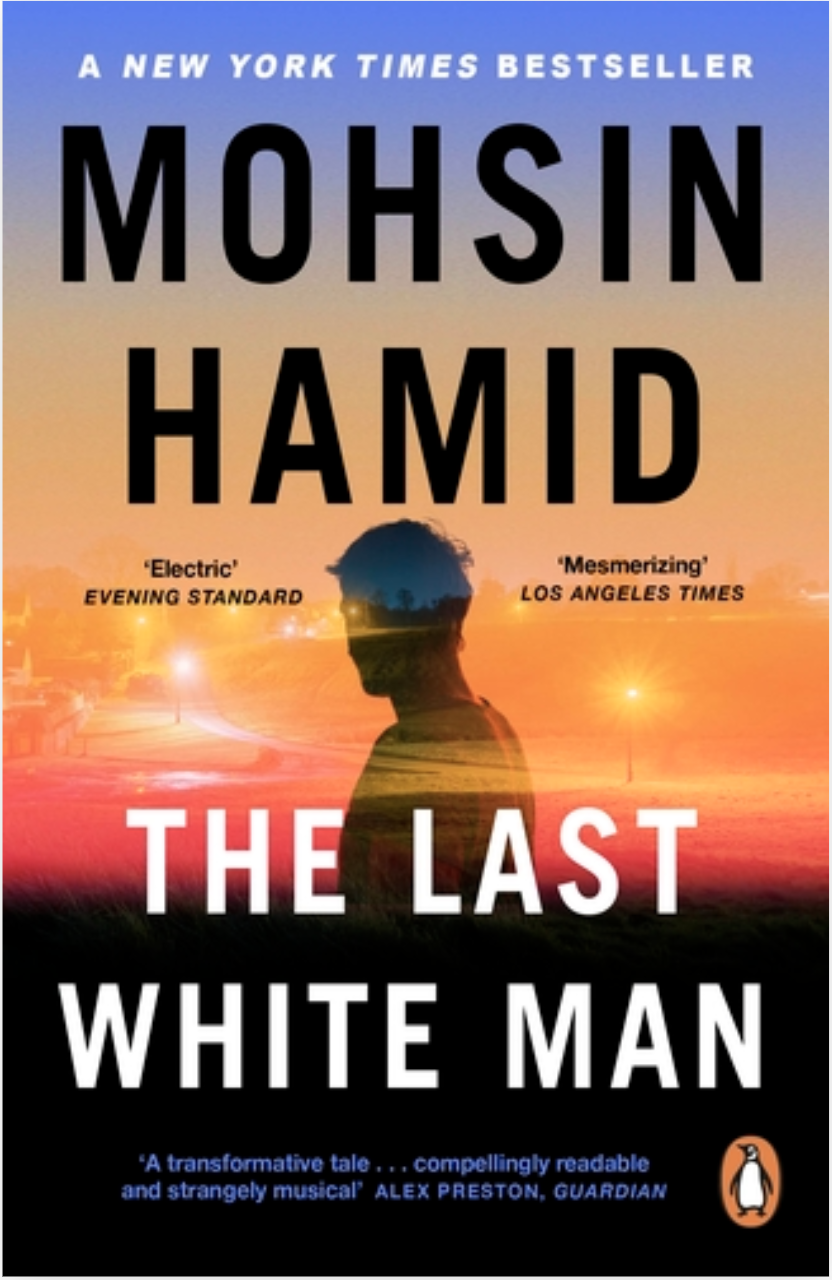
The Last White Man – Mohsin Hamid
READ FOR BOOKCLUB
Chosen by Suzy
Anders, a white man living in a fictional town, wakes one morning to discover his skin has turned brown. Confused and ashamed, he experiences change in the attitudes of the people in his family and community. Yet he is only the first to transition. A magical realist novel about racism, isolation, loss and new beginnings.
… and the more he looked, the less white he seemed, as though looking for his whiteness was the opposite of whiteness, was driving it further away, making him seem desperate …
● I enjoyed the premise of The Last White Man. Mohsin Hamid has written in a way that feels like what’s happening to Anders is actually pretty plausible rather than absolutely impossible. The rolling sentences at times lead the reader relentlessly forward, however there was also something about the writing that made me feel like I was being kept at arm’s length. Not my favourite novel of Hamid’s but still an enjoyable read. – Suzy
● The Last White Man is a reminder of how bias continues to reign in society and what its flow on effects are. There is the obvious racism theme, but the book also reminded me of the pandemic, where people were terrified about what afflicted others and feared any social contact. There is a steady pace to the book and long, propulsive sentences, but it is not climatic. I was not disappointed by this as I felt the styling was reminiscent of The Metamorphosis, which obviously provided some inspiration for this book. – Rachel
● The first line of the book had me captivated: ‘One day Anders, a white man, woke up to find he had turned a deep and undeniable brown’. Unfortunately, as the novel progressed it didn’t really pack much punch and I’m not sure I got the key take away from the book. I feel Hamid had great intent but it was lacking in depth for me. In saying that it was certainly thought provoking and puts to the reader questions about the acceptable treatment of one other. – Jodie
● The Last White Man was a strangely subdued story with no real peak – I kept expecting one but it never came. This perhaps gave me an overall sense of being underwhelmed. In saying that I did enjoy aspects of the book, especially its themes around racism. The long sentences had me rushing along at a frantic pace and I thought this was a clever way of creating tension. – Jo
Published 2022
Riverhead Books
192 pages

We're
currently
reading


Recent Comments