The Free-Range Bookclub
Bookclubbers without boundaries in Nelson, New Zealand
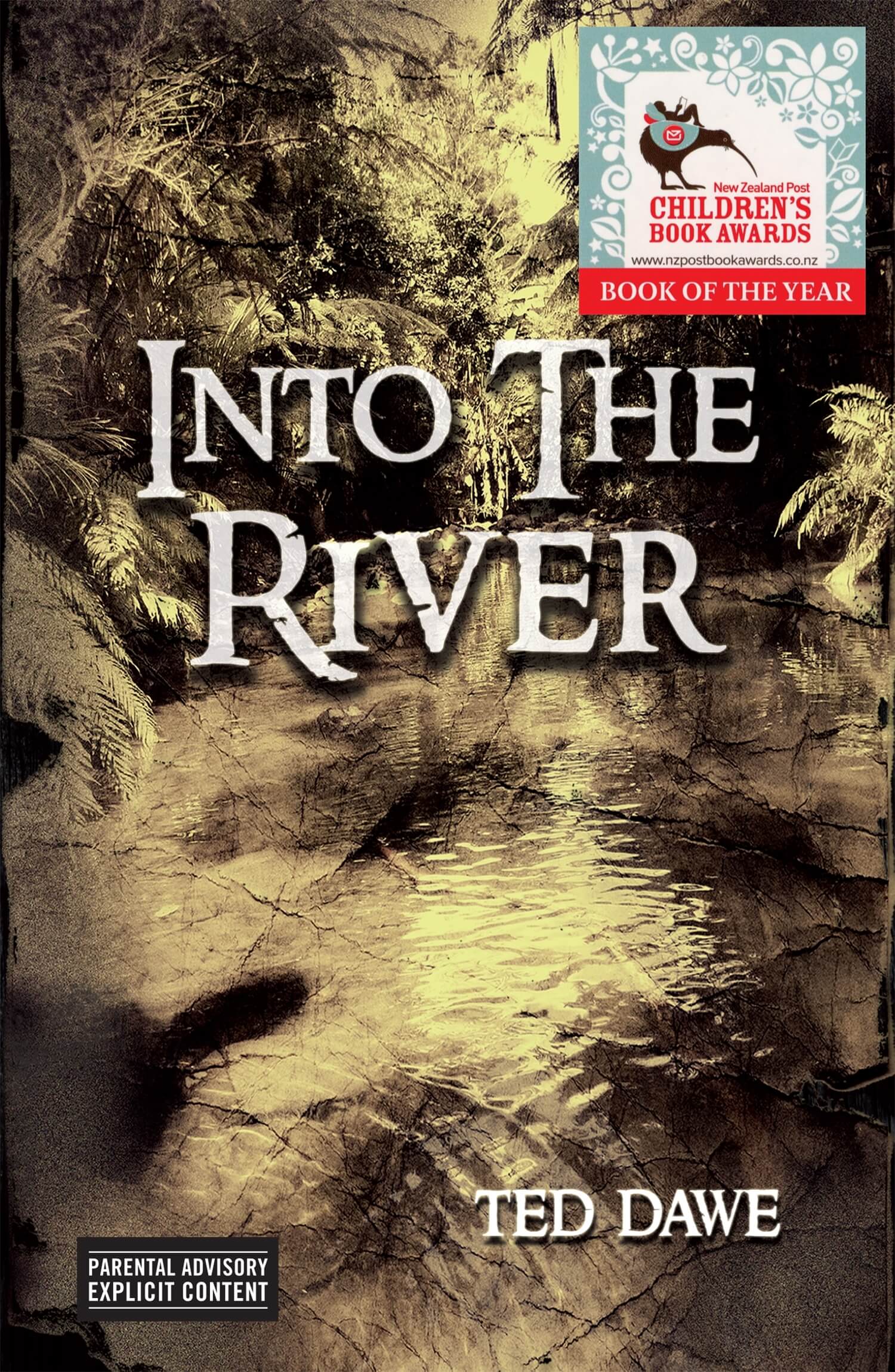
Into The River – Ted Dawe
 READ FOR BOOKCLUB
Chosen by Sonya
An East Coast Maori boy wins a scholarship to an Auckland College where his ancestral beliefs collide with his private school education.
◉ “I had no idea that Into The River was a banned book when I chose it! I was after a Kiwi Young Adult’s book that would be a fun, easy read. And easy it was, drawing me in quickly from the first chapter. Fun, it was not. And it did become quickly apparent why it was a controversial piece, with every taboo subject covered off nicely: Under-age sex, drugs, paedophillia, homosexuality, violence, suicide and crime. And all within the context of a boys’ private school! The pace was quick and the characters were colourful. Yet I found it fell short of greatness. The ending left me unsatisfied and a little confused – I wanted the main character Te Arepa to be good. A hero I suppose, but he was a let down. I wanted his Maori heritage to raise him up, but it didn’t. I wanted there to be a message – an uplifting one – and there wasn’t. And the ending wasn’t happy. Perhaps I’m just too much of a lightweight romantic to have enjoyed this book?” – Sonya
◉ “Te Arepa occupies two very distinct worlds in this well told and interesting story – one of home heavy with cultural history and expectations and the boarding school world of pakeha and coming of age experiences.(However at the age of 14 a number of these are slightly alarming which adds to the interest factor). Te Arepa or Devon does seem like two different characters after he enters the boarding school world and takes part in all sorts of dodgy teenage events that culminate in a drastic change of circumstance and an unexpected ending. I thought there was a disappointing lack of a spiritual theme during the eel adventure at the start which felt like an opportunity missed however the story as a whole was hard to put down and thought provoking. I would love to know what Te Arepa is up to now!” – Jo
◉ “There was a naturalness to this book which I enjoyed. As if the author did not aspire to fit his content into a preconceived best-seller mould or be moralistic, but rather wished to write about real things which (fortunately and unfortunately) happen. The characters, their language and actions and their teenage anxieties were spelled out truthfully and the story progressed organically, not in a way which was forced. I particularly enjoyed the juxtaposition of Maori ancestory and storytelling with the private schooling usually spared for the white kids. Also, how the characters did not fit a stereotypical protagonist/antagonist mould – every character was both and neither at the same time, a nod to us all in the real world who exhibit both strengths and flaws on a daily basis. I knew this book had been banned and so was wary that graphic content may surprise me, but it was more mentioned in passing rather than being explicit, so I did not find it offensive.” – Rachel
—–
Published 2012
Random House
285 pages
2017 NZ Book Awards
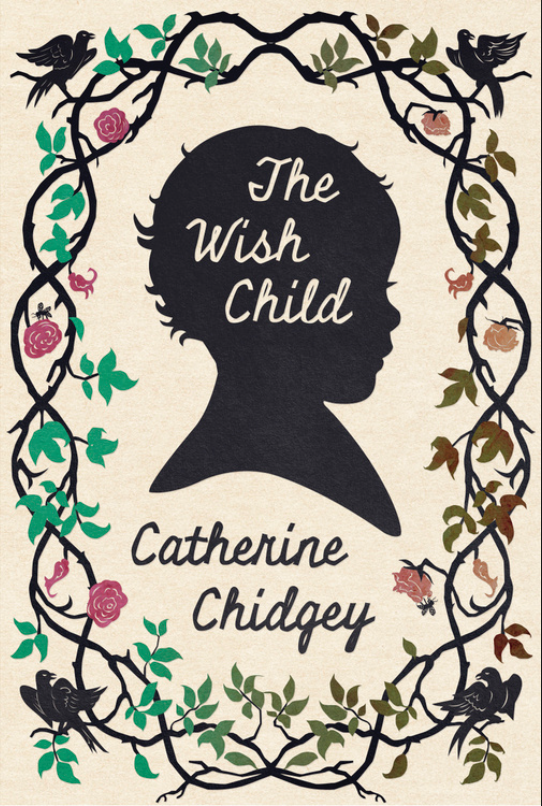
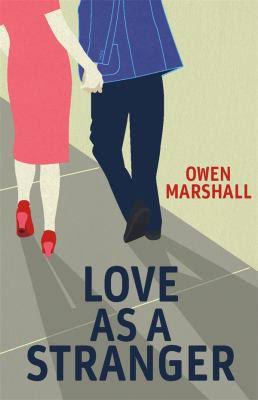

Three of the shortlisted fiction books could take out the Ockham’s top prize in 2017. (Wish there’d been time to read shortlisters from the other categories too, but alas.)
With literary giants like Stead and Marshall at the helm of this section and powerhouse Chidgey snapping at their heels it is no surprise this a three way race. (In our humble opinions.) Billy Bird, unfortunately, didn’t float our boats.
What Stead brings to the competition is a neatly packaged recap of his career and his genius – how could any fan resist buying, reading and loving this story story collection, The Name On The Door Is Not Mine? And it delivers the expected punch, and poetic beauty, too.
Marshall delivers as expected also, with Love As A Stranger, which is not heavy on plot, but is an expertly crafted examination of the human psyche, something that he masters time and time again.
After several years without a new novel, Chidgey returns to the literary world with a bang, with The Wish Child. It is an emotional book full of suffering, grief, irony and dark humour and shows she is a force to be reckoned with.
So, all three deserve the win, we believe. Who will the judges side with? Who do we side with? Let’s say our buck lies with Chidgey, by a nose.
The Wish Child – Catherine Chidgey
READ FOR NZ BOOK AWARDS
Two children watch as their parents become immersed in the puzzling mechanisms of power in 1939 Germany.
◉ “Personally, I love human stories set during the war. But sometimes you feel like you’re reading the same stuff over and over.
“However, Catherine Chidgey has managed to discover and build on a new facet to the human war story that I had not come across before. I don’t know if it was her research, her plot or her poignant prose, but I felt like I was reading something unique and became emotionally invested in the characters’ lives.
“It is a gripping novel and though there is much suffering you are catapulted from one scene to the next without the thought that it is too much. I mean, why stop when there are surprises at every turn, even right through to the postscript! This may be a New Zealand book, but it is a story for everyone.” – Rachel
—–
Published 2017
Chatto & Windus
384 pages
The Name On The Door Is Not Mine – C K Stead
READ FOR NZ BOOK AWARDS
A collection of short stories from literary giant CK Stead. The collection includes new, previously unpublished stories as well as older stories that have been reworked. Set in locations from the South of France, Zagreb, Oxford and back to New Zealand.
◉ “If a reader of this book wasn’t aware prior, it would be immediately apparent upon reading this book that C K Stead is New Zealand literature royalty.
“There is an effortlessness and sophistication to this collection of short stories that renders them artful and poetic. Yet there is such an intense humanness too, it’s easy to feel connected to the array of protagonists, many of whom were struggling in the literary world.
“However, the most striking feature to me is the amount of content packed into each short story, ensuring those who prefer novels and weighty stories do not feel cheated, as I often do with the short story genre.” – Rachel
—–
Published 2016
Allen & Unwin
304 pages
Love As A Stranger – Owen Marshall
READ FOR NZ BOOK AWARDS
Middle-aged strangers Sarah and Hartley meet by chance in an Auckland graveyard and arrange to have coffee. Sarah’s husband is undergoing cancer treatment. They begin an affair which soon turns into an obsession.
◉ “I loved this book from the very first sentence. The deceptively simple storyline was strung out at such a perfect pace, the slow reveals were done so well and it was just a great read. The sense of foreboding was there early on in the book and I loved it. My one quibble…. one of the characters was in Auckland (from Hamilton) for medical treatment. Would this really be necessary?? Waikato is a tertiary hospital and should be able to do all of this treatment. Hmmm, evidently I’m a health nerd. Anyway, fantastic book and would definitely recommend.” – Suzy
◉ “Love As A Stranger is about just that. Strangers who meet and begin an affair. And really, that just about sums it all up. It’s not a complicated plot. But there is so much more to it. It is a moody, suspenseful book with a simmering dread underlying it. Everything is perfectly explained and described viscously as if the author is actually a character in the book describing everything he sees. I hated to put this book down, as if the characters’ lives would continue on without me. My only disappointment was the urgency of the ending. I expected more earlier on. But that’s just me and it wouldn’t stop me recommending this fantastically written novel.” – Rachel
—–
Published 2016
Penguin Random House
286 pages
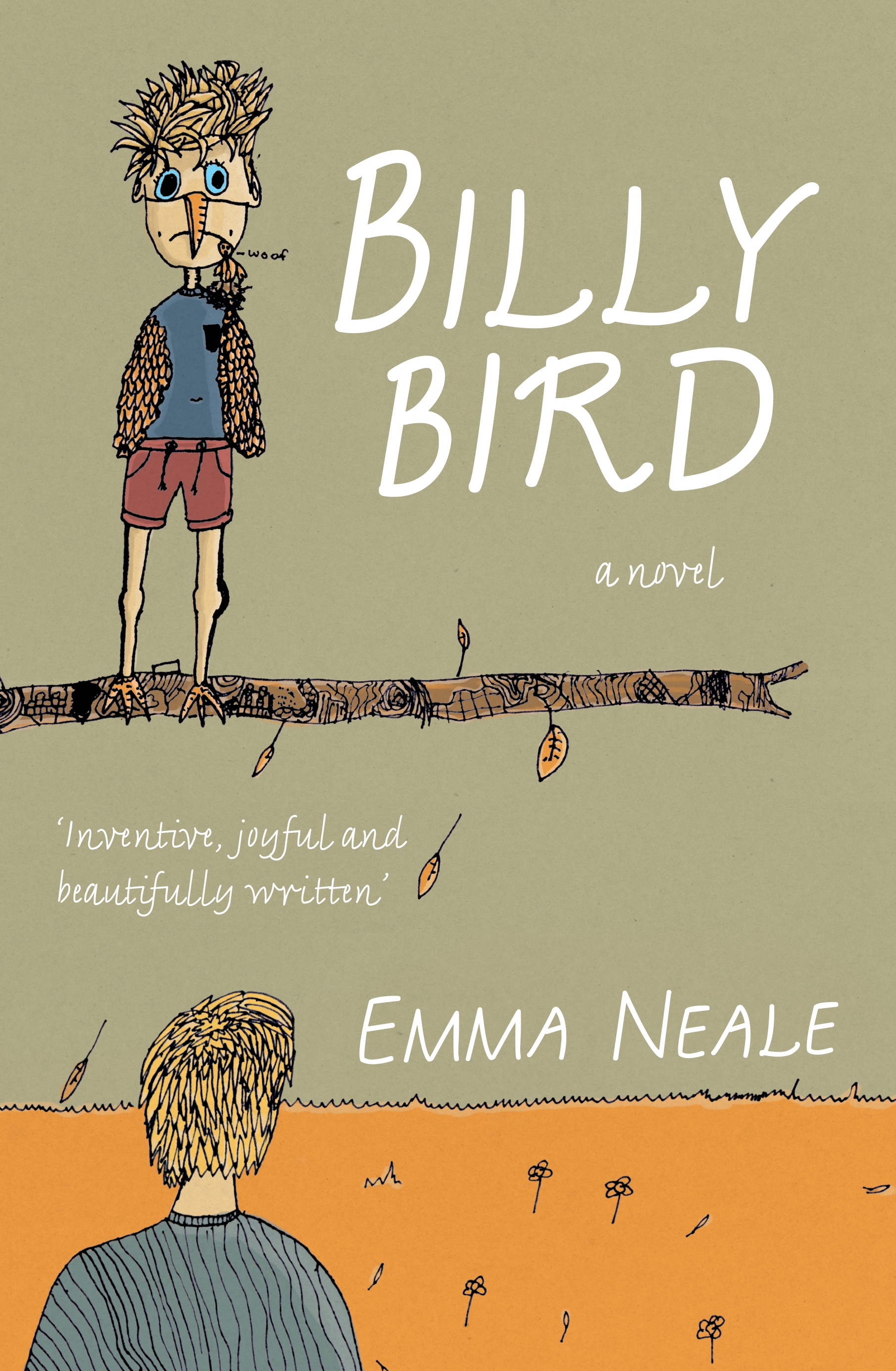
Billy Bird – Emma Neale
 READ FOR NZ BOOK AWARDS
Liam and Iris have a son called Billy, who is as clever and interactive as any other child of his age. However due to a tragedy in the family, Billy turns into a bird. He believes this completely. As his behaviour becomes increasingly worrying, his parents must find a way to stop their family flying apart.
◉ “Billy Bird was a real grind for me. The day-to-day realities of sick pets, mental health issues, emotional pain, grief processing, money troubles etc were all too much. Obviously we don’t expect fiction to always be uplifting (I’d only read self-help books if that was the case) but a bit of escapism is always nice. It just felt like someone I didn’t particularly like oversharing too much of their life with me. Perhaps I’m a cold-hearted monster but Billy Bird wasn’t for me.” – Suzy
◉ “I was expecting great things from this book, shortlisted for the NZ Book Awards and up against literary greats. But I was quickly disappointed. The prose felt full of cliches, and devices were often used like a cheat’s means to an end, making it feel quite flat. New Zealand references are scattered about like confetti, but this does not make it a New Zealand book. There was great potential for the story of a boy who became a bird to deal with his grief, but instead the characters were two-dimensional and the final pages dragged out. Not one for me.” – Rachel
—–
Published 2016
Penguin Random House
330 pages
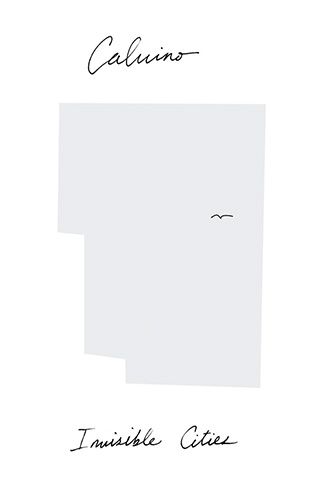
Invisible Cities – Italo Calvino
 READ FOR BOOKCLUB
Chosen by Becks
Marco Polo describes the cities he visited on his expeditions to Kublai Khan, emperor of the Tartars.
—–
Published in Italian 1972
Translated into English by William Weaver 1974
Harcourt
174 pages
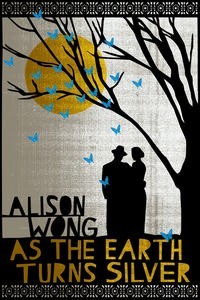
As The Earth Turns Silver – Alison Wong
 READ FOR BOOKCLUB
Chosen by Jo
The story and struggles of settler families in early 20th-Century New Zealand. Yung and Shun are immigrants from China. They become greengrocers in Wellington and know they must adapt to their adopted home. Englishwoman Katherine McKechnie struggles to raise her rebellious son and daughter following the death of her husband. Ultimately this award winner is a love story that breaks all the societal norms of the time.
He came from behind and held her in his arms, told her to look again at the earth and sky and water. Could she see how the world turned silver? People died, he told her, because they were afraid. They did not go out at night on dangerous water. They did not see the earth as it turned overnight to silver.
◉ “As The Earth Turns Silver has all the hallmarks of a classic Kiwi novel, yet it focuses on a story few have told, that of the struggles of migrant Asian families. The juxtaposition of their historical traditions versus a new Western life played out compellingly. As such I was entertained but also educated about another aspect of our country’s history. The mellifluous writing style ensures a measured reading pace and the storyline doesn’t disappoint.” – Rachel
◉ “This is a tragic love story which explores themes of racism and oppression. A refreshing change for a NZ novel to delve into early Chinese life and culture and I had no idea that Chinese immigrants were thought of so poorly and treated in such an appalling way by the British. Although Katherine suffers oppression, Chinese women were subject to miserable existences that made Katherine’s situation appear much more privileged. Beautifully written with wonderful characters both good and detestable. I loved it.” – Jo
—–
Published 2009
Penguin Books
288 pages
The Childhood Of Jesus – J M Coetzee
 READ FOR TEN YEAR BOOKCLUB REUNION
Chosen by Rachel
A haunting and surprising novel about childhood and destiny in which a boy and a man cross vast oceans to arrive in a new land. They are each assigned a name and an age, taught Spanish and then released into the city of Novilla where life is simple and the boy longs for a mother.
He stops where he is on the busy sidewalk. Inés and the boy stop too, and stare at him in puzzlement. ‘Think of it in this way,’ he says. ‘We are tramping through the desert, you and Inés and I. You tell me you are thirsty and I offer you a glass of water. Instead of drinking the water you pour it out in the sand. You say you thirst for answers: ‘Why this? Why that?’ I, because I am patient, because I love you, offer you an answer each time, which you pour away in the sand. Today, at last, I am tired of offering you water. ‘Why is staying alive important?’ If life does not seem important to you, so be it.
◉ “I first read this book soon after its release when Suzy brought it for me as a birthday present. I was so mesmorised, captivated, moved and wowed by the book’s simplicity but also its depth that I needed desperately to talk to someone about it. Three years later that opportunity came about in the form of ten year bookclub reunion! The second reading allowed me to pick up on the biblical significance further and ponder the reality of these characters. It is clear Coetzee believes in the life of his characters, so this was a great opportunity to discuss their possibilities on a literal and metaphorical level. Then Sophia shared with us her understanding of religion in literature and that took this book to a whole new level!” – Rachel
◉ “There are two options with this novel. Read it as it literally is (like I did!), a story of a pretty annoying kid and the deluded adults around him. It was strangely captivating and I completely lost myself in the other-world feel of the novel. It felt to me a bit like Kazuo Ishiguro’s The Buried Giant mixed with George Orwell’s 1984. The second option is to delver deeper into the story (like everyone else did!), search for the incredibly layered meaning – revealed expertly by Rach at the wonderful Volume bookstore – and enjoy the author’s intelligent plot and metaphors. Either way it’s a great read, and I can’t wait to get into the sequel The School Days of Jesus which I will undoubtedly read in the same way I read the first one!” – Suzy
◉ “I was curious about The Childhood of Jesus, and was rightfully intrigued by the title. From the beginning, the book took me on a trip I wasn’t expecting, in a reality I didn’t recognise. It felt surreal. And whilst holding the book in one hand I scratched my head with the other, in wonderment at what was really being said. One thing I did take away with some certainty was that Coetzee was himself exploring ideas around Jesus the historical figure, as well as the philosophies underpinning Christianity, faith, life, existence itself, virtue and sin, innocence and guilt, childhood and what it might mean to be “grown up” and responsible as a parent or guardian. He asked a lot of big questions, without answering them. And I was fascinated.” – Sonya
◉ “There is no doubt in my mind that The Childhood of Jesus is a wonderful and heretical book. Growing up fundamentalist Christian I was taught that one of the ways we would recognise the imminent return of Christ was when retellings and alterations to the bible emerged. (http://www.kingjamesbibleonline.org/Revelation-22-18/). The Childhood of Jesus uses the symbolism of a Messianic message, and is redolent with allusions to the gospels, but tells a new story in a place parallel to this world. The novel has the pared back clarity of a fable set in an ancient world. I found this both chilling and thrilling. I can’t quite decide if The Childhood of Jesus is a harbinger of the end of the world, or a sign that we are out-growing Christianity. Either way things do not bode well for Coetzee’s Jesus should he be allowed to grow up.” – Sophia
—–
Published 2013
Jonathan Cape
288 pages
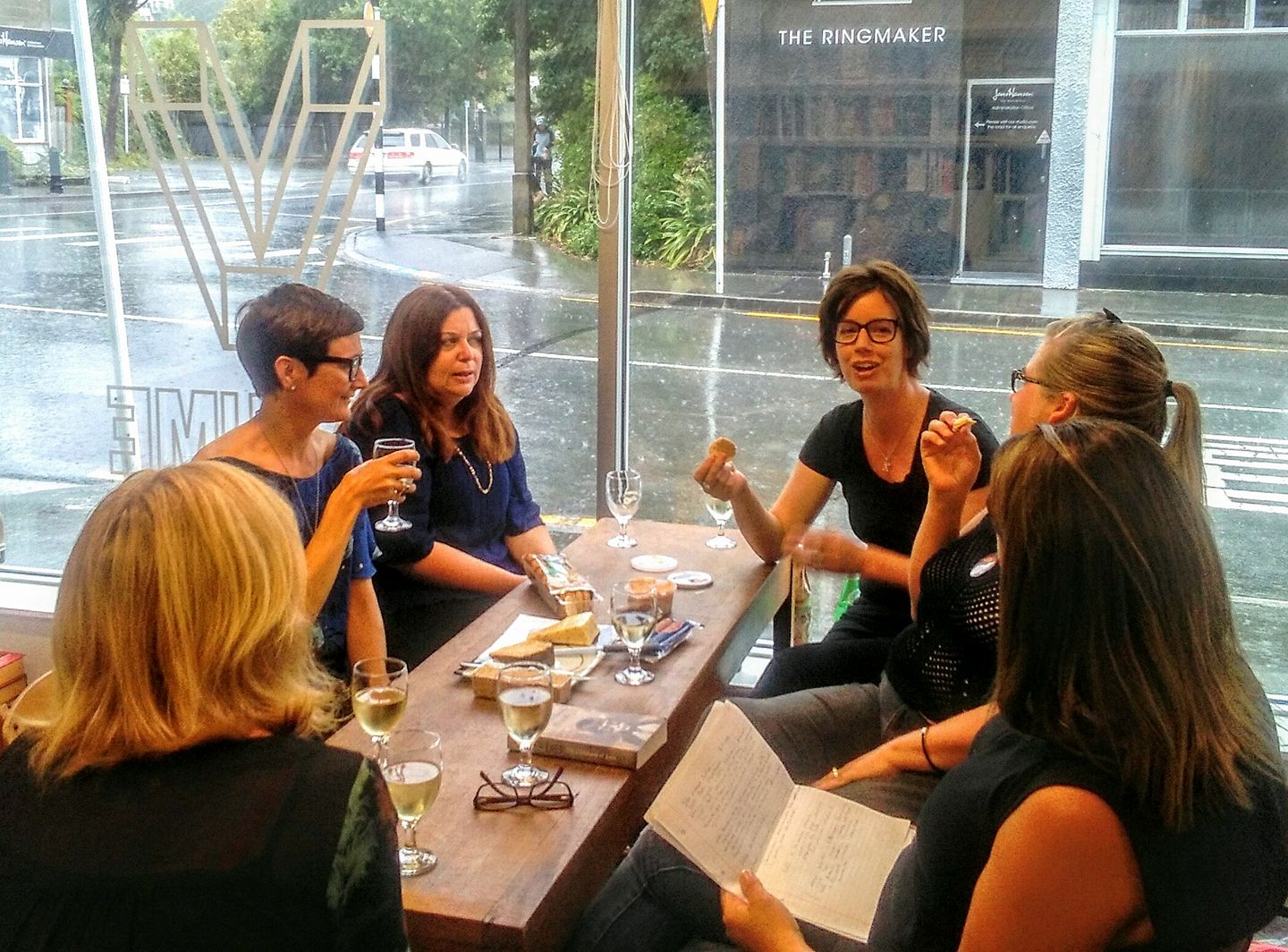
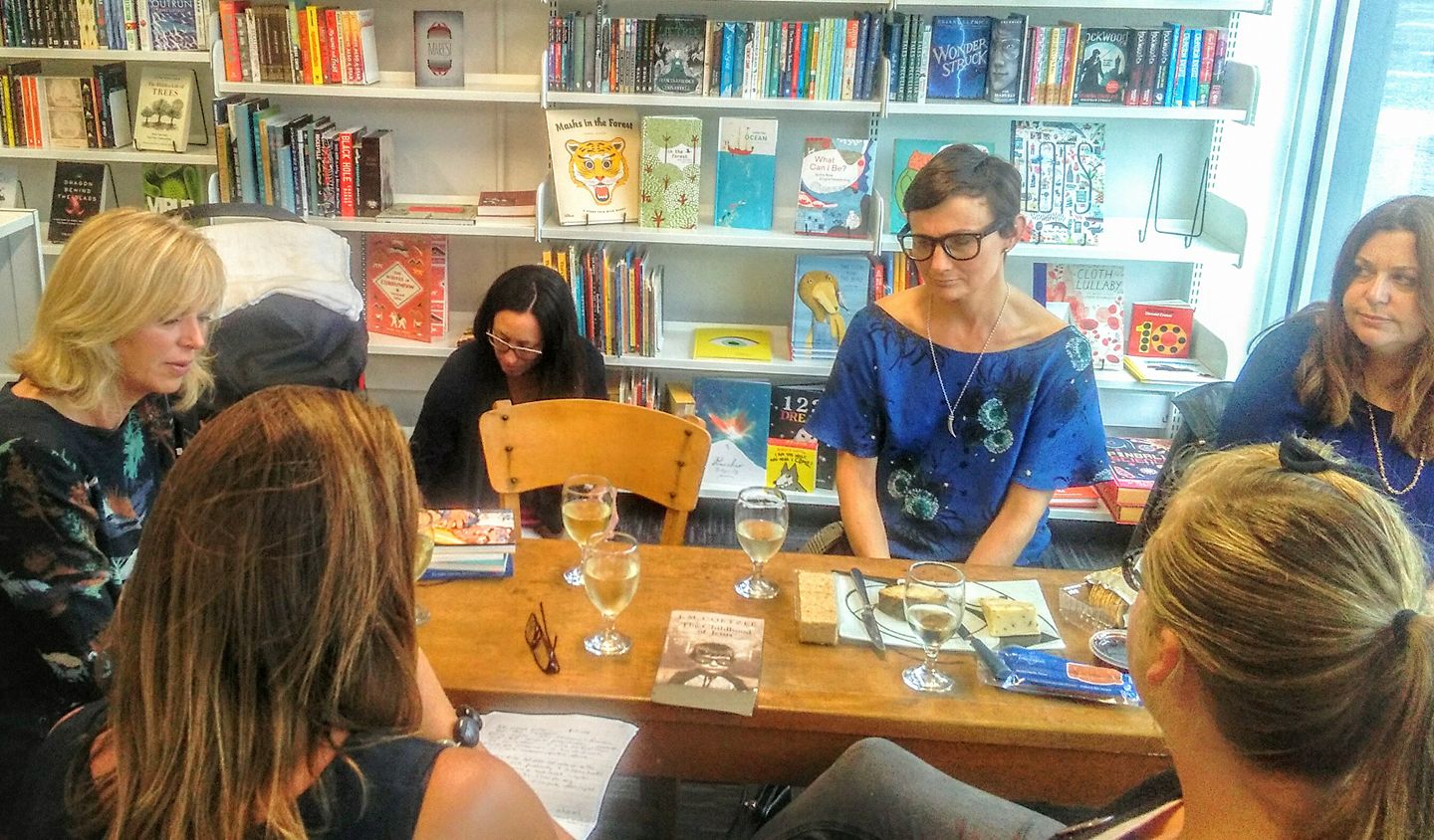
Day 2 bookclub was held at Volume, on Church St in Nelson – a fabulous independent book store – THANKS Thomas and Stella 🙂
The Bell Jar – Sylvia Plath
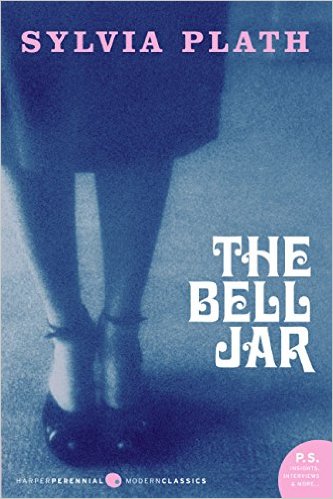
READ FOR TEN YEAR BOOKCLUB REUNION
Chosen by Suzy
Plath’s shocking, realistic, and intensely emotional novel about Esther Greenwood, a brilliant, beautiful, talented, and successful woman who is falling into the grip of insanity.
… because wherever I sat—on the deck of a ship or at a street café in Paris or Bangkok—I would be sitting under the same glass bell jar, stewing in my own sour air.
◉ “I came to this novel fairly fresh, with very little prior knowledge of the author or plot. Obviously I’ve been hiding under a rock! I read the novel not knowing the events of Sylvia Plath’s short and tragic life so the research was a real revelation for me. The themes of sexuality, repression, family ties and mental health are as relevant today as they were back then. A completely devastating read at times, but for me it was ultimately an uplifting story which I will be recommending to my daughter in a few year’s time. My favourite lines in the novel: “I took a deep breath and listened to the old brag of my heart. I am, I am, I am.” – Suzy
◉ “I read this book when I was about 13 or 14 and took it as a token and a right of passage. Upon re-reading it as a 30-something year old mother my sympathies and feelings have shifted. The book now is more devastating and less exhilarating. RIP Sylvia Plath.” – Sophia
◉ “What stood out to me in this book was the oppressive society in which Ester Greenwood (and Sylvia Plath) lived. The expectation that Ester would confirm to societal “norms” was poles apart from her desire to be her own woman and in the 60s, as we all know, this opposition was a view held by many women. It was desperately sad what Ester (and Plath) went through in regards to their growing depression, but what great bravery to put this to paper at this time in history. A life altering book that reminds me what our forebears challenged in order to create change.” – Rachel
—–
Published 1963
Heinemann
244 pages
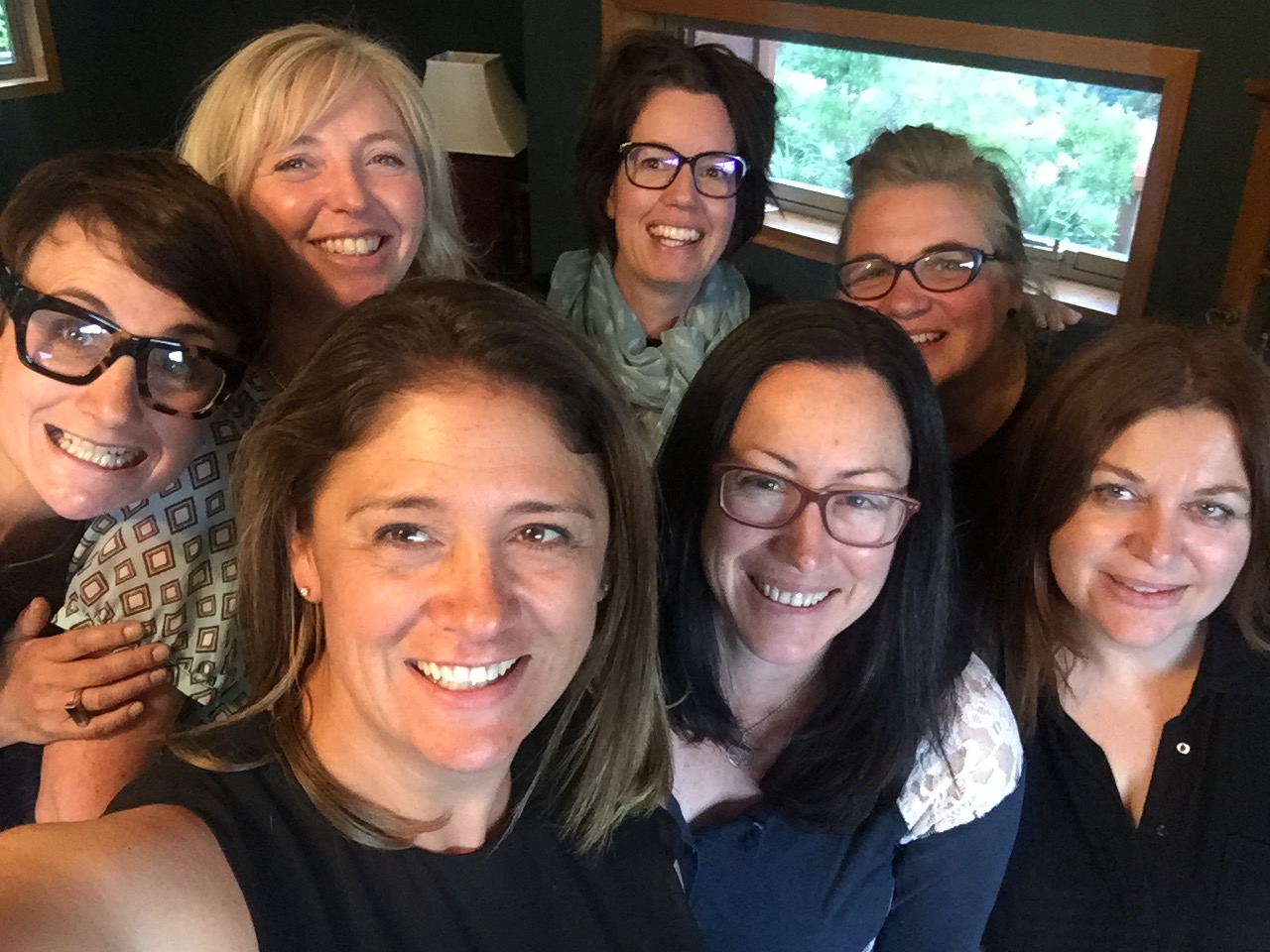
A selfie from evening 1 of bookclub reunion:
Back row L-R: Sonya, Nicole, Suzy, Sophia
Front row L-R: Rachel, Jo, Nadine
Absent: Becks, Ros

We're
currently
reading
 The Free-Range Bookclub
Recent Comments