The Free-Range Bookclub
Bookclubbers without boundaries in Nelson, New Zealand
The Correspondent – Virginia Evans
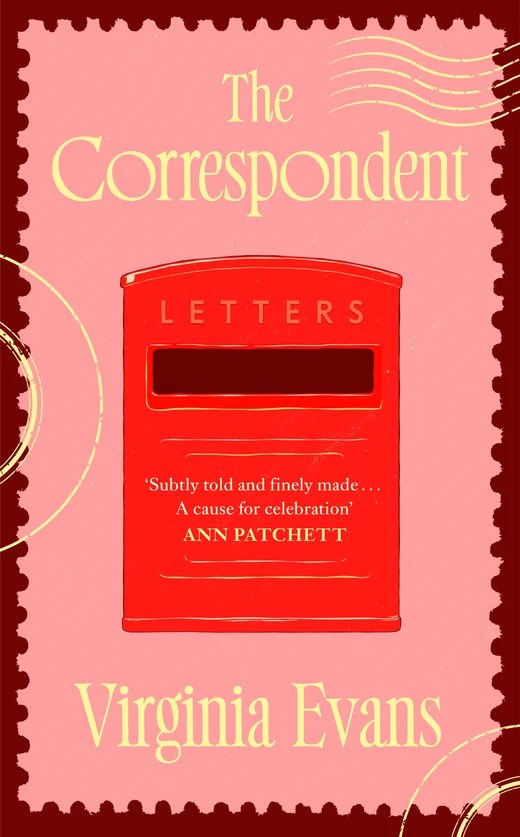
READ FOR WOMEN’S PRIZE
Sybil Van Antwerp is an elderly former lawyer whose life is revealed through letters and emails to family, friends and acquaintances. When someone from her past reappears, Sybil is forced to revisit a painful period in her life. Through her correspondence, the novel explores ageing, grief, family, forgiveness and regret, and the ways our understanding of the past can change over a lifetime.
Imagine, the letters one has sent out into the world, the letters received back in turn, are like the pieces of a magnificent puzzle, or, a better metaphor, if dated, the links of a long chain, and even if those links are never put back together, which they will certainly never be, even if they remain for the rest of time dispersed across the earth like the fragile blown seeds of a dying dandelion, isn’t there something wonderful in that, to think that a story of one’s life is preserved in some way, that this very letter may one day mean something, even if it is a very small thing, to someone?
RACHEL
● I’m not a fan of epistolary novels. I find letters a bit of a cop out, used as a replacement for writing ability. And I find things are unrealistically over explained because there is no narrator to provide back story. For example “I came to your house on the weekend, we had shepherd’s pie for dinner and three glasses of wine and then I told you all about the affair” (not a quote from the book, couldn’t bear going back to find an example). This is not how people write letters. I’m pretty sure the receiver knows the sender came for dinner, they ate shepherd’s pie, drank wine and talked about the affair.
I was on the back foot from the outset with The Correspondent and events such as these didn’t endear it to me at any time.
It sounds strange but I felt like the characters were characters. At no time did they feel real to me and I did not feel connected to them, even when tragedy struck. Which is a shame, because the plot is full and well constructed with interesting twists, revelations and interconnected threads, but the format made it feel like the mechanics of the storytelling were visible. I want to get lost in a story and have to piece together the truths and lies, not be able to see how its been constructed and have the unreliable narrator so exposed. If this book had been presented in a more traditional format, where the author had the ability to build and layer emotional impact, it could have been a me type of book.
Published 2025
Crown Publishing
285 pages
How To Paint A Nude – Sam Mahon

A local artist and a Belaruisan refugee meet regularly at a Christchurch cafe to discuss life, art and politics.
A priest once told me that we fall in love with people with whom we have wounds in common, that in caring for them we’re really nurturing ourselves […] I have often wondered if my respect for Gregor was this narcissistically simple. I like to think it was the other way round, that he saw the gaps in me and sought to fill them with his excess of optimism.
RACHEL
● To truly form an opinion on this book I feel it is important to know a bit about the author. Sam Mahon is a sculptor and visual artist who has been creating works for more than 50 years. This is his fourth book, one in which he has centred on himself.
Set in pre-earthquake Christchurch, the novel follows an artist named Sambo (Mahon) who meets regularly with a new acquaintance at a café to exchange snippets of their life stories. The companion is fellow artist Gregor Kerensky, a Belarusian refugee who has relocated to New Zealand. Sambo says that these meetings “helped me rediscover to some extent my purpose and intent.”
The book is illustrated with Mahon’s own pencil portraits, and the cover artwork is attributed to the fictional Gregor Kerensky.
The narratives primarily explore the role of art and its place in everyday life, moving into discussions of art as political and its potential for activism. There are recognisable moments from Mahon’s own life, including sculpting a Government Minister with his pants down out of cow dung, suggesting many/all of Sambo’s actions and thoughts are autobiographical. Though many artists, works, movements and moments of significance are referenced it doesn’t feel like a universal view of the New Zealand art scene, rather a distinct and individual perspective.
While the book is well-written I found it a bit pretentious, deviating away from fiction and into a catalogue of the author’s artistic achievements and political interventions. Rather than inviting me into the story, it left me feeling like I was being asked to admire Mahon’s legacy. I also did not like his disparaging comments about women. Imo 1985 by Dominic Hoey would have been a more deserving shortlistee.
Published 2025
Ugly Hill Press
All Her Lives – Ingrid Horrocks
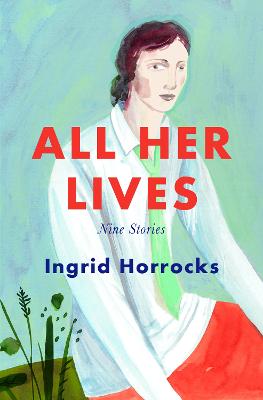
READ FOR NZ BOOK AWARDS
All Her Lives is a collection of nine linked stories about women throughout the ages who have battled, persevered and instigated change, and whom are finding their place in society.
Did homecoming have to be this, too? Being outside, the sky turning velvet above the brims of the mountains, nothing moving but the water and the night birds, a couple of bleating sheep – and a sudden noise conjuring fragments of flesh, shattered faces. Mud. Stench. Homecoming was remembering a man with a bullet in his chest and his eyes on your face. It was pulling a wound closed, stitching two layers together and hoping it would hold, new skin growing into old.
RACHEL:
● All Her Lives begins in 1919, post war and post the flu epidemic, with Evie, a nurse returning from war to resettle in rural New Zealand. And it ends with a story set in the “now” post the Covid epidemic and amid climate change reaction. Inbetween we meet many interesting women such as Truby King, the founder of Plunket, and author Mary Shelley’s mother, as well as everyday, ordinary women living their lives in New Zealand and internationally.
The stories are human, but also political, historical and environmental. Many include factual elements and Horrocks provides an extensive afterward about the real events that influenced her stories. These include the flu epidemic, Plunket, the Karitane Hospital, women’s suffragettes movement, bombing of the Rainbow Warrior, 1981 Springbok Tour and the influence of NZ women on local architecture.
The links between the stories are not overt but enough to feel that they belong together. I liked that they were lengthy (for short stories) so weren’t over in a flash and gave me more time to get to know everyone and feel connected to them.
Published 2025
Te Herenga Waka University Press
272 pages
Hoods Landing – Laura Vincent
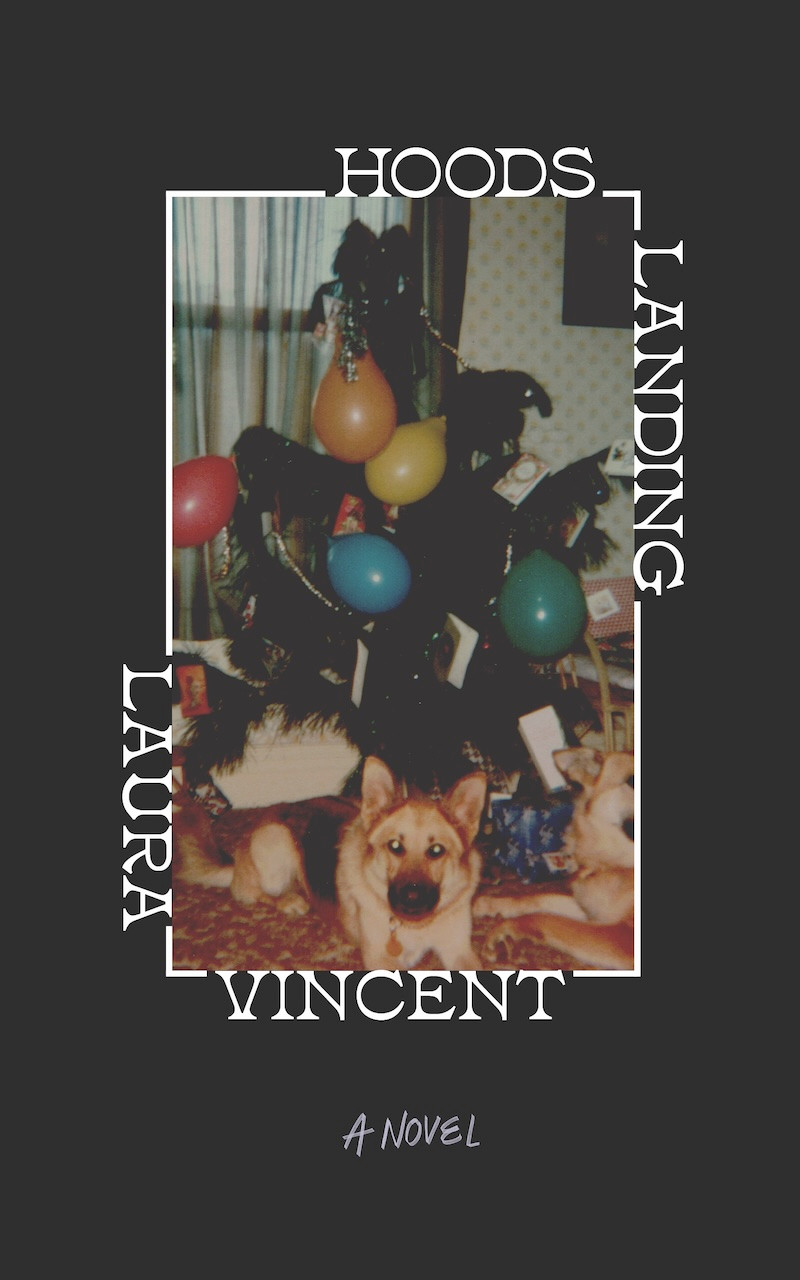
READ FOR NZ BOOK AWARDS
In the rural reaches of Auckland, the women of the eclectic Gordon family gather for Christmas. Rita, the 50-year-old baby of the family, is planning to tell them she has cancer. Drifting between past and present, she considers the lives of women in their community and reckons with what it all means for her future and her family.
RACHEL:
● Hood’s Landing centres on Rita Gordon and her sprawling family over a celebration near Christmas for their matriarch’s birthday. Rita plans to reveal her cancer diagnosis but keeps delaying while the day’s events, arguments and memories get in the way. The whanau discuss the present and remember other influential women in their family and community, many of whom have also had cancer. It can be a bit sad reading about many deaths, but the large family and their ongoing love/gossip/bickering/laughter adds much life. Reading the book felt like sitting in a lazy boy in the corner of the room watching the conversations take place and observing the reactions at surprise events.
There is a strong focus on females as the support networks of families with male characters relegated to the periphery. Whakapapa, belonging, Māori identity, spirituality and inherited grief influence the group’s discourse.
This is Laura Vincent’s (Ngāti Māhanga, Ngāpuhi) debut, which makes me look forward to anything else she might write.
Published 2025
Āporo Press
256 pages
Girls Against God – Jenny Hval
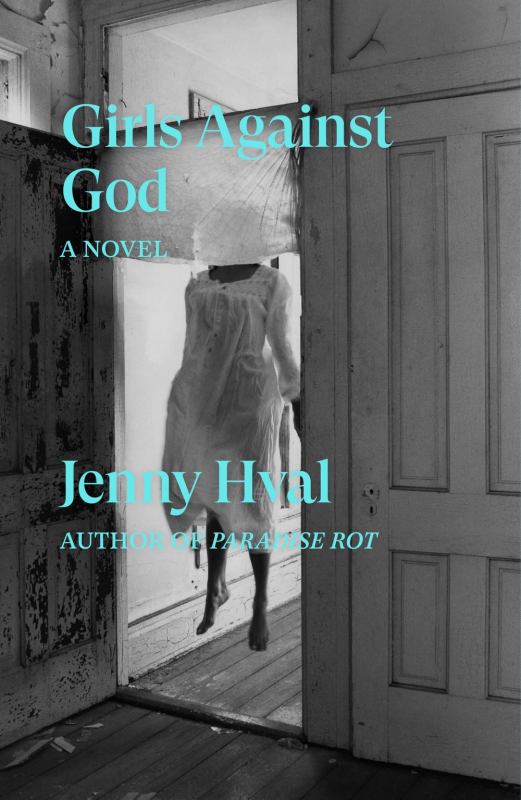
READ FOR BOOKCLUB
Chosen by Rachel
Described as a radical fusion of feminist theory and experimental horror, Girls Against God is a stream of consciousness narrative on censorship, magic, gender, art and rebellion against power systems.
I don’t know why I feel I have to be able to justify my actions … maybe it’s because it’s important to me that what we do should mean something, that language should be able to find different strategies and be something other than a machine for shame and denial … that we have to find society’s boundaries and transgress them in as many ways as possible, that we must highlight, study, analyse them, all the way down to the even the most low-minded crap.
Click the arrow to read each person’s full review
RACHEL: provocative new way of looking at the female coming of age experience — philosophical, political, grotesque and radically feminist — enjoyed the way conventional thinking was challenged 3.5⭐️
Girls Against God follows an unnamed narrator who grows up in 1990s Norway amongst strict Christian conservatism. She feels alienated and angry, and is drawn to black metal, gothicism and taboo ideas as a way to rebel and define herself. It is an abstract, stream-of-consciousness novel and I found it a provocative new way of looking at the female coming of age experience. It moves between topics like art, language and religion and more visceral ones like menstruation, pornography and bodily functions as the narrator and her friends replace religion with ritual, music and “witchcraft” ie collective identity. As the book progresses the boundaries between imagination, art and reality become increasingly surreal, with women imagined and real violently confronting the forces that seek to control women.
The multi genre book is philosophical, political, grotesque and radically feminist. Everything is vividly portrayed and deliberately provocative to make a point. I found parts uncomfortable or baffling to read but ultimately was happy to ride the wave of the main character’s meandering mind. I enjoyed the way conventional thinking was challenged and stopped often to underline beautifully written prose or to ponder the author’s controversial ideas and metaphorical intentions. I guess the book felt like a study project as well as a unique reading experience and I was okay with that.
JODIE: interesting in concept — deliberately trying to shock or unsettle the reader — ended up DNFing 1⭐️
I picked up Girls Against God but ended up DNFing it because I found it really hard to follow. The stream-of-consciousness style made it feel quite scattered, and I struggled to stay grounded in what was actually happening. That said, once I realised that was the intention, I could at least appreciate what the author was trying to do on a stylistic level. The book leans heavily into a very direct, almost confrontational feminist perspective. At times it felt a bit hard-nosed, like it was deliberately trying to shock or unsettle the reader rather than ease them into its ideas. I can see how that approach might resonate with some people, especially if you enjoy experimental writing, but for me it made the reading experience more frustrating than engaging. Interesting in concept, but not one I connected with.
SALLY: a bleating form of feminism — controversy does not equal quality — neither enjoyed nor understood 0⭐️
I neither enjoyed nor understood this book. I put it down halfway through with the intention of not finishing it. I ended up skim reading the second half only because it was a bookclub book and I had the guilts. As a stream of consciousness novel, there is no plot to follow. The main character is a particularly angry young woman, although from what I could see she is doesn’t have much to be angry about. The text is heavy with descriptions of bodily fluids, functions and orifices, sometimes surreal, sometimes real. There was so much of this content that it began to lose its impact or significance (although I’m still not sure what half of it was meant to signify anyway).
It has been suggested that this book is a feminist manifesto. Seriously? Well, it missed the mark with 4 out of 5 feminists in our book group. If this is feminism, it is a bleating form of feminism to which I do not subscribe. Complaining that female nudes in classical art are subjugated is just ridiculous. In the book, Munch’s painting “Puberty” is a particular problem for the protagonist. I’ve had a look at that painting and it does feel awkward. That’s how puberty feels. Munch got his message across perfectly if you ask me. Nudes of both genders have traditionally been the bedrock studies of artists in all metiers from the dawn of time, and that’s because the human form is to be celebrated.
You can probably tell I got really irritated with the character (and by extension the author) at this point. Apparently, Hval knew she risked incomprehensibility and controversy with this book. For me, controversy does not equal quality and what’s the point of a book no-one understands? I would not recommend this book to anyone.
BRIDGET: no real story line — distorted, overly exposed or pixelated and never fully developed — did not enjoy 1⭐️
Personally, I had mixed feelings with this one. I enjoyed some of the writing but not the narrative. I did not understand most of this book or pick up on any of the symbolism of which I am sure there was a lot. There was no real story line, instead it jumped about and always went off on some weird path that inevitably produced some sort of virginal orifice that would ooze out some form of black substance or excrement would be smeared somewhere. The location is the same as the narrative, distorted, overly exposed or pixelated and never fully developed. The only thing that did surprise me was that labia was only mentioned once! I did not enjoy this read.
TESSA: Hval aiming for something bold and confrontational — book’s tone felt intensely angry — more draining than rewarding 1⭐️
I found Girls Against God a very difficult novel to get through. Despite pushing myself to finish it, the experience never became any easier or more engaging as I went along. Several times I came close to giving up altogether. I struggled to connect with the narrative, the characters, or the ideas in a meaningful way. The book’s tone felt intensely angry throughout, which, rather than drawing me in, made it hard to stay invested. While I can see that Jenny Hval is aiming for something bold and confrontational, it simply didn’t work for me. In the end, I didn’t enjoy the novel at all and found it more draining than rewarding.
Published in Norwegian in 2018
Translated into English by Marjam Idriss in 2020
Verso
240 pages
The Last Living Cannibal – Airana Ngarewa
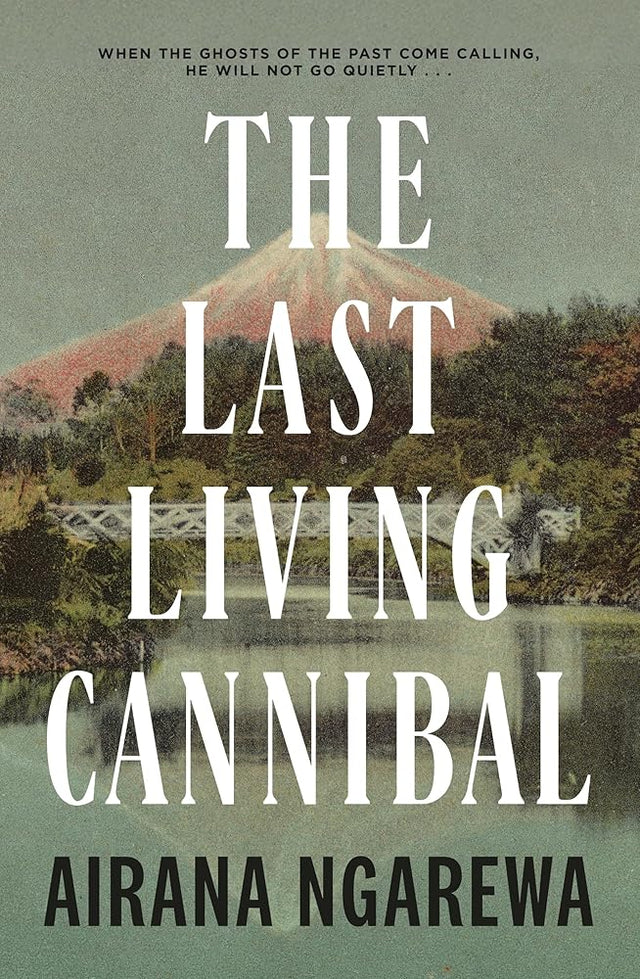
READ FOR NZ BOOK AWARDS
Set in the 1940s Taranaki, The Last Living Cannibal is narrated by an old man, Koko, from both the present and afterlife. It examines muru or the restoration of balance within an iwi or community, and is put to the test when a group arrive at Koko’s tangi to claim both the body and a grandchild.
We came from a long tradition of warriors. Righteous and covetous … Back in my day we had a clear enemy. Someone we could point to. Swing the thick end of a taiaha at. No-one nowhere in this country had warred as we warred against the Queen and her soldiers.
RACHEL:
In The Last Living Cannibal Ngarewa (Ngāti Ruanui, Ngā Rauru, Ngāruahine) investigates muru, a process of restorative justice undertaken traditionally on a Marae. The book informs us that “muru is not revenge. Muru is about balance. You put your hands on one of theirs and they had every right to take from you and yours whatever they meant to take, short of a life.”
Via lengthy family conversations, interactions and complex dynamics it examines topics of incarceration, trauma and survival by exploring how people carry inherited pain. The characters have lived through Parihaka, land wars, wrongful imprisonment and family trauma and it stays with them even into the afterlife.
Ngarewa builds a world that draws on both myth and history, grounding it in a distinct sense of place. Descriptions of the natural environment reinforce the NZ setting. The writing is empathic as it confronts the brutalities of history and the choices that keep repeating through generations. It was an emotional and educational read.
Published 2025
Moa Press
290 pages
Before The Winter Ends – Khadro Mohamed
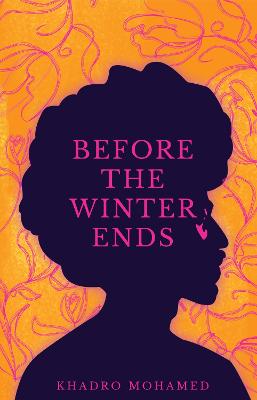
READ FOR NZ BOOK AWARDS
Set during a cold Wellington winter, Before The Winter Ends explores the immigrant experience via Omar, a teen whose grades are slipping and is losing connection with his best friend, and his mother who recalls her life two decades earlier in Mogadishu, trying to build a life amidst political conflict.
His mother didn’t think he looked good at all. She thought the afro was too outdated – that it drew too much attention to them whenever they went out. It was problematic, Omar thought, especially since his hair was just naturally like this. He didn’t style it or anything … Omar had to stop himself asking why she admired his father’s afro in the blurry photo she kept in the corner of her mirror.
RACHEL:
The main character in this novel is Omar, a young man who is stuck between worlds in identity, appearance and language. He never feels completely at ease as he studies at university, cares for his struggling mother and relies heavily on his friend Nick. After familiarising ourselves with Omar and his struggles to fit in in Wellington, the novel then heads back to the ‘90s to understand his mother’s young adulthood set in the midst of conflict. The final chapters return to the present where each character tries to find redemption and hope after some tough life choices.
There is a lot grief, for people lost and experiences not realised. As a Somali New Zealander, Mohamed writes with sensitivity about how displacement and the immigrant experience affect parent-child relationships, regrets, traditions and faith, and details how important language and communication are. This was a emotional read and I really felt for all the characters.
The locations featured, Wellington, Cairo and Mogadishu, mimic Mohamed’s own travels, and it’s clear she is intimate with all three cities. I felt there was a strong sense of place in the descriptions of Wellington with its well-known neighbourhoods and atmosphere at the centre of the storytelling.
Published 2025
Tender Press
288 pages
Dark Matter – Blake Crouch
READ FOR BOOKCLUB
Chosen by Bridget
Physics professor Jason Dessen is abducted into an alternate version of his own life and must find his way back to his own reality. Sci-fi thriller that explores choices, paths not taken, and how far we’ll go to claim the lives we dream of.
We all live day to day completely oblivious to the fact that we’re a part of a much larger and stranger reality than we can possibly imagine.
BRIDGET:
● Dark Matter is a fast-paced sci-fi thriller and love story that pulled me in from the first page. Crouch explores themes of love, trust, and bravery, illustrating how simple everyday choices can radically alter our life paths. I was thoroughly entertained throughout. While the technical nuances of the multiverse occasionally felt a bit dense, and the sheer number of “Jasons” was overwhelming at times, I recognise how vital those elements were to the narrative. The characters are exceptionally well-developed, even the alternate versions of Jason, whose darker experiences made them more ruthlessly determined. This novel made me reflect on my own “what ifs.” Overall, I loved it and highly recommend it to anyone seeking an action-packed read with some mind-bending twists. The ending was spot on.
TESSA:
● I had mixed feelings about Dark Matter. Because I do not usually read much of this genre, I sometimes found it difficult to fully connect with the story. However, I appreciated the way the novel explores ideas such as parallel universes, identity, and the consequences of the choices we make in life. One of the most interesting parts of the book is the idea of “what if?”— what if a single decision had led your life in a completely different direction? This concept made the story thought-provoking and gave it emotional depth.
However, some parts of the book were a bit confusing, especially when the story began dealing with multiple versions of the same character. At times, it became difficult to keep track of what was happening. Toward the end, the story also felt a little too far-fetched for my liking, which caused me to lose some interest in it. Overall, Dark Matter is an imaginative and engaging novel that explores big ideas about identity, choices, and the many possibilities our lives could take. While I did not enjoy every part of it, I still found it an interesting and fast-moving story that fans of science fiction would likely enjoy.
RACHEL:
● Dark Matter is an action-packed sci-fi novel with thought provoking ideas about existence, humanity and consequences. It shows, via a whirlwind trip around the multiverse, how every decision we makes impacts not only our own lives but those of everyone around us. While these philosophical ideas are compelling and even addictive, I found that character development came secondary. The cast functions more as vessels for ideas and transport for plot rather than fully developed characters whom I could care for. This focus on plot created a sense of overt sentimentality in the characters’ interactions, and this was particularly evident in the ending. But the vivid, cinematic scene setting and the relentless twists and turns were enough to keep me gripped and I enjoyed the fast, immersive experience of the book.
SALLY
● I loved this book. Straight out the gate I loved the pace of the writing and the concept of the plot. The prose is snappy and conversational. More than that though, I loved the questions the book raised about the choices we make in our lives, the reasons we make them and then the consequences of those choices. I am usually averse to sci-fi novels, but I think this book appealed because it is mostly set in our world but with visitations from and into a proposed “multiverse”. It took me a double read just before the halfway mark to get my head around the quantum physics which explains the potential for a multiverse but having grasped the general premise, it was back on board for the white-knuckle ride through the second half of the book. I can totally see why they have dramatised it for TV.
Ultimately, I felt this book was about love and ambition. It was about the character Jason Dessen’s journey to regain his wife and child and the realisation that home can be anywhere your loved ones are. I loved that Jason and Danielle, regardless of which version of the universe they were in, recognised that they were soulmates and that Danielle was prepared to take risks on the back of that gut feeling, even if she did not fully understand the world around her. It is also about ambition and how you define success. There were times I was genuinely chilled at the descriptions of the infinite worlds which could exist and the folly of trying to find the perfect one. It made me think of Robert Frost’s poem, The Road Not Taken. I will definitely be reading more of Blake Crouch.
Published 2016
Ballantine Books
342 pages
Love is Blind – William Boyd
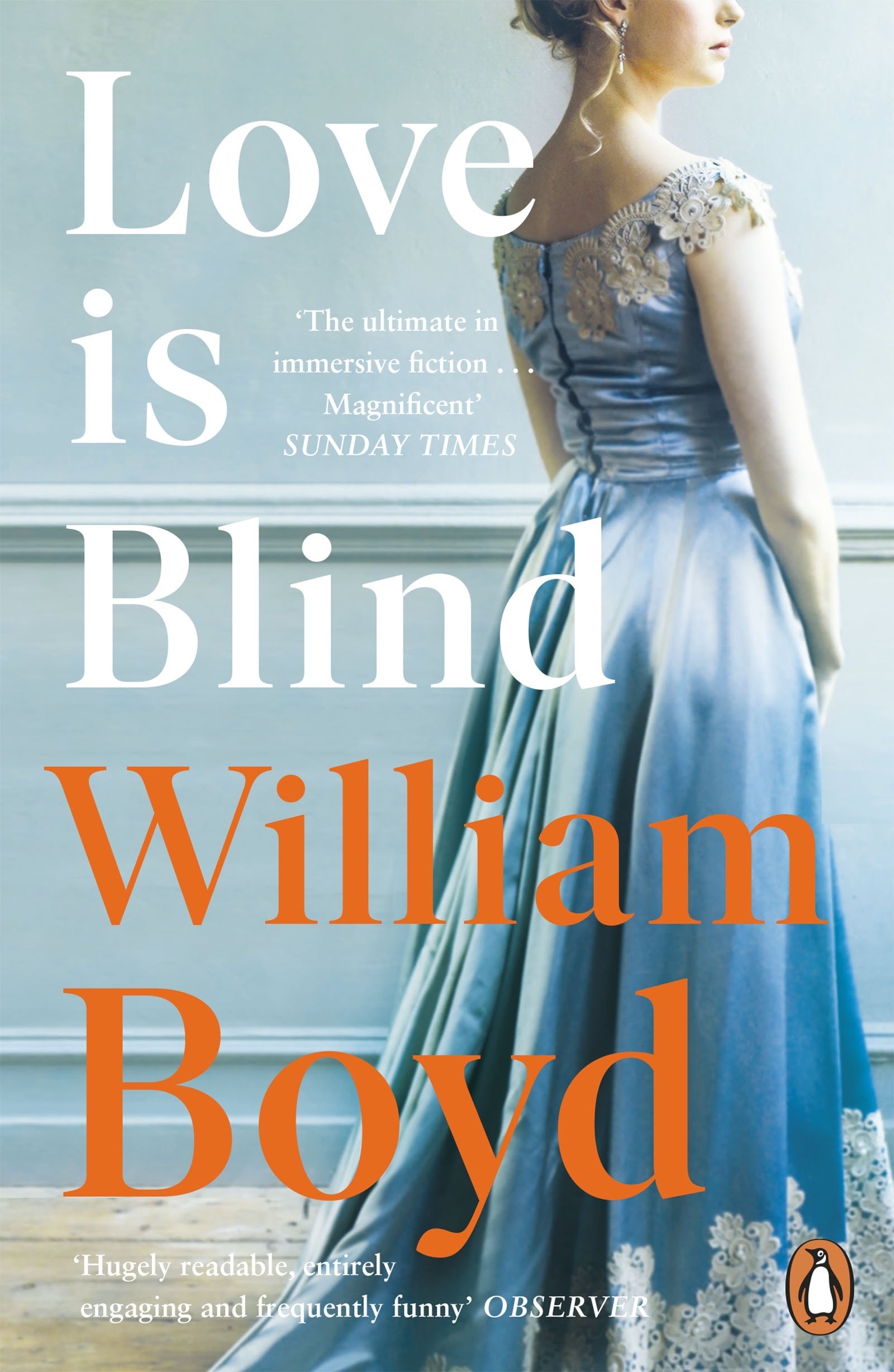
READ FOR BOOKCLUB
Chosen by Sally
Brodie Moncur is a young Scottish piano tuner who moves to Paris for a job and to escape his tyrannical father. There, a fateful encounter with a famous pianist changes his future and sparks an obsessive love affair with a beautiful Russian soprano. Moving between Paris, St Petersburg and Edinburgh in the early 20th century, Brodie’s love and its dangerous consequences pursue him around Europe and beyond.
“Complications. Oh, yes.’ The doctor reflected and then said, ‘I always think a life without complications isn’t really a life, you know. In life things go wrong, nothing stays the same and there’s nothing you can do about it. Friends betray you, family is a nightmare, lovers are fickle. This is the norm, no?’
SALLY:
● This was my choice for book group, having enjoyed some of Boyd’s previous work and wishing to introduce this Scottish author to my book group friends.
The book is in the style of others that I have read of his, in that it follows the life of an everyman character throughout whichever period of history and setting Boyd has chosen. He is meticulously researched and drills down into the minutiae of his characters lives as well accurate historical fact. He frequently blends real life characters into the plot with his fictional characters. Boyd himself has written “It’s the haphazard, rollercoaster of a life that is the key in the whole-life novel rather than a particular plot, theme or central relationship. Everything is grist to the mill for such novels, and this is what distinguishes the type.”
The story of Brodie Moncur’s life and undimmed love for Lika flows from Scotland to Paris, St Petersburg, Trieste and finally the South Pacific. Whilst I could be persuaded by Brodie’s emotion for Lika, I was never fully convinced of her’s for him, and I had a mild unease throughout the book that she was not quite what she seemed. Considering that, I found the ending slightly far-fetched.
Of all the Boyd novels I have read, this one seemed to be the bleakest. Possibly because of the number of betrayals Brodie suffers, possibly because the Scottish settings and characters are so mean (and I say this as a Scot). Happily, this has not put my book club friends off and one at least has read another Boyd subsequently. Mission accomplished!
JODIE:
● Love Is Blind starts strongly, with an original premise and some genuinely interesting detail about piano tuning, which I enjoyed. The early chapters drew me in and promised a rich, atmospheric historical novel.
However, the second half felt drawn out, repetitive, and slow. The drama often tipped into melodrama, without enough emotional depth to support it. Considering the book’s settings – Edinburgh, Paris, the French Riviera – I found the scenes surprisingly underdeveloped. I never gained a strong sense of place, which felt like a missed opportunity. I also struggled to believe in the characters, who seemed thinly drawn. As a result, the ending was anticlimactic rather than moving.
Overall, it’s a good storyline with an intriguing musical angle, but for me the execution fell short of its potential.
TESSA:
● After finishing Love Is Blind by William Boyd, I was left with mixed feelings. On one hand I really enjoyed the setting. Boyd brings to life the world of music halls, touring virtuosi and piano tuning with rich, convincing detail. The precarious livelihoods of musicians, the craft of tuning itself, all of it feels immersive and authentic. The historical backdrop is beautifully realised, and it’s clear how much care has gone into recreating this musical world.
But for me, I found the main characters difficult to warm to and struggled to invest in their relationship. Brodie often feels more like an observer than a fully realised emotional presence, and Lika remains frustratingly elusive. Overall, it felt muted and somewhat disappointing and the ending struck me as unsatisfying.
RACHEL:
● First of all, I think the cover and title do this book a disservice. It presents as a straightforward romance and, yes, while a love story does sit at its centre, Love Is Blind is more than that. It’s historical fiction, set in Scotland, France, Russia and other European outposts, and is the life story of an ordinary man (as ordinary as a piano tuner who engages in gun-toting duels can be). If you like music and European history, this may appeal to you.
Personally, I had mixed feelings. In hindsight, I appreciated the full life story, but while reading I did not because I kept trying to assign meaning to everything, wondering what purpose each event served. As Sally pointed out at bookclub, some things did not have a higher purpose, they were included simply because these things happen in real life. I suspect I might have enjoyed it more if I had a better understanding of the book from the outset. Ultimately I found it slow to start, some characters frustrating, and the ending a bit ridiculous. Though I did enjoy some of the mid-book action-packed scenes. Another bugbear was the presentation of women, their descriptions, thoughts and actions. To me it was apparent they were written by a man and I found myself eye-rolling a bit.
BRIDGET
● William Boyd proves himself a remarkably skillful wordsmith in this life genre, where obsession, betrayal, and revenge drive the narrative forward. At the centre of this book is Brodie, a man who finds himself betrayed by his employer and the woman he loves. Brodie is a pleasant enough character but I found I him, at times, weak and I really wanted him to make better decisions. I felt Lika, Brodie’s love interest, could have been more fully developed. Her elusiveness creates a sense that she is never entirely present, always holding something back. Perhaps that intentional distance is essential to her character, but it still left me wanting a deeper connection to her.
I was disappointed with the conclusion, it felt a little undercooked and I found myself wishing for something with a bit more of a punch to it. Love is Blind was an easy read if not a little boring. I would recommend it to anyone interested in the workings of pianos.
Published 2018
Alfred A. Knopf
384 pages
2026: Timelines
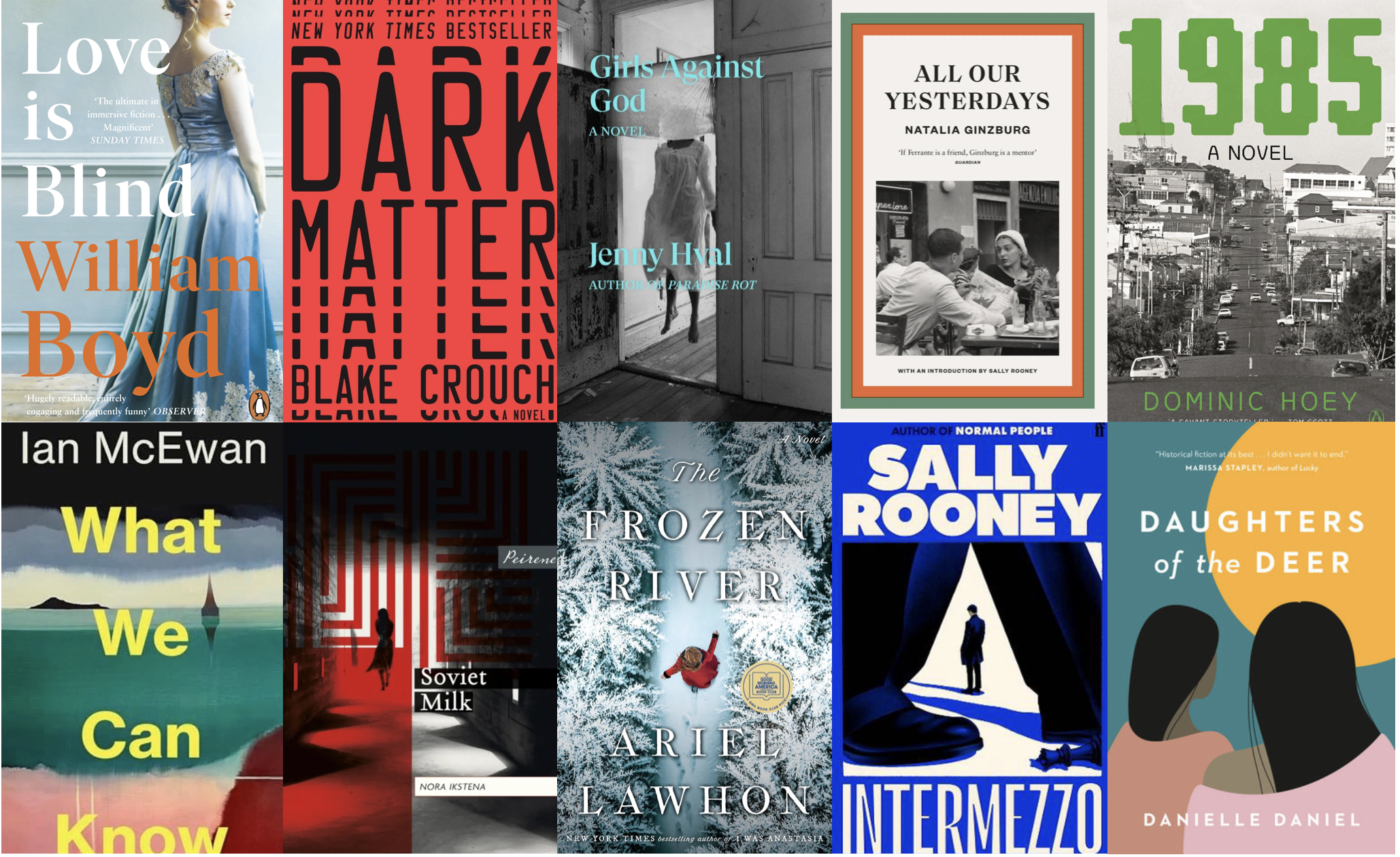
In 2026 we are focused on the intersection of time, or what do we owe the past, and what do we owe the future? We have a new and evolving bookclub that is considerate of the past members and reading history but also focused on how the future will shape up with new personalities and new energy.
This outlook is a unifying lens for the list of books we have chosen because every one of these novels is, in some way, negotiating responsibility across time. Not nostalgia or progress for its own sake, but the uneasy space in between when both the past is having influence but the future is forcing its own considerations on us as readers.
We have books steeped in memory and legacy, others that examine how deeply the past imprints itself on the physical self. What happens when the past is distorted? How does trauma and colonial inheritance influence our current day decisions? What do we carry forward? What do we lay down? Which inheritances are burdens and which are gifts? What happens when future paths are infinite and determined by the paths we abandoned?
In 2026, we read across time. And we invite you to join us on the journey. Here’s our reading list:
Love Is Blind – William Boyd
Dark Matter – Blake Crouch
Girls Against God – Jenny Hval
All Our Yesterdays – Natalia Ginzberg
1985 – Dominic Hoey
What We Can Know – Ian McEwan
Soviet Milk – Nora Ikstena
The Frozen River – Ariel Lawhon
Intermezzo – Sally Rooney
Daughters Of The Deer – Danielle Daniel

We're
currently
reading


Recent Comments