The Free-Range Bookclub
Bookclubbers without boundaries in Nelson, New Zealand
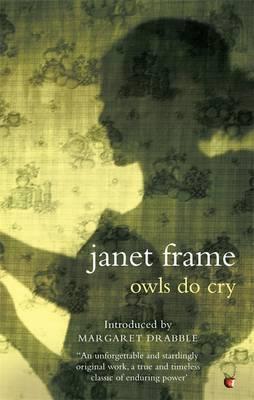
Owls Do Cry – Janet Frame
 READ FOR BOOKCLUB
Chosen by Jo
Owls Do Cry is semi-autobiographical, recounting a character’s – and Frame’s own – time in a mental hospital in provincial, pre-1940s New Zealand. Protagonist Daphne Withers is mute, surrounded by uncaring carers, and begins receiving shock treatment. With poetic structure, the books also an exploration of mental health, poverty and loneliness.
She grew more and more silent about what really mattered. She curled inside herself like one of those black chimney brushes, the little shellfish you see on the beach, and you touch them, and then go inside and don’t come out.
➤ “I didn’t really enjoy large parts of this book as I found the poetic bits very laborious. The story is pretty grim as the family’s characters lead a pretty awful life with some surprising revelations at the end. It uses an original theme (for the time) of incarceration in an asylum and lobotomy. The characters are extremely well developed and very distinct which I really enjoyed and Frame’s satiric narration for one of the characters is class. I appreciated the book more after doing some research and realising there is a large part of Frame’s life represented in the story. A book that deserves to be read again, slowly and savoured.” – Jo
➤ “Despite this being set reading for many NZ school students, I did not read Owls Do Cry until my 20s – and maybe appreciated it more. The social realism that defines Kiwi Lit is apparent, but it’s the rhythmic composition that offsets the sadness of the Withers’ lives that stuck with me on my second reading, so although the book meanders through serious and bleak topics, it does so in a meaningful and poetic way. The feminist undertones make it beautiful and its balladry ensures there are no wasted words.” – Rachel
➤ “I looked forward to sinking into this book. I have not read any other Janet Frame works and was eager to find out what she was all about. Initially I read it with much fervour and found myself sinking into the story, the characters, and the beautiful, almost poetic, prose. However, I made the mistake of not allowing myself enough time to read it at leisure. It is not an easy read, and I really struggled towards the end to do it justice. Owls Do Cry requires some reading ‘fitness’, and I found myself puffing a bit too much and not really enjoying it as result.” – Sonya
—
Published 1957 by Pegasus Press
Re-released 2015 by Text Publishing
170 pages

We're
currently
reading
 The Free-Range Bookclub
Recent Comments