The Free-Range Bookclub
Bookclubbers without boundaries in Nelson, New Zealand
2024: Women’s Prize

Families are at the heart of the Women’s Prize shortlist this year, in particular the role of mothers and daughters who are adapting to personal or societal change. The six female leads in the shortlisted novels have treasured but complex relationships with their families that must be carefully navigated as they attempt to overcome upheaval and strive for better.
Their traumas are inherited or forced upon them by circumstance and we as readers are given the opportunity to examine and understand their pains in ways that hit home hard. Each protagonist exhibits resilience, fortitude and acceptance as they overcome adversity.
The settings in which these characters are placed are either real or carefully crafted as to be identifiable. It’s a shortlist of realism, there is no fantasy, sci fi or magical elements in this year’s shortlist, rather admirable hours of research and the portrayal of experiences lived by the authors. It feels like a deeply personal shortlist this year.
Again, the Women’s Prize attracted us with the focus on the female experience and what a diverse range of women’s experience we were presented with. We may have not bonded with every book on the list, but we appreciate the examination of women’s strength from across the ages and across the world and across a range of contexts.
If we let disaster stand in our way we will never do anything. Every day here is a disaster [Enter Ghost]
● Rachel: I had mixed reactions across the individual titles this year but what I did appreciate about the shortlist as a collection was the respectful treatment of the characters and their plights, for they represent the plights of women everywhere. The authors have furnished their female leads with strength as well as flaws, they have explained societal and familial influences on their lives, they have provided context and accountability for their actions. They have provided them successes as well as failures along with the complexities of personality and lived experiences that shape how we view the world. They have made them seen.
It made me realise how often this respect is not afforded to female characters, and how in fact some authors rely on female suffering for the success of their book. I think this year’s Women’s Prize shortlist will change the way I select books in the future and how readily I DNF!
As far as a winner goes, I’d like to pick a two way tie between Enter Ghost and Brotherless Night. Both were spellbinding, taught me lots and made me feel many emotions. However, I will abide by the Suzy And Rachel’s Women’s Prize Judging Rules which, if they existed, I’m sure would stipulate: no ties for winner. So I’ll back Enter Ghost for the win. But to be honest I wouldn’t mind if any of my top five were to win.
My rankings:
1. Enter Ghost
2. Brotherless Night
3. River East, River West
4. The Wren, The Wren
5. Soldier Sailor
6. Restless Dolly Maunder
Imagine the places you grew up, the places you studied, places that belonged to your people, burned. But I should stop pretending that I know you. Perhaps you do not have to imagine. Perhaps your library, too, went up in smoke. [Brotherless Night]
● Suzy: This shortlist felt strangely disjointed with such divergent subject matters that had us leaping from rural Australia in the 1800s to Sri Lanka in the 1980s.
While there were some great reads the standout for me was Brotherless Night. It was a truly outstanding book that has somehow changed my outlook on so many things. It’s historical fiction at its absolute best.
My rankings:
1. Brotherless Night
2. Soldier, Sailor
3. The Wren, The Wren
4. River East, River West
5. Enter Ghost
6. Restless Dolly Maunder
Enter Ghost – Isabella Hammad
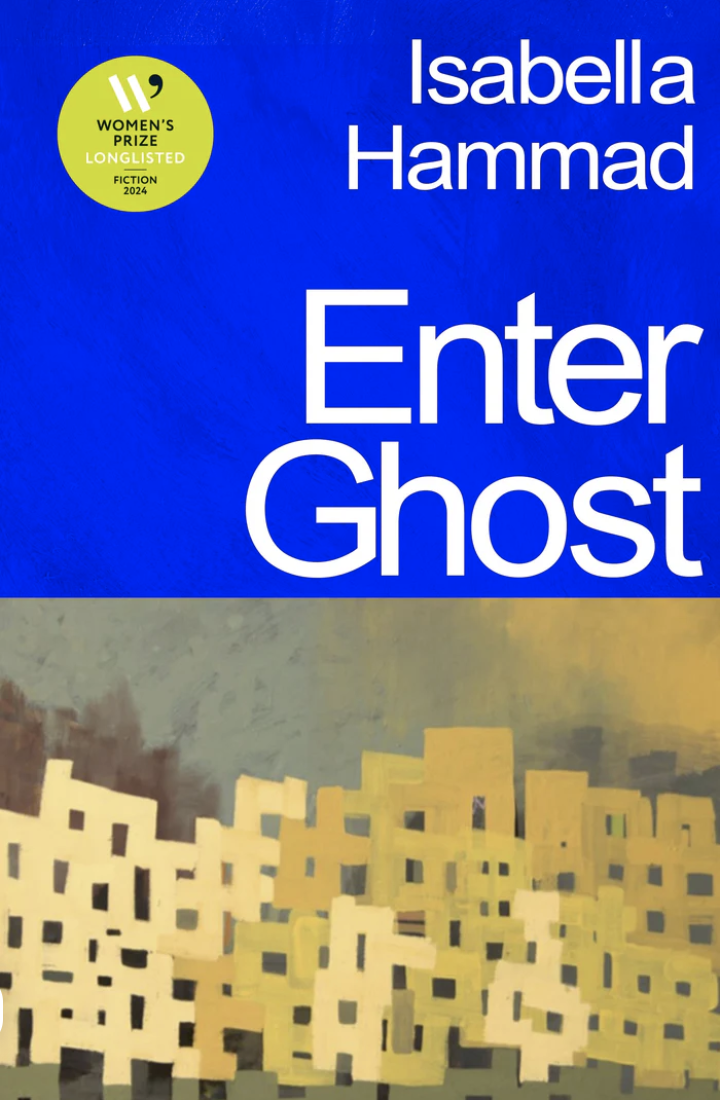
READ FOR WOMEN’S PRIZE
Actress Sonia Nasir returns to Haifa to visit her sister after a relationship breakdown. She is persuaded to perform in an Arabic version of Hamlet amid the violence, highlighting the connection between performance and political protest. At the same time Sonia is navigating ghosts of her own and the country’s, and reuniting herself with Palestine, its past, present and future.
Now the thing about Hamlet specifically is that anyone who plays Hamlet in London, Sonia can back me up here, any Hamlet in London is haunted by all the ghosts of the Old Hamlets, I mean of all the famous actors in the tradition. That’s not meant o pressure you, Wael; in fact, the opposite. Because Wael here is haunted by other things, by things he can’t even express yet, maybe. We are all haunted by a mixture of traditions, events, memories. So I don’t want you to bow down to some grand idea of a far-off English Shakespeare, no as Amin says, Fuck Shakespeare. We’re free to play.
● I found this a captivating story of the beauty of art vs the horrors of war, especially the importance of art, of freedom and expression. Hammad has conveyed how crucial art is to convey political objection when outspoken political statements come at great risk to one’s safety. The characters’ ability and right to act and put on a performance in war-torn Palestine felt like much more than just putting on a play.
The main character Sonia has a see-saw personality. She begins as indecisive and aloof and needing to be led, but by the end she becomes more seen and I was engrossed in her journey. I also enjoyed the author’s diverse presentation of information. The prose and script narrative methods would pull me in close to confide in me, then hold me at arm’s length and let me observe, making me feel like an active participant in the story. – Rachel
● I struggled to engage with Enter Ghost and felt like I was viewing this story through a hazy filter, or somehow was being kept at arm’s length by the author. Perhaps this sense of confusion and nonchalance was deliberate by the author, to help convey the state of the character’s situations but it made for a challenging read for me. – Suzy
Published 2023
Grove Atlantic
336 pages
Brotherless Night – V V Ganeshananthan
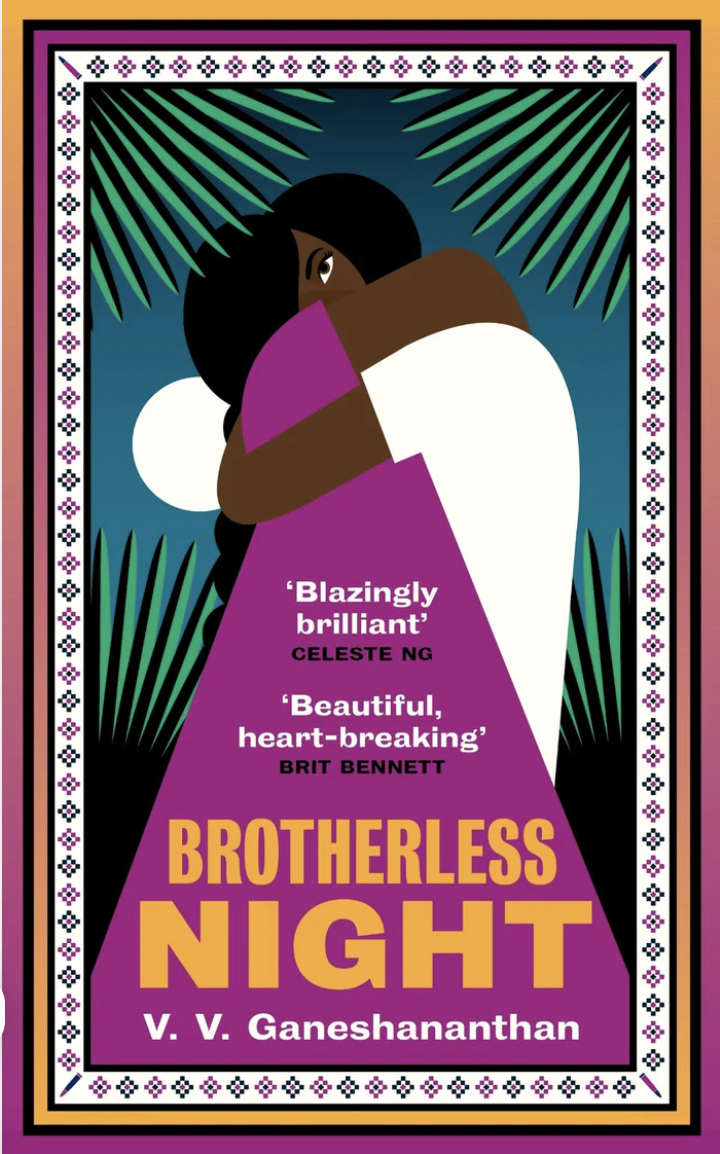
READ FOR WOMEN’S PRIZE
Sashi is a 16-year-old Sri Lankan Tamil with aspirations to be a doctor. Even when civil unrest ensues and her four brothers are caught up in the violence, Sashi still finds a way to help people, at great risk to herself.
I met the first terrorist I knew when he was deciding to become one.
● [Trigger warning: Discusses sexual violence]. Some writers seem to keep the reader at arm’s length and we observe the story that has been created for us. Other authors throw open the front door and warmly invite us into their worlds. Brotherless Night is the latter and the result is both overwhelming and adrenaline-filled. I genuinely feel privileged to have read this very special novel which has approached a terrifying civil war with such strength and nuance.
I would also like to acknowledge the way the author has written about sexual assault. Many authors seem to write these scenes for their own gratification, revelling in the imagined experience of being a sexual violence survivor. VV Ganeshananthan instead conveys the trauma and unrelenting aftermath of sexual violence in war with sensitivity and compassion. – Suzy
● What I came away with after reading Brotherless Night was a deeper understanding of the complexities of civil war. The media often report fractions as good or bad, but Brotherless Night showed me how everyday people get involved because they are desperate to stand up for their families, their communities and their culture. I felt strongly for all the characters and understood the trajectory of their decision making, both rightly and wrongly – though some actions where heartbreaking and difficult to fathom.
V V Ganeshanathan has put all this into a text that is layered, nuanced, plot-filled, character driven and most importantly historically accurate. It’s phenomenal that she can put so much into one story, in a clear concise way. There are many characters but I was never confused about who was who, what their political position was, who their family was and how they had suffered. What’s more the author was respectful of characters’ (and therefore real people’s) trauma, and used restraint and empathy in conveying tragedy. – Rachel
Published 2023
Random House
348 pages
River East, River West – Aube Rey Lescure

READ FOR WOMEN’S PRIZE
Alva is a 14-year-old half Chinese, half American girl with a secretive mother. They live in Shanghai but Alva dreams of a better life in the US. A coming of age, social drama about the impact of western emigration to Chinese society in the 2000s, told through two narratives: Alva’s in 2007, and her step-father Lu Fang’s in 1985.
‘Just a child’, but it wasn’t true. Something broke and suddenly you were no longer a kid. You were out on your own and no one asked questions. No one paid attention.
● The complex layering of this novel was executed beautifully and at times I felt great sadness for a character only to then feel aggrieved by their actions a few chapters along. All characters, for different reasons, were doing their utmost to hustle and better themselves in an environment that was both challenging and alienating, even for those who were a part of it from birth. I appreciated the insight into modern-day China and the necessary wrestling with the past. – Suzy
● River East, River West certainly portrays what it feels like to be stuck in the middle of two opposing worlds. The author, herself half Chinese and raised in Shanghai, has highlighted many important topics such as race, class, culture, alienation and identity without cluttering up the narrative. I enjoyed the plot and the events and always wanted to get back to the story, but had a mixed relationship with the characters. Sometimes I loved them, sometimes I did not, but that rollercoaster of emotion only made me more invested in the outcomes. A book with a satisfying ending. – Rachel
Published 2024
William Morrow
354 pages
The Wren, The Wren – Anne Enright
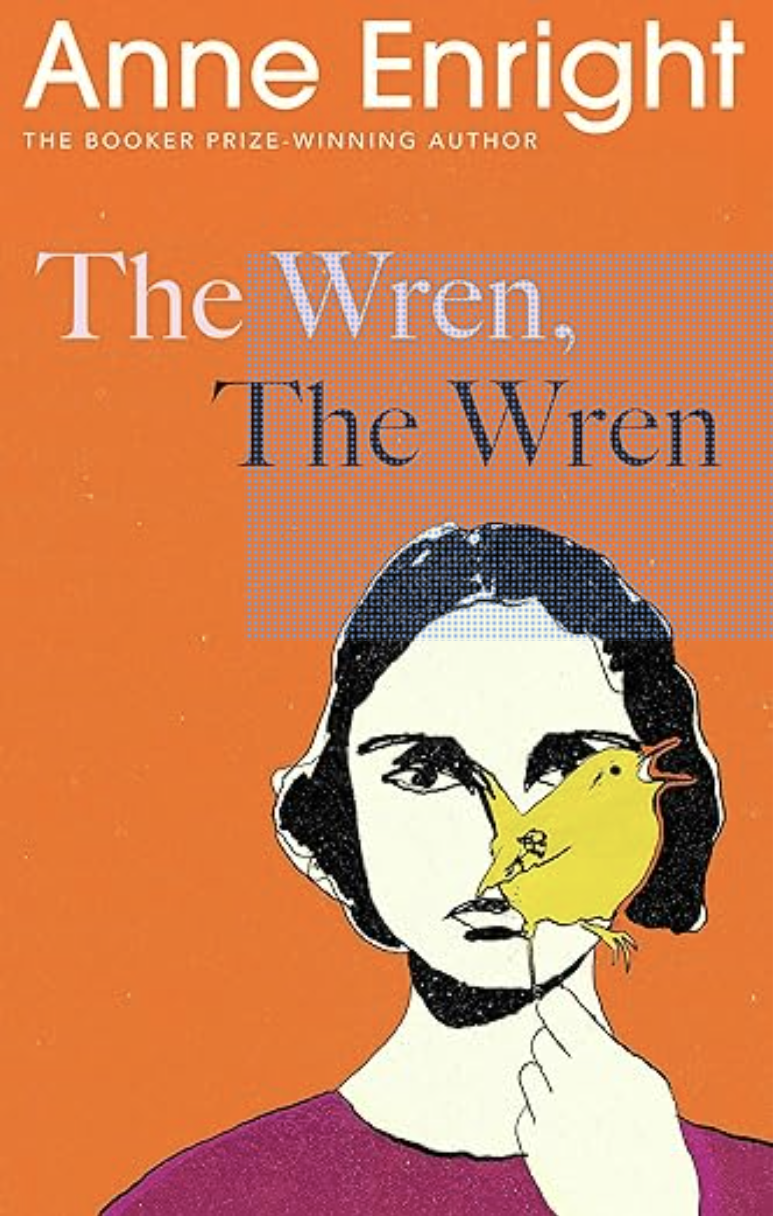
READ FOR WOMEN’S PRIZE
Three generations of women carry trauma brought upon them by the famous poet in their family. Phil McDaragh was a man of beautiful words and brutal actions. Years after his death, his daughter and granddaughter try to find their place in the world and in each other’s lives, carrying their scars with them.
The connection between us is more than a strand of DNA, it is a rope thrown from the past, a fat twisted rope, full of blood.
● My consistent thought throughout this book was ‘Wow Anne Enright writes beautifully.’ Prose, poetry, dialogue, musings on love and life and all the tough topics are presented with much consideration and care. As such the characters and their plights came to life on the page. There is no great plot in this book, which I sometimes pined for, but the characterisation of Carmel and Nell was enough to make me read on in hope there was some resolution for the mother and daughter. – Rachel
● The Wren, The Wren is haunting and and I don’t know how Anne Enright does it, but even the violence is somehow written beautifully. The fraught depiction of the familial bonds is realistic and the generational quest for meaning and belonging is perfectly done. The storyline wavers about and as a reader I often felt a bit lost in the events, but the text drew me in so much I was more than happy to go with the flow. – Suzy
Published 2023
W. W. Norton & Company
278 pages
Soldier Sailor – Claire Kilroy
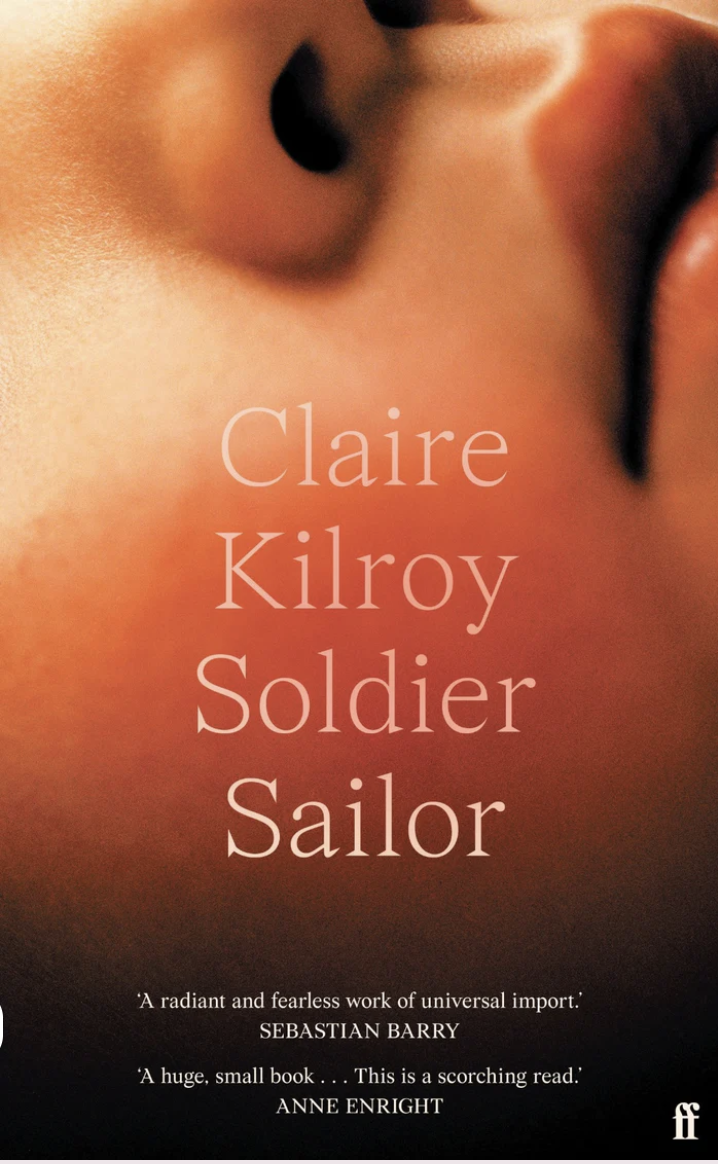
READ FOR WOMEN’S PRIZE
A stream of consciousness narrative from a mother to her infant son detailing her struggles with love, identity and control, and the strains parenthood places on her marriage.
Dawn arrived on Good Friday and with it despair – no sleep but I must face the day. Everything felt weird. Weirder than usual; I hadn’t had an unbroken night’s sleep since you’d exploded onto the scene – I love you, but Jesus wept. If I could just have had six uninterrupted hours to myself maybe none of this would have happened.
● If you haven’t had kids and read this book you may very well think “okay wow, a weeee bit too dramatic”, but this is the most painfully truthful book I’ve read. Claire Kilroy has completely NAILED the manic love you feel for your babies, as well as the enormous unmanageable overwhelm. Everyone should read this before having children, along with Kim Jiyong, Born 1982 by Cho Nam-joo, as both books are the most realistic preparation for parenting you could hope for. – Suzy
● It has been nearly 20 years since my children were infants so I didn’t think I was going to relate to this book. However, in the opening pages Kilroy captures the nuances of new motherhood astutely and many emotions and memories came rushing back to me, in particular the fierceness with which you love and cry and resent but can’t be without. I appreciated that Kilroy was able to make me emotionally connect to the main character so quickly.
The narration is often manic and sometimes there isn’t much of a storyline. But that’s what motherhood is: daily craziness and no life! At various moments of tension I’d think the plot was going to ramp up but, upon reflection, what ended up on the page are the most accurate and appropriate outcomes. I applaud Kilroy for a book of honesty and restraint. – Rachel
Published 2023
Faber & Faber
233 pages
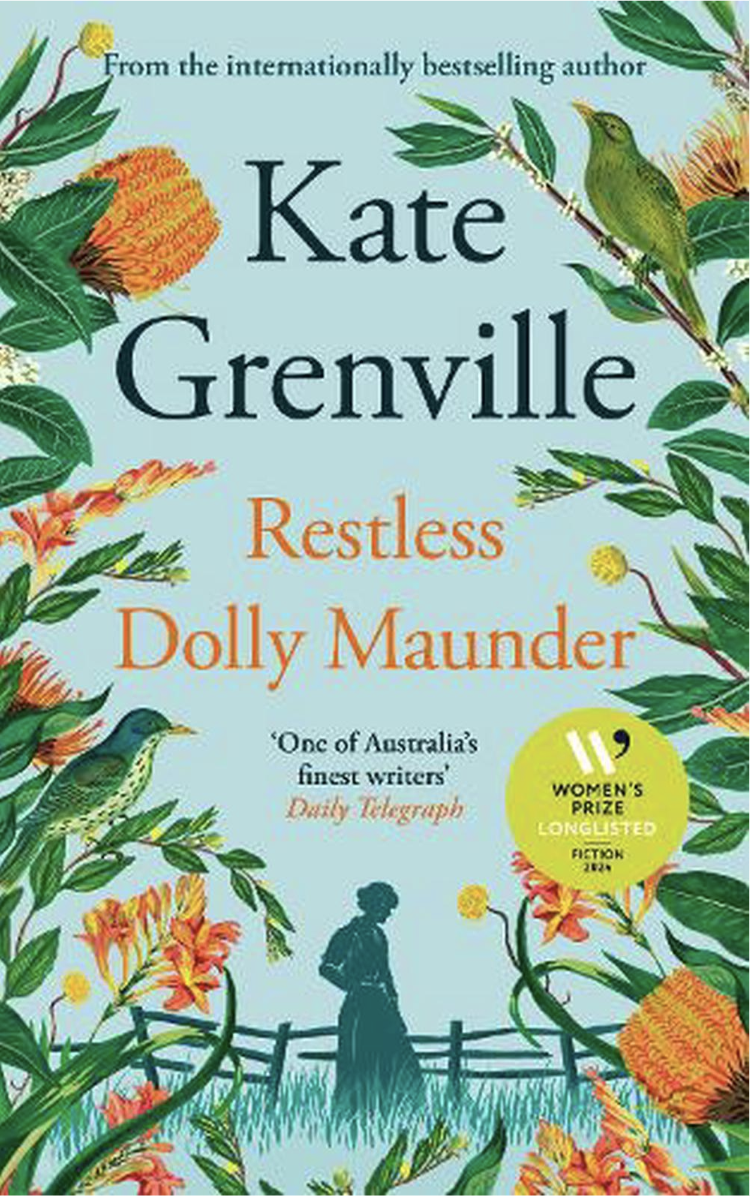
Restless Dolly Maunder – Kate Grenville
READ FOR WOMEN’S PRIZE
Kate Grenville gives life to her grandmother Dolly Maunder by documenting her life in New South Wales at the turn of last century. Her obstacles as a woman of the time and her successes as a strong minded woman are detailed.
She’d never have to know how to read. There was nothing ahead of her except getting married, housekeeping for some man, and having children one after the other.
● Kate Grenville conveyed the challenges and, yes, the restlessness of Dolly Maunder. Dolly was constantly striving for independence and growth, and while her intentions were good it was often at the expense of others. In her quest to better herself and her family, she experienced many recurring frustrations. While this was necessary to highlight the difficulties Dolly faced, it sometimes made for a repetitive read. – Suzy
● I can understand why Kate Grenville wrote this book as her grandmother was a go-getter and a determined business woman of 100 years ago. The book aptly records the challenges women faced in this time and place and it will be an important text in Australia’s and Grenville’s family history. However, I found this work of fiction rather documentary as it doesn’t contain any tension or climax. It’s more a record of events. It’s an easy read and I whizzed through it, and if it was just a read for a read’s sake I’d probably be fine with it. But as it made the Women’s Prize shortlist over the extraordinary Ordinary Human Failings by Megan Nolan I’m being tougher in my judgement of it . – Rachel
Published 2023
Text Publishing
256 pages
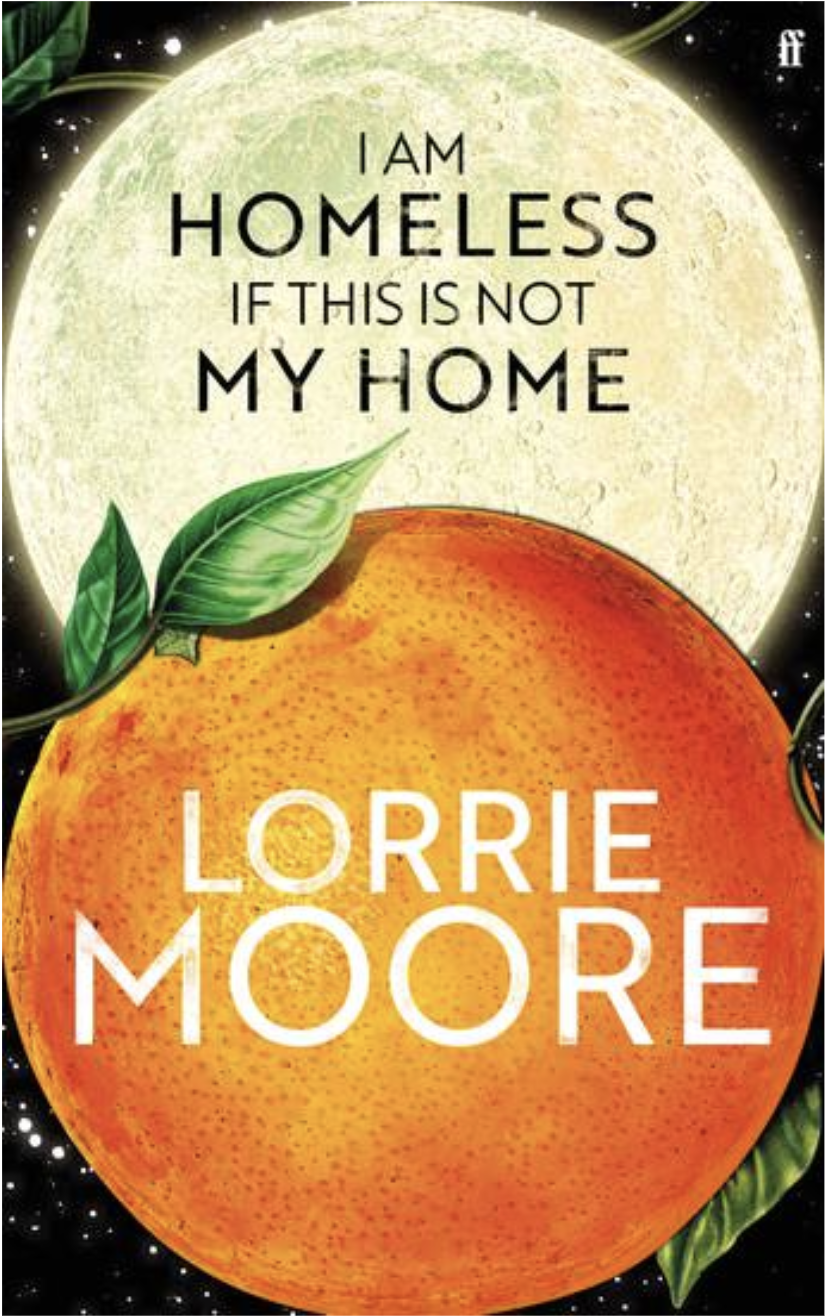
I Am Homeless If This Is Not My Home – Lorrie Moore
READ FOR BOOKCLUB
Chosen by Jo
A tragic-comic ghost story set in the 19th and 21st centuries. I Am Homeless If This Is Not My Home is a story of death and passion via characters who are haunted by the past and history and their loves. They are a man who takes a road trip with the zombie corpse of his ex, and a boarding house ma’am in Post Civil war times writing letters to her sister about a shady character.
The whole Enterprise of Life was snooty and didn’t really want that much to do with death. Death made Life look bad.
● This book initially drew me in with great lines and poignant scenes, especially when Finn was visiting his dying brother Max. I loved the following quote: “Death made Life look bad”. However, the following section, where Finn is on a road trip with his ex’s ghost, became tedious, with endless nonsensical exchanges between the two characters. A lot of emphasis was placed on her decay and I felt like exclaiming “she’s dead! I get it!” The link between this narrative and the other, set in the 19th century, was not obvious and seemed pointless even after researching it further. This was a short book that felt long. – Jo
● It is hard to write up my thoughts on a book that I didn’t really understand. I could explain parts of the book, but in terms of the general storyline I am lost. It’s been a while since I’ve been this bamboozled (and disappointed) by a novel. The one thing that did really stand out is that the main character is a not-particularly-interesting man and constantly hearing about his uninspired musings was tiring. – Suzy
● I Am Homeless If This Is Not My Home is a novel that I just couldn’t connect with. Its themes are of a dark nature – death, grief, mental illness and suicide – and Moore’s attempts at humour in parts didn’t do it for me. I was waiting for the two narratives to come together, which they did at one point, but it was such a small connection it could have been easily missed by the reader. I did enjoy the beginning of the novel but all in all it felt disjointed, lacking in plot and characterisation. – Jodie
● Typically I like unusual/absurdist fiction but it’s fair to say I didn’t know what was going on for much of this book. The brothers reliving moments in a hospital room was sweet; the same brother on a roadie with a decaying, talking corpse was darkly funny; the letters from Eliza to her sister were interesting. But I was constantly trying to find the links between all these parts and wondering ‘what is this book about?’ And I don’t know if my questions were completely answered by the end. – Rachel
Published 2023
Knopf
208 pages
2024 – NZ Book Awards
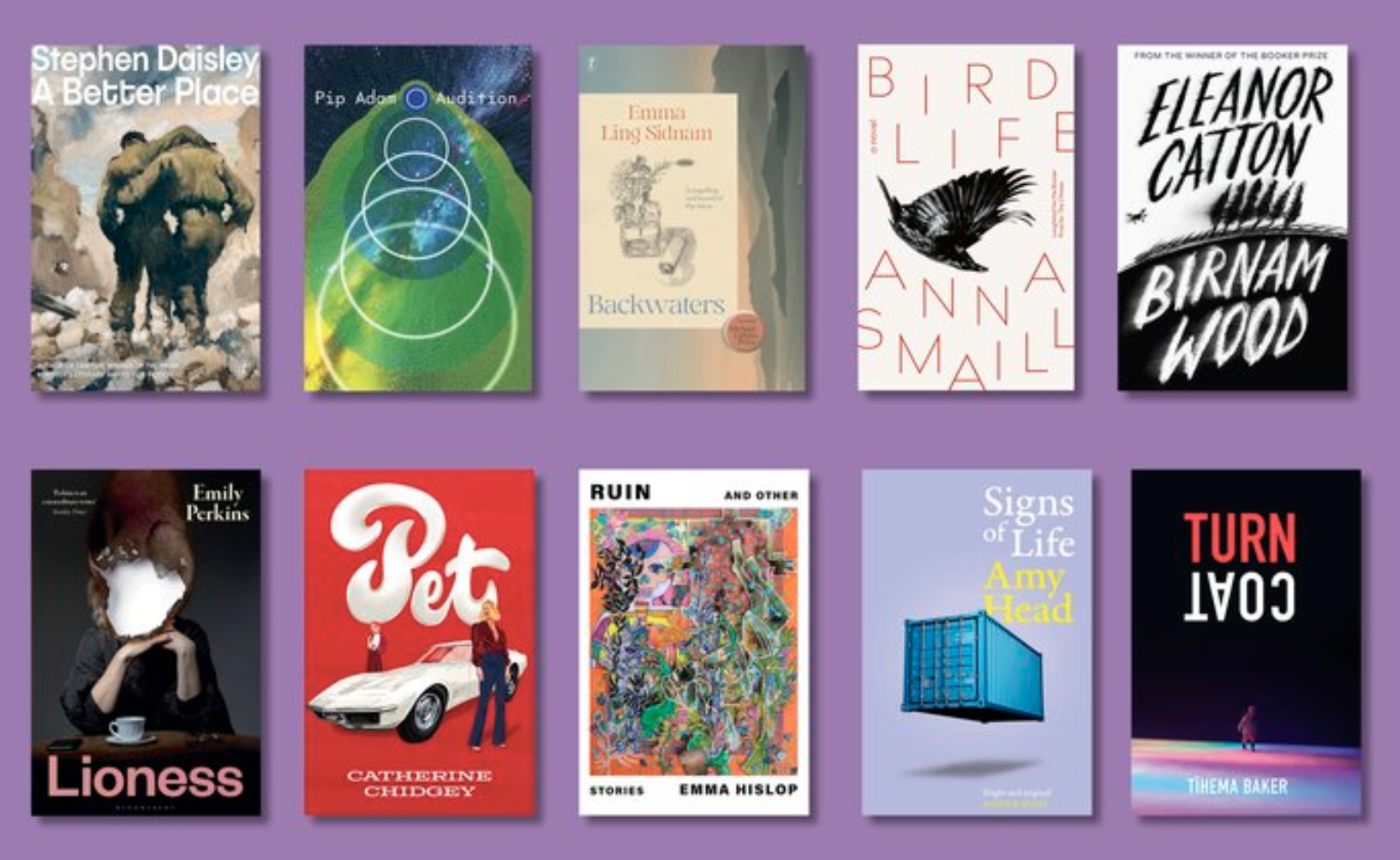
The notable feature of this year’s longlist was the number of big name authors who have won literary awards in the past and featured on all sorts of national and international prize lists. Previous winners of this award Stephen Daisley, Pip Adam, Eleanor Catton, Emily Perkins and Catherine Chidgey all graced the list, along with Anna Smaill who has been longlisted for the Booker Prize in the past. They are joined by four up and comers: Emma Hislop, Tihema Baker, Amy Head and Emma Ling-Sidham.
The shortlist ended up with four of the previous winners taking centre stage. These talented authors have produced a snapshot of New Zealand with their shortlisted works the produced probably the strongest shortlist the Prize has seen for a long time.
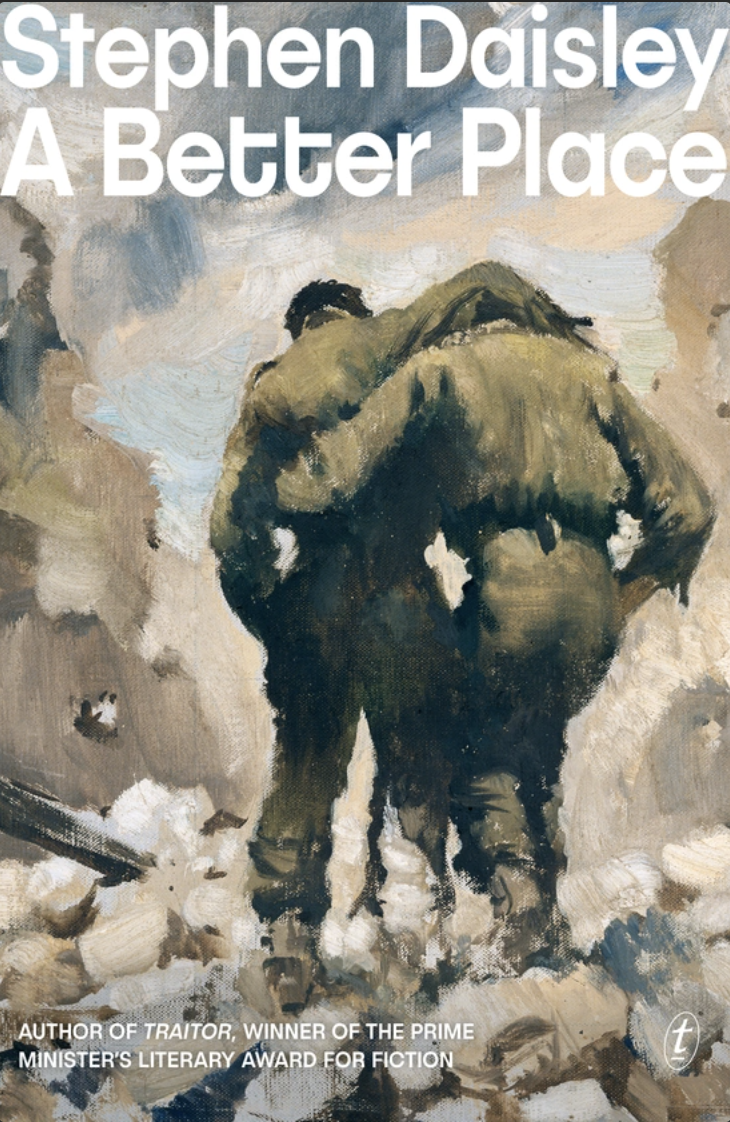
A Better Place by Stephen Daisley tells of twin brothers fighting in Crete during World War II. It looks at the horrors our young men were subjected to and how love, camaraderie and bravery were paramount to any kind of survival. It is unapologetically brutal.
Birnam Wood by Eleanor Catton takes inspiration from Macbeth in the story of a clash between a guerilla gardening group and a US billionaire, both using NZ land illegally. This eco-political thriller is set in 2016 and there are many references to events, people, political decision making and conversations in the public arena of the time.
Lioness by Emily Perkins is the story of a woman in her 50s who must adapt and transform after her husband is accused of corruption. Set in Wellington prior to Covid it raises questions about male-dominated capitalist circles and how women are affected by their eat or be eaten mentality.
Audition by Pip Adam is a sci-fi, social fiction and experimental fiction blend, examining the state of New Zealand’s justice and prison systems with three prisoners set off in a space ship as part of their sentences. As they settle in a new land the author examines what it takes to be a good coloniser.
..the real choices that you make in your life, the really difficult, defining choices are never between what’s right and what’s easy. They’re between what’s wrong and what’s hard. – Birnam Wood.
● Rachel: I can only imagine how hard it was to pick a shortlist this year with so much talent in the longlist. I have read seven of the books and was disappointed that Pet and Bird Life did not make it. In any other year I think Backwaters would have been a contender – I’m hoping Ling-Sidham takes the debut novel award.
My pick for the winner is Lioness. It has excellent characters, an addictive story line and raises many societal questions for the reader to ponder. Especially about how women are viewed by both men and women in society. The concept of privilege, and the idea of being in a pack, to be embraced one day and discarded the next, is strong. Perkins has adeptly woven so many techniques into the structure of the book and I admire her ability to entertain, question and take moral responsibility for what she is producing.
Pip Adam and Eleanor Catton have taken this social responsibility line too, but I feel Audition is too experimental for its point to be properly understood by the everyday reader (this includes myself) though her ability to write outside what is usual and expected could secure her the win. Catton made me feel like I was being lectured to (albeit in a page-turning, entertaining way). For me, I appreciate a writer raising serious topics but I want the freedom to consider and form my own opinions, not be preached at. A Better Place is a hard book to read due to its unrelenting war content but I did enjoy it and think it’s a strong contender for the win due to its historical context. It has recorded an important time in New Zealand history and done so in an artful, poetic way.
My order of who I think should win changes everyday because it’s such a strong list but today it is this: it includes all seven of the books I have read because I think some of those who missed out were hard done by. Lioness — Bird Life — A Better Place — Pet — Birnam Wood — Audition — Backwaters.
● Suzy: I’m still a bit miffed that Bird Life by Anna Smail wasn’t shortlisted, but in saying that I’m unsure which of these four shortlisters doesn’t deserve to be here as they are all pretty spectacular.
Overall I thought Lioness was the standout – the prickly energy of this novel still resonates with me. Following that I liked Birnam Wood, Audition and then A Better Place. A Better Place doesn’t deserve to be fourth, I just found it to be so utterly relentless to the point of often being unbearable – surely a sign that the author is completely on point.
A Better Place – Stephen Daisley
READ FOR NZ BOOK AWARDS
Two Kiwi brothers head off to WWII but only one comes home. A graphic, realistic portrayal of war that pulls no punches but also a tender story of grief and love amongst the brutality of conflict.
He saw the beating of his heart in the ragged flesh and knew he had to close off the main arteries. He bent forward, tore up handfuls of dirt and grass and pressed them into the mess where his foot had been. The welter of blood between his fingers slowed. He could feel the pulpiness of the flesh, the sharpness of the bones.
● Just when you think you’ve heard all the war stories, along comes Stephen Daisley and his historical contribution to New Zealand fiction. A Better Place is graphic and relentless and almost too much, but that’s what war was. Once I realised the horror wasn’t just a shocking opener to lure in the reader but rather the majority of the book, I gritted my teeth and settled in. There is stuff in here I hadn’t heard of before and couldn’t have imagined, and moments were absolutely heart-breaking. But there are also tender moments of brotherly love and camaraderie and bravery. And it’s all written in stunning prose that makes the book a real work of art. – Rachel
● My feelings are very mixed in regards to A Better Place. I have no doubt that this novel is an important addition to historical Aotearoa fiction and has created voices and stories for a group of men who would perhaps otherwise be voiceless. However, the grim reality of war followed by repressed 1940s New Zealand made for unpleasant reading. If you are after a slap around the face coupled with some brutal learning about life for New Zealand soldiers both during and after the war, A Better Place will certainly meet the brief. – Suzy
Published 2023
Text Publishing
224 pages

We're
currently
reading
 The Free-Range Bookclub
Recent Comments