The Free-Range Bookclub
Bookclubbers without boundaries in Nelson, New Zealand
The Empusium – Olga Tokarczuk

READ FOR BOOKCLUB
Chosen by Jodie
Mieczysław, a student suffering from tuberculosis, arrives at the Wilhelm Opitz’s Guesthouse for Gentlemen but discovers there are many mysterious goings on, involving deaths, misogyny and the occult. Set in a Polish sanatorium in 1913, The Empusium blends horror, comedy, folklore, and feminist parable.
“Do you know what is the most common mistake people make when they’re in danger? Each one thinks their life is unique, and that death doesn’t affect them. No one believes in their own death. Do you think I believe in my own death?”
● The Empusium combines a haunting, atmospheric setting with a slow burn narrative, and I was under constant tension that something ominous was about to happen. Tokarczuk hates to define her novels into one genre but included the horror element to portray the topic of hidden violence and misogyny that is rife in our culture. Her use of misogynistic views from famous thinkers was a clever way to represent this. I found it the whole book mesmerising and unsettling and really enjoyed it. I recommend it. – Jodie
● The Empusium is a brilliant book. It expertly mixes several genres so I could never predict what was going to happen next. There is an air of seductive tension that left me enraged, confused, shocked and on the edge of my seat. I was in disbelief to learn all the misogynistic comments in the book are real quotes from some of the most revered men in history. I am so pleased Tokarczuk called them out and brought to light how these have affected and are still affecting women today. Also, I loved the ending. Tokarczuk is a master! – Rachel
Published in Polish 2022
Translated into English by Antonia Lloyd Jones 2024
Riverhead Books
320 pages
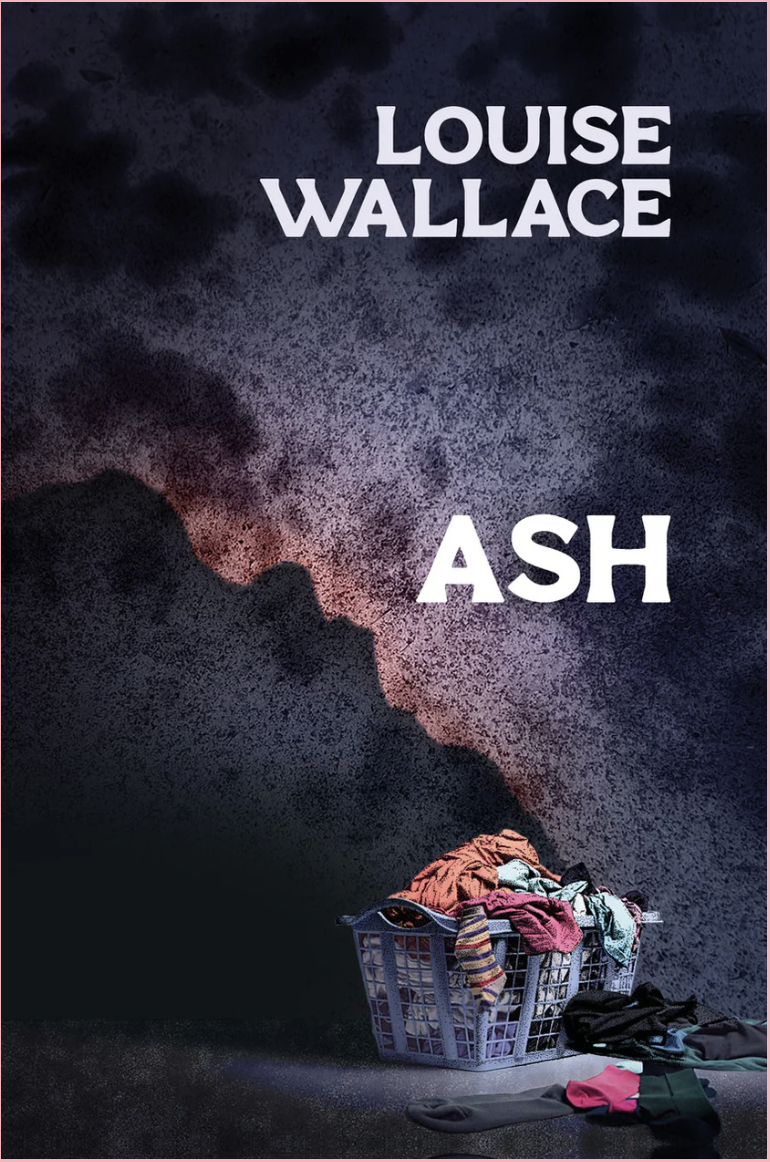
Ash – Louise Wallace
READ FOR NZ BOOK AWARDS
Thea is a veterinarian on maternity leave, called back in just before disaster strikes. Ash has a focus on motherhood, misogyny, female expression, rage and Mother Nature. This novella is presented creatively with prose, poetry, footnotes and unique typesetting.
Work is a holiday and I smile into the beautiful quiet.
● Ash is a small book but delivers a real literary punch. I read this in one sitting and was so wowed I went right back and read it again. There are no wasted words and its amazing how in so few words Wallace can build such full characters and storylines.
The narrative is reinforced in several ways, in footnotes which contain another version of the story, creative/arty presentation of key information and metaphorically with Mother Earth mimicking Thea’s rage. Usually I dislike this kind of presentation but it really worked here, especially to reinforce the misogyny that working mothers face.
The book has a kind of rural noir feel, where the small mindedness and remoteness of country life can swallow you up. Animals as well as people are given attention and all receive plenty of mothering and care in these pages. – Rachel
Published 2024
Te Herenga Waka University Press
160 pages
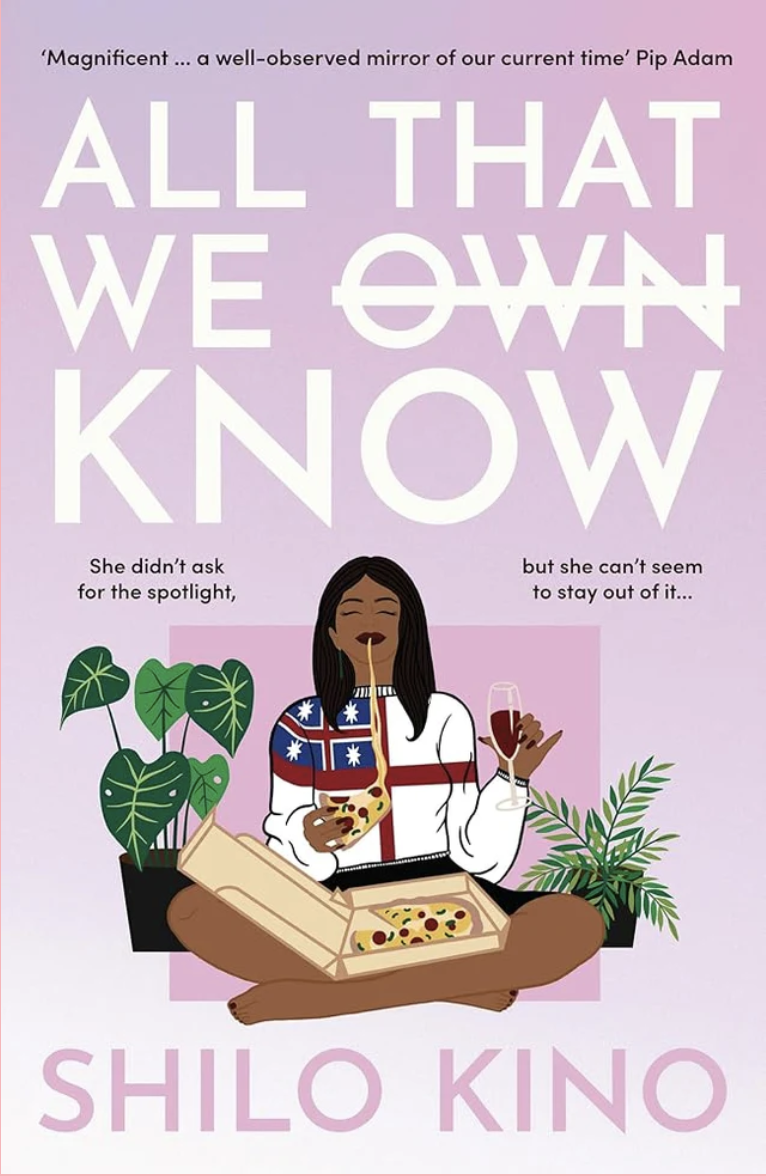
All That We Know – Shilo Kino
READ FOR NZ BOOK AWARDS
Māreikura is analysing her identity and begins a programme of “decolonisation”. Via her outspoken and inquisitive nature she leads us through a witty, poignant and accidental exploration of the effects of colonisation, which, the book explains, was not a one time event, but continues today.
I don’t want to be a pioneer. I want to be the last; to enjoy the fruits of everyone else’s hard labour.
● By making Māreikura an accidental activist, Kino (Ngāpuhi, Ngāti Maniapoto) details the pressure placed on the younger generation to rectify the wrongs of the past, and at what cost that will be. She raises and examines many ideas and melds them seamlessly into a strong plot featuring this main character who critiques others and who is critiqued herself so that we, the readers, are able to explore the full gambit of pros and cons on how to reclaim what has been lost to colonisation.
While it sounds serious, the book is also fun and funny. Māreikura is a full character with story threads dedicated to her loves, her friends and her family. I read it in two sittings, and once finished, the book left me thinking about things I thought I had already formed my opinions on. This was one of my top reads in 2024. – Rachel
Published 2024
Moa Press
333 pages
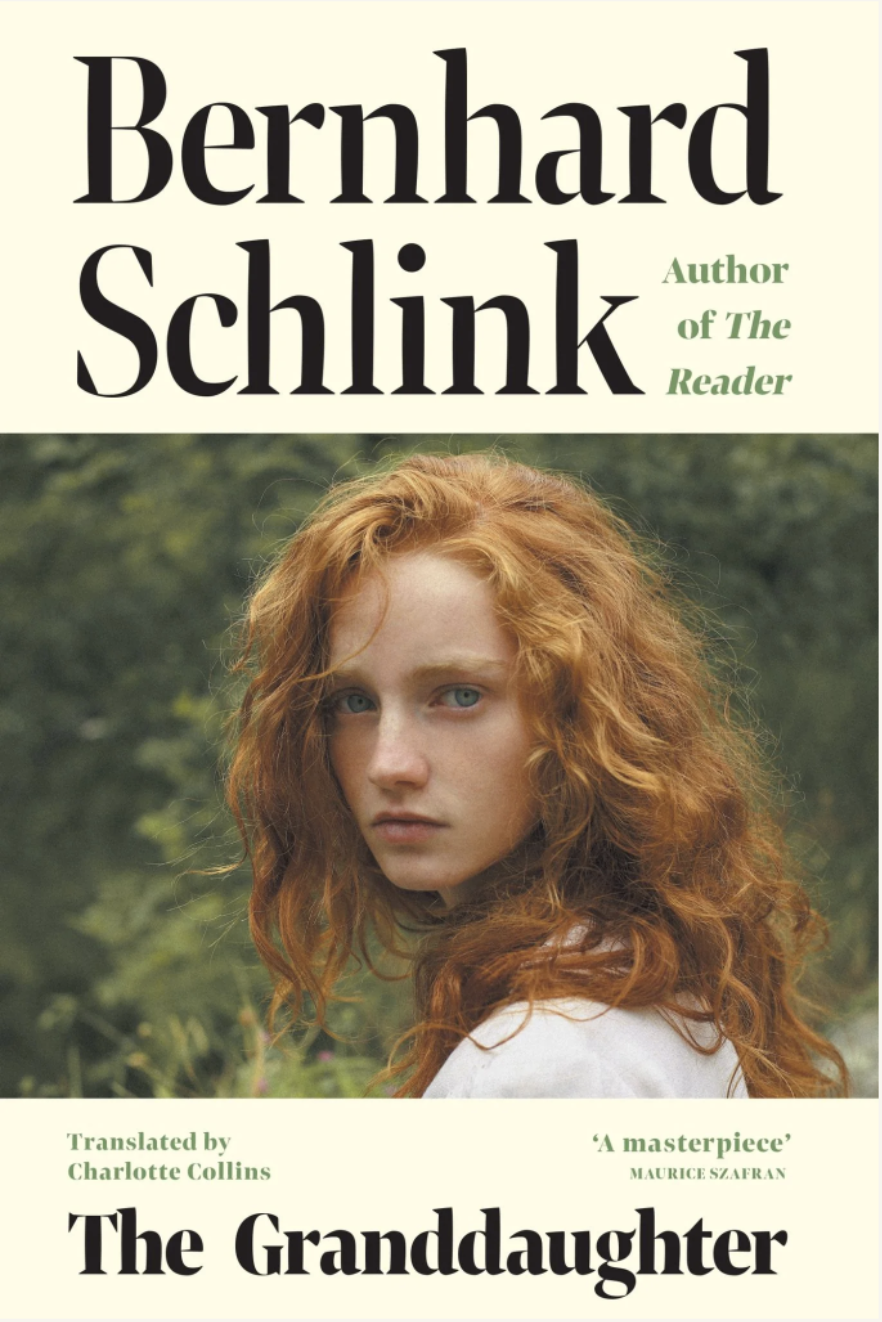
The Granddaughter – Bernhard Schlink
READ FOR BOOKCLUB
Chosen by Rachel
A study of Germany’s reunification via a collection of people who all represent a different faction or ideology. Kaspar is a West German bookseller whose wife dies. He discovers and tracks down newly discovered family members and attempts to educate them away from their ingrained neo-Nazi beliefs.
I’m not proud of Germany. Why should I be proud of something that isn’t my doing? But I can’t imagine being anything other than German. Is that enough?
● Historical fiction is a favourite genre of mine so I thoroughly enjoyed The Granddaughter.
One of the most compelling aspects for me was the East vs West German perspective and how contrasting their worldviews and daily life were. I felt I learned a lot about Germany and the deeply ingrained beliefs that many held. I was especially shocked to learn that some East Germans genuinely believed the Holocaust didn’t happen, and the conversations and relationships built around that ideology brought the book to life for me.
I found the first half of the novel especially engaging. The early sections, which establish Kaspar’s motivations and the post-reunification setting, introduce lots of plot points which piqued my interest. Kaspar’s attempt to educate his granddaughter was considerately done. He could have been a lot more forceful in trying to make her see sense of her neo-Nazi views but chose the more restrained path and I appreciated that this made for a more pleasant reading experience. As the novel progressed, I felt that the momentum slowed somewhat, and the latter half did not hold my interest as strongly.
Overall I thought The Granddaughter was an insightful and compelling read and I would recommend it. – Jodie
The guilt I felt from growing up in the shadow of death prevented me from rebelling; would it have prevented me from being ambitious, as well?
● I am fascinated with books set in Germany when the Berlin Wall was in place. I remember when the Wall came down and find it staggering that we are still learning different aspects of what both East and West Berliners went through. The Granddaughter introduced another aspect I hadn’t fully realised before, and that is how difficult reunification was. East Germans had been sheltered from the world for so long they often felt looked down upon, and some could not comprehend, or outright denied, the reality of Hitler’s atrocities. Schlink captures this dynamic perfectly.
While Kaspar, the protagonist, is the moral compass for all the characters who were in denial, and did have all the right arguments, I did find his desire to save everyone a little suffocating. Perhaps this is how those stepping out of East Berlin felt about their well-meaning Western counterparts.
There are several sub plots that detail the journeys different people chose to take or were forced to take as they navigated trying times and survival under Communist rule, and all of these are fascinating. Every character felt like a real person and I was invested in their journeys. At first I wasn’t sure about the ending, but after talking it through with Jodie, I came to appreciate Schlink’s narrative style—where the big twists are revealed early on and then slowly unravelled over the rest of the book. – Rachel
Published in Germany 2021
Translated into English by Charlotte Collins 2025
HarperVia
336 pages
2025: World Tour

Choosing our reading list each year is a reminder of how many amazing books are out there waiting to be discovered. There are stories profound and life changing, and sometimes it’s pure luck if what we choose ends up being the one that takes our breath away or if we accidentally overlook something special.
To help with our decision making and have a focus point for 2025, we’ve decided to take a literary world tour — figuratively, at least! Our goal is to read books from as many different countries as we can, diving into their diverse cultures, histories, complexities and joys. We want to explore what makes different societies unique, and how this shapes their resulting literature.
We are going to adopt this migratory strategy in our approach to bookclub scheduling, too. What works for book club members can change from month to month. Sometimes it’s tricky to find a date that works for everyone, and other times we’re bursting with books we want to discuss. So, we’re widening our net a bit, aiming to tackle more books but adding flexibility to our schedule. This way, we can adjust our expectations and capacity to keep book club fun and stress-free.
We’ll remain the free-range book club we’ve always been. Members can dip in and out as they please, and they’ll always find a home with us thanks to our shared love of literature. That said, we’ll be saying goodbye to one of our longest-standing members, Jo, this year. She’s been with us for an incredible 17 years, and we’re grateful for all the books she’s introduced us to and her insightful observations of them. We will welcome new members into the fold in 2025, our 19th year! We’re looking forward to meeting more people who adore reading, and chatting about and reviewing what they’ve read.
[May update] In keeping with our go-with-the-flow vibe, it has taken as a while to plan out the whole year’s reading, but finally here it is. Plus we’ve attracted some new bookies and we welcome Sally, Bridget and Tessa into the freerange family.
Bookclub schedule 2025:
– The Granddaughter by Bernhard Schlink, Translated by Charlotte Collins (Germany)
– The Empusium by Olga Tokarczuk, Translated by Antonia Lloyd-Jones (Poland)
– Her Side Of The Story by Alba De Cespedes, Translated by Jill Foulston (Italy)
– Wild Dark Shore by Charlotte McConaghy (Australia, Antarctic)
– Before The Queen Falls Asleep by Huzama Habayeb, Translated by Heikkinen (Palestine)
– The Book of Guilt by Catherine Chidgey (New Zealand, UK)
– Endling by Maria Reva (Ukraine)
– Hum by Helen Phillips (US)
– Prophet Song by Paul Lynch (Ireland)
– The Militia House by John Milas (US, Afghanistan)
– As Rich As The King by Abigail Assor (Morocco)
2024: End Of Year Thoughts
Realism, or, rather, our perception of it, is a gauge of how we make sense of the world. From debating whether social media posts are genuine and questioning controversial theories and figures, to judging the sincerity of public and private statements, society is increasingly drawn to the comfort of what feels real and what we can trust amongst the constructed realities of our lives.
Our reading in 2024 mirrored this. Perhaps it’s the growing maturity of our book club (18 years this year!) or the sheer volume of books we’ve worked through over the years that prompted us to dig a little deeper.
In 2024 we tackled books that took on deeply real and affecting topics: grief (Bird Life), justice (Chain-Gang All-Stars), misogyny (Kim Jiyoung, Born 1982), bullying (Bunny), menopause (All Fours), racism (Passing), and even the loss of the will to live (Martyr!), plus several books which explored humanity, societal expectations and family dynamics. Despite the weight of these subjects, the authors found ways to infuse humour, satire, the supernatural, and history to transform heavy themes into compelling reads without reducing their reliability as reflections of society.
We saw this urgency for realism even beyond our booklist. Authors retelling real life past and current events, climate fiction gaining a dedicated prize, celebrity bookclubs highlighting important texts, cross-medium writers, and whispers of plagiarism – the scope of the written word feels more abuzz than ever.
When I go back to the places of the past, nothing is there anymore, as if I have made the whole thing up. It is as if life were just a dream placed in the window to cool, like a pie, then stolen. [I Am Homeless If This Is Not My Home by Lorrie Moore]
At our end-of-year book club, we found we agreed in many of our standout moments. Best character? Marcellus, the charismatic octopus from Remarkably Bright Creatures. Most memorable locations? Rural Poland in Drive Your Plow Over the Bones of the Dead and the motel room in All Fours. Plus, we couldn’t stop talking about Miranda July – her author bio is as fascinating as her work. Best ending? Definitely Passing. Worst book? Sorry Lorrie Moore, you got that gong for I Am Homeless If This Is Not My Home.
We didn’t agree on every topic, and here are some of our other ratings to prove it, including the coveted Book Of The Year.
Least Liked Character
Rachel: Lily from I Am Homeless If This Is Not My Home
Suzy: All the men in Kim Jiyoung, Born 1982
Jo: Shakespeare in Hamnet
Jodie: The stepmother in Whale Bone Theatre
Best Couple
Rachel: Davy and unnamed main character in All Fours
Suzy: Loretta & Staxx in Chain-Gang All-Stars
Jo: Loretta & Staxx in Chain-Gang All-Stars
Jodie: Marcellus and Tova in Remarkably Bright Creatures
Most Enjoyable Moment (Spoiler Alert!!)
Rachel: Orkideh and Cyrus’ last chat in Martyr!
Suzy: Marcellus and Tova communicating in Remarkably Bright Creatures
Jo: Discovering who the murderer was in Drive Your Plow Over The Bones Of The Dead
Jodie: Tova releasing the octopus in Remarkably Bright Creatures
Runner Up Best Book
Rachel: All Fours
Suzy: Bunny
Jo: Bunny
Jodie: All Fours
Book Of The Year
Rachel: Martyr!
Suzy: All Fours
Jo: Drive Your Plow Over The Bones Of The Dead
Jodie: Bunny
It’s hard to be knocked down when you’re on all fours. [All Fours by Miranda July]
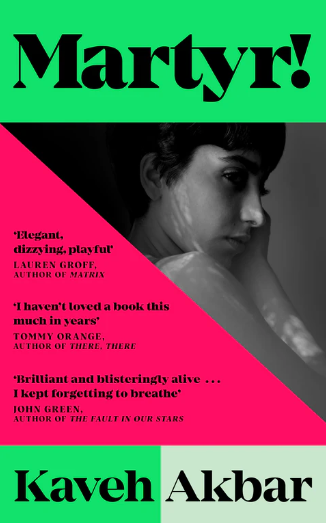
Martyr! – Kaveh Akbar
READ FOR BOOKCLUB
Chosen by Rachel
Cryus Shams is an Iranian immigrant and a recently sober poet grappling with addiction, cultural disconnection and the loss of his mother, whose plane was shot down by the US navy. In his exploration of what it means to live well and die well, Cyrus becomes friends with a dying artist at the Brooklyn Museum. Martyr! is an exploration of identity, grief, inherited trauma, art and martyrdom.
It’s easy for people who have sacrificed nothing to rationalize their own ordinariness by calling me lucky. But I sacrificed my entire life; I sold it to the abyss. And the abyss gave me art.
● Martyr! is a book that extensively examines death, but I did not find it sad. Rather I found the treatment of death as a lens to examine life and existence. Martyrdom was not conveyed as a religious or immoral aspiration but as something meaningful that encapsulated and concluded the goodness of life. Shouldn’t our death mean something, just as we hope our life has purpose? It is a profound book where every sentence is raw and poetic. I felt stunned by the book’s beauty and hope Akbar writes many more works of art in the future. – Rachel
● I read this novel over a hectic two-week period and as a result found it hard to give my full focus which left me feeling a little removed. During bookclub discussions I came to truly appreciate and understand that Akbar redefined martyrdom as a struggle not for religious or political glory, but for personal meaning amid a life of addiction, grief, and cultural displacement. This gave it more meaning for me that I originally garnered. – Jodie
● Martyr! brought the reader along on the journey, from Iraninan army recruitment to the Brooklyn Museum. While there were aspects of the plot, particularly the parent-child relationship, that felt somewhat implausible, overall I enjoyed experiencing the world through Cyrus’s eyes. – Suzy
Published in 2024
Knopf
352 pages
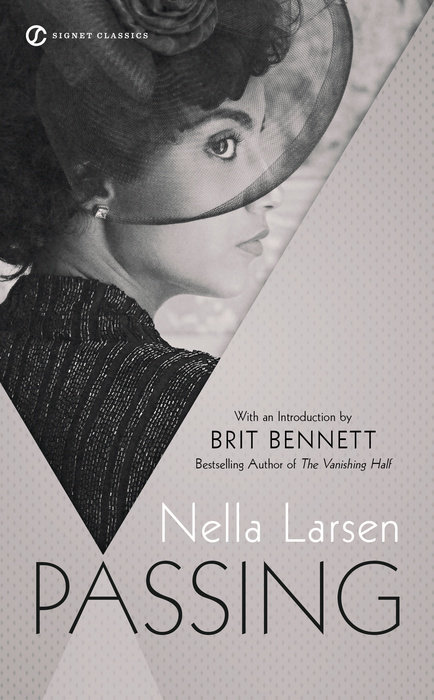
Passing – Nella Larsen
READ FOR BOOKCLUB
Chosen by Jodie
Irene Redfield is a black woman living an affluent lifestyle in Harlem. She runs into Clare, an old friend who is “passing” as white and married to a racist. Clare struggles with the disconnection from her community and culture, and Irene struggles with keeping the dangerous secret. This novel was first published in 1929.
It’s funny about ‘passing.’ We disapprove of it and at the same time condone it. It excites our contempt and yet we rather admire it. We shy away from it with an odd kind of revulsion, but we protect it.
● The title “Passing” refers to the practice of passing as a different race, a topic I knew little about. I was fascinated with the concept and incredibly sad that some African Americans of mixed race felt the necessity to pass as white to avoid persecution. Larsen wrote a short novel that was very well done in getting to the core of what she was trying to achieve without the need to overwrite scenes and characters. I was very connected to the story and thoroughly enjoyed it. The ending was brilliantly done! – Jodie
● What a lovely surprise of a novel! I didn’t realise passing was so prevalent in the 1920s and hadn’t realised the true extent of the consequences of it, not only for the person passing but for their friends and family who are in harm’s way keeping the secret. This book details all that with a focused narrative of friendship and rivalry among the socialites, well formed characters and a wonderfully shocking ending. It made me realise how identity and belonging are long-standing struggles. Over time, and still today, people have been moulding their outward appearance and persona in order to fit in or stand out. For a book published 100 years ago there is still so much relevance to today amongst its 116 pages. – Rachel
● A lot of the characters’ deceptions in this novel were sadly necessary to ensure the ability to exist in a deeply racist and bigoted society, however there is certainly deception for more nefarious means as the novel unfolds. Despite being written nearly 100 years ago, many of the themes are still relevant. This is a highly readable and brilliant book. – Suzy
● I was aware of black people passing as white but hadn’t read a lot about it. Passing educated me on the topic and allowed deeper thinking into the intricacies associated with pretending to be someone you’re not in a dangerously prejudiced time. Nella Larson masterfully conveyed complex emotional interactions, especially within our protagonist, and scenes that were easily imagined. The twist at the end was swiftly shocking and satisfying. – Jo
Published 1929
Knopf
141 pages
Bookerthon – 2024
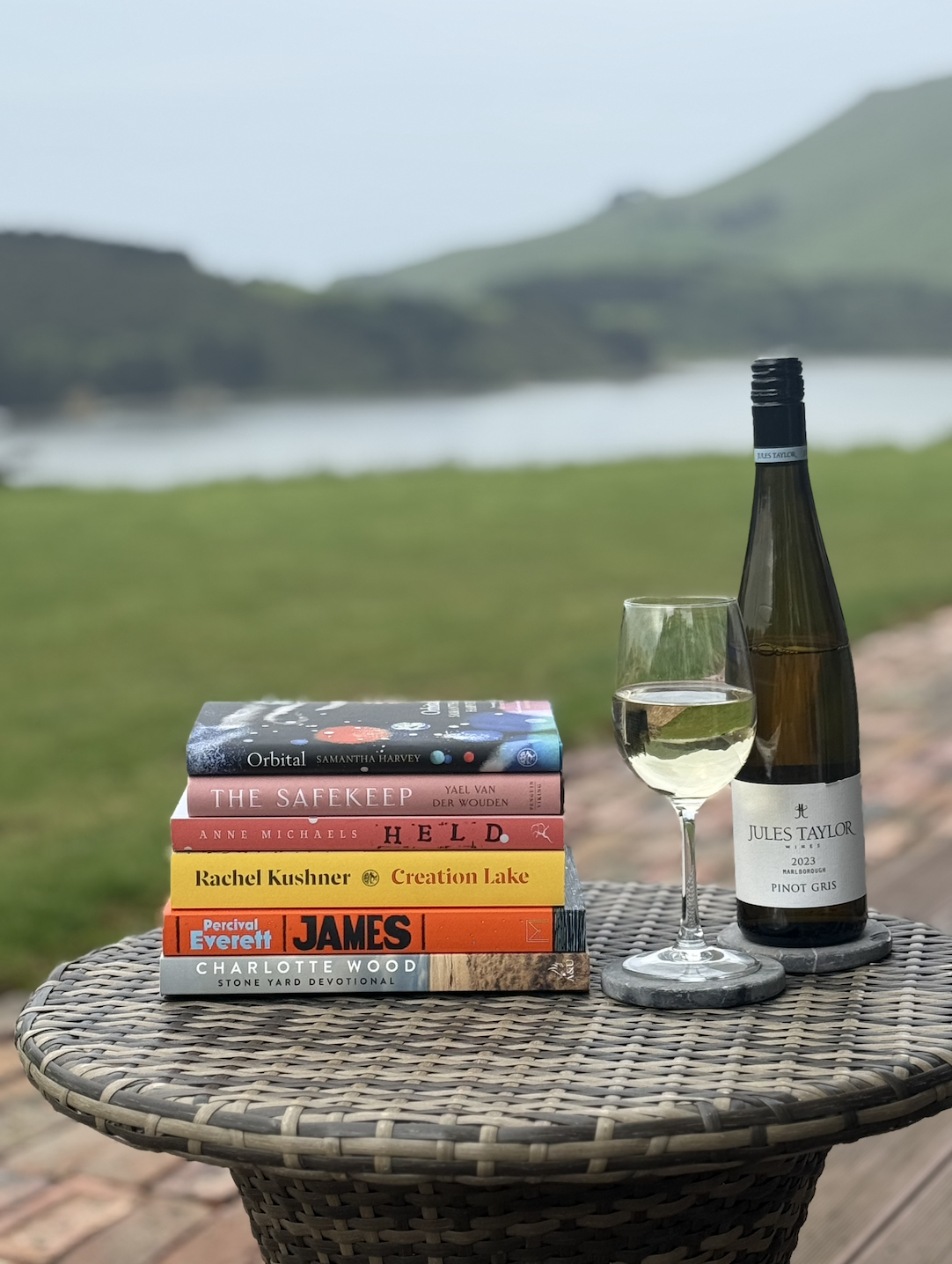
Do you ever feel crestfallen? Do you wonder what is the point? [Orbital]
The above quote bears relevance to all the books on the Booker Prize shortlist for 2024. Existence, creation, humanity, the past and the future seem to be the hot topics this year. Perhaps so much has occurred in recent years that writers and people in general can’t help but reflect on why we are here, how we are here and what the future hold for us.
I used to think there was a ‘before’ and ‘after’ most things that happen to a person; that a fence of time and space could separate even quite catastrophic experience from the ordinary whole of life. But now I know that with a great devastation of some kind, there is no before or after. Even when the commotion of crisis has settled, it’s still there, like that dam water, insisting, seeping, across the past and the future. [Stone Yard Devotional]
Suzy and Rachel pondered these very questions while relaxing on the serene Otago Peninsula, with a sealion named Sophie at the gate and gorgeous views to enhance our sense of place.
We agreed this is a shortlist of other-worldly, mesmerising narratives, whether from people in space, neanderthals, ghosts, spies, slaves, repressed women or atheists in a convent, we are given so many angles from which to examine borderless humanity. The planet and its current state of brittleness is often referred to and this connection with our environment aids the main characters as they question existence and creation. What can we learn from the past? What have we done? Where will we end up as a result of our decision making? What awaits us in the afterlife? After the sun implodes? After we acknowledge our mistakes? What if those mistakes hadn’t happen and we could reimagine the past?
A psychoanalyst looks for clues of repression, of what a patient has hidden from others and more, importantly, hidden from himself. The deepest repression of all is the story of those who came first, before we did, long before the written-down. We must unpack what these earlier lives might mean for us, and for our future. [Creation Lake]
It’s a collection that touches on many philosophical ideologies: the spiritual, scientific, supernatural and existential, but without ever delving so deep to end up in the realm of unattainability. It feels like a shortlist about the need to belong, at a time when people feel lost; it’s a super aware collection of stories that made us contemplative about identity, about how one can mould, distort or discard their outward appearance on a whim.
Love confirms who a person is, and that they are worth loving. Politics do not confirm who a person is. [Creation Lake]
The traditional linear narrative construct is challenged in 2024. Alongside the more traditional novel presentations we are also rewarded with poetic fragments, ethereal space odysseys, responses to classic literature, expressions of repression and erotica, biblical interruptions and cave dwelling scriptures. This shortlist forces you to forgo what you know of the traditional novelistic structure, to trust the author in their narrative experimentation and surrender to a new version of storytelling.
He did not believe that the mystery at the heart of things was amorphous or vague or a discrepancy, but a place in us for something absolutely precise. He did not believe in filling that space with religion or science, but in leaving it intact; like silence, or speechlessness, or duration. [Held]
● My initial favourite was James by Percival Everett. What a genius for creating a companion piece to an original work of literature. He does not condemn or criticise but reclaims a lost voice. It’s an important piece of work that was a propelling read from start to finish.
But then I read Creation Lake and was swept away by the beguiling Sadie Smith. Her brazenness to take over the story, and her unique, refreshing take on a female lead had me star struck. Despite her villainous intentions, I loved her personal journey. I wanted her to be the best spy and infiltrator she could be. Her and Kushner’s profound observations of life past and present impressed me deeply and pushed the book to the top of favourites list.
Though to be honest, I would be happy if either this, James, Stone Yard Devotional, Orbital or Held won. I loved and appreciated them all. The Safekeep was the exception for me. I felt it had deficiencies and My Friends by Hisham Matar would have been more deserving of its place on the shortlist. – Rachel
There are moments, moments like this, when an abstract longing overcomes me, one made all the more violent by its lack of fixed purpose. The trick time plays is to lull us into the belief that everything lasts forever, and, although nothing does, we continue inside that dream. And, as in a dream, the shape of my days bear no relation to what I had, somehow and without knowing it, allowed myself to expect. [My Friends]
● It’s been an interesting mix of books this year, from the adrenaline-filled intensity of James to the quiet pacing of Stone Yard Devotional. I was quite challenged by the unconventionally written Orbital and Held, but was also wowed by the undeniable genius of these writers.
Overall my pick for the win is James. Percival Everett has written a book that is unputdownable, unforgettable, and deeply moving. – Suzy
There is no God, child. There’s religion but there’s no God of theirs. Their religion tells that we will get our reward in the end. However, it apparently doesn’t say anything about their punishment. But when we’re around them, we believe in God. Oh, Lawdy Lawd, we’s be believin’. Religion is just a controlling tool they employ and adhere to when convenient. [James]
Suzy’s rankings
James
Creation Lake
Stone Yard Devotional
The Safekeep
Held
Orbital
Rachel’s rankings:
Creation Lake
James
Stone Yard Devotional
Orbital
Held
The Safekeep
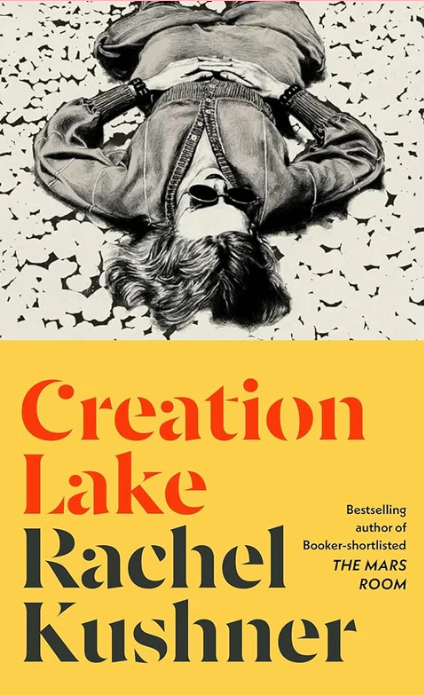
Creation Lake – Rachel Kushner
READ FOR BOOKERTHON
A 34 year old secret agent using the alias Sadie Smith infiltrates an activist collective in Southern France. Past, present and the future are examined in this region of centuries-old farms and ancient caves as Sadie becomes entranced by the preachings of the collective’s leader, Bruno Lacombe, who believes the path to a secure future is a return to the ancient past.
But why would you want to survive mass death? What would be the purpose of life, if life were reduced to a handful of armed pessimists hoarding canned foods and fearing each other? In a bunker, you cannot hear the human community in the earth, the deep cistern of voices, the lake of our creation.
● Sadie Smith is my favourite character of the Booker shortlist. She is focused and resolute, sarcastic and wry. She is neither pitiful nor super heroic as female leads often are, but instead a beguiler who has taken over from Rachel Kushner in the telling of the story and in the creation of herself. She offers a reliable outlook because she’s so blatant and bold in the telling of herself. I felt swept away in her life and her persona.
As Sadie infiltrates the activist group in Southern France, she reads the leader’s manifest emails which challenge his followers to examine the past as a way to find resolution for the future. His voice and hers challenge the reader in equal measure but in different ways and fit together like puzzle pieces. He examines astrology, philosophy, ideologies, capitalism, technology and history; he is a God-like figure spouting belief from beyond visibility. Her astute observations of humanity and behaviour are resultantly affected, and as D-Day approaches for intervention at the collective, she begins to re-examine her own identity and creation.
I love to analyse characters and Sadie is so layered, I felt like I could ponder her all day. Bruno’s observations are equally fascinating. Plus I loved the slow burn of a plot and the appropriate ending to this book. Rachel Kusher is a talented writer of nuance and has kept me thinking aplenty since I read the last page. – Rachel
● While I don’t agree with the Observer comment that this is some kind of a Kill Bill/John le Carre hybrid, I do agree that it’s smart, funny and compulsively readable.
I’ll always prefer a book that places me smack-bang into the action, rather than holding me at arm’s length, and I thoroughly enjoyed feeling somehow enmeshed in the life of this undercover American spy in France. The gradual building of tension was as enjoyable as the climactic scene, which is not always the case in books with a similar structure. Another great read from Rachel Kushner. – Suzy
Published 2024
Scribner
416 pages

We're
currently
reading
 The Free-Range Bookclub
Recent Comments